World Cup 2026: New Format, 48 Teams, 3 Nations
The FIFA World Cup 2026 will feature an NFL-style halftime show, expanded team participation, and a multi-nation hosting format.
Mehmet Şahinoğlu ·
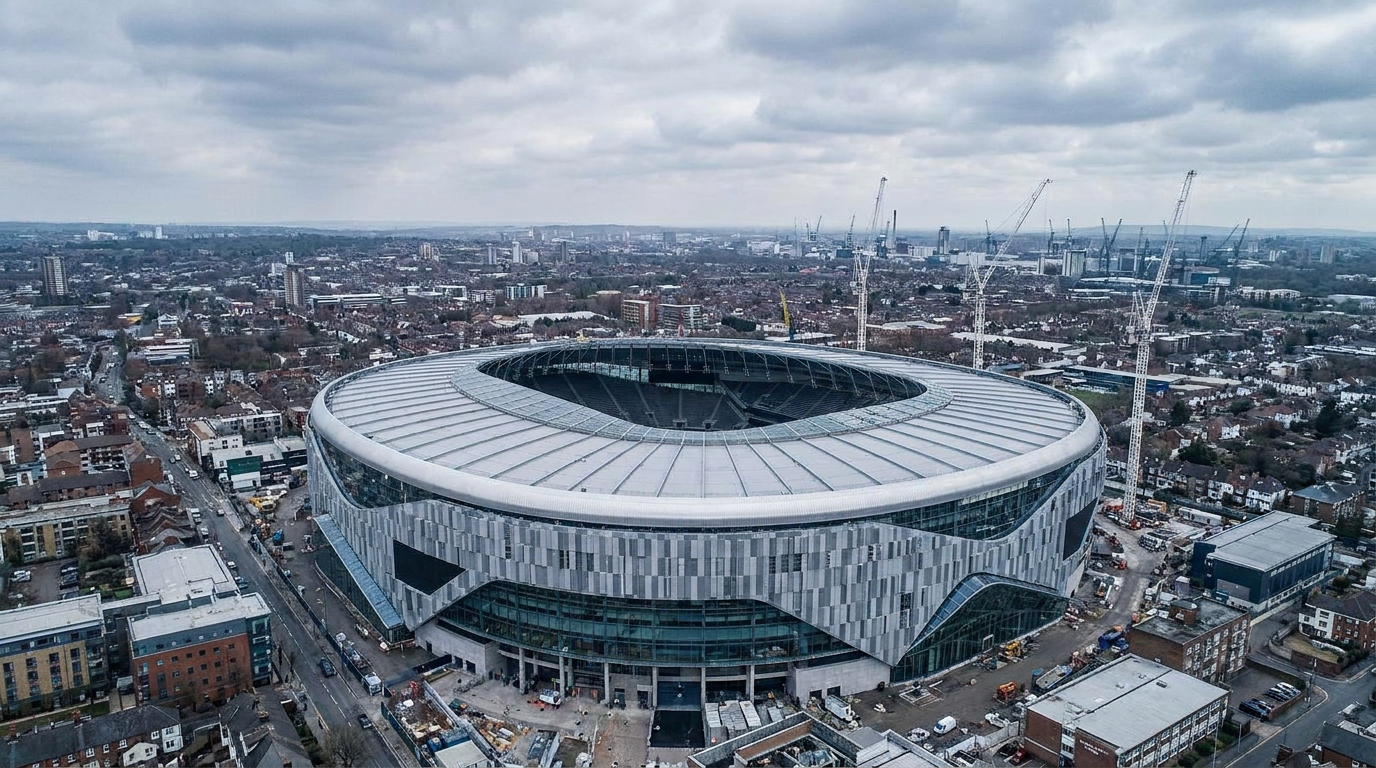
The FIFA World Cup 2026, set to begin in under a week, will introduce several significant changes, including an NFL-style halftime show for the final, an expanded number of participating teams, and a multi-nation hosting arrangement. This edition will be the longest and largest in the tournament's 96-year history, featuring 48 teams and a total of 104 matches played over 39 days.
Expanded Format and Hosting
For the first time, the tournament will be jointly hosted by three countries: the United States, Mexico, and Canada. Matches will take place in 16 stadiums across 16 different cities. The expanded format will also include an additional knockout round, with teams advancing to a round of 32. Consequently, the winning team will play eight games, which is one more than in previous tournaments that featured 32 teams.
New Entertainment Features
The final match will incorporate an 11-minute halftime show, styled after the NFL, with performances by artists such as BTS, Madonna, and Shakira. This segment will be curated by Chris Martin. Additionally, a new pre-game ceremony is planned, where all players in the matchday squad will line up around the center circle before the national anthems. This ceremony will feature extra-large country flag banners and a dedicated arch for player entrances.
Potential Impacts and Challenges
The expanded FIFA World Cup 2026, with its multi-nation hosting and increased team participation, is expected to establish new benchmarks for global sporting events. However, it also presents substantial logistical and security challenges. The unprecedented scale could strain infrastructure and coordination efforts among the three host nations, potentially affecting fan experience and operational efficiency, despite the anticipated economic benefits from tourism and media rights. This format may serve as a model for future mega-events, indicating a trend toward shared responsibilities and broader geographical reach, though it also raises questions about maintaining a unified tournament identity across vast distances. The inclusion of an NFL-style halftime show signifies a deliberate move to merge sports with entertainment, aiming to attract a wider, potentially non-traditional football audience, which could boost commercial revenues but might risk alienating traditional fans. The success of this ambitious endeavor could ultimately redefine the future direction of major international competitions, offering both significant opportunities for global engagement and considerable execution risks.