FIFA revenue set to hit $13bn by 2026 World Cup
FIFA revenue is projected to reach $13bn in the 2023-26 cycle, with $8.9bn tied to the 2026 World Cup and ticketing set to surge.
Mehmet Şahinoğlu ·
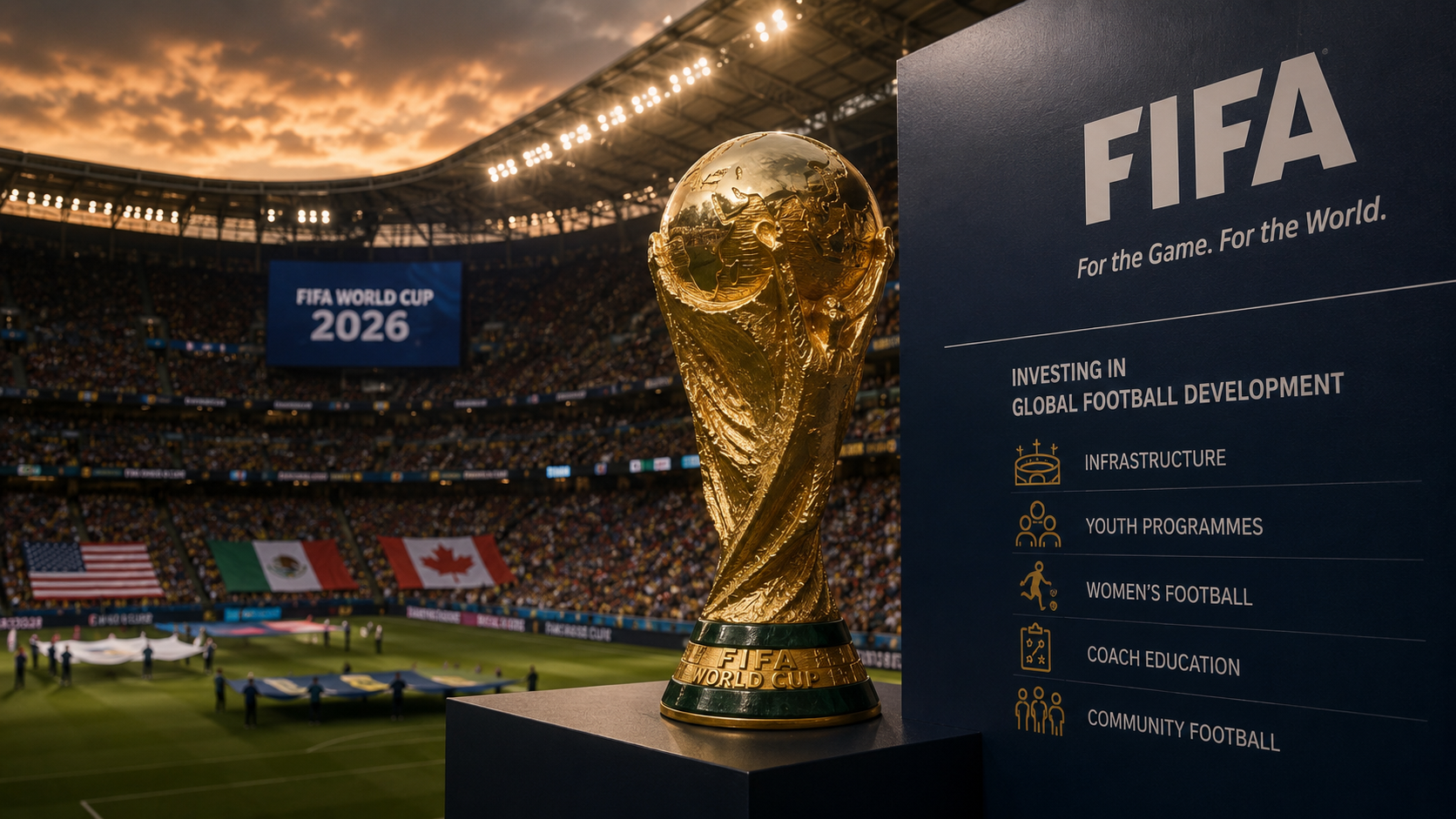
FIFA revenue is projected to reach $13bn over the four-year cycle ending with the 2026 World Cup, driven overwhelmingly by the tournament itself.
FIFA expects $8.9bn of that total to come from the 2026 World Cup alone, underlining how central the event remains to the organisation’s finances. The figures outline a cycle shaped by strong media income, steady sponsorship returns and a sharp jump in matchday-related earnings.
World Cup remains the engine of the four-year cycle
The governing body has forecast roughly $4bn from broadcast rights across the cycle. That remains the single largest identified stream outside of the tournament’s aggregate contribution.
Commercial sponsorships are expected to generate around $1.8bn. Combined, broadcast and sponsorship income continue to form the core of FIFA’s predictable, contract-based revenues.
But the headline shift compared to the 2022 edition is not in media or sponsorship. FIFA is signalling that the largest uplift will come from supporters in stadiums and premium experiences around matches.
Ticketing and hospitality forecast to triple past 2022 levels
FIFA’s ticketing and hospitality income is forecast to triple versus the 2022 World Cup, rising to more than $3bn. That jump is positioned as the biggest increase between the two tournament cycles.
The projection highlights how aggressively matchday monetisation has moved up the agenda for major sporting events. Ticket sales, corporate packages and hospitality inventory have become increasingly important levers alongside the long-established broadcast model.
For FIFA, the scale of the projected jump suggests a financial strategy that leans more heavily on in-person demand than in previous cycles. It also points to a tournament economy in which premium seating and packaged experiences can materially reshape total revenues.
Investment pledge sets expectations for football funding
As a non-profit organisation, FIFA says it will reinvest at least $11.67bn of revenue from this cycle “to boost global football development.” The commitment frames the revenue forecast not only as a commercial benchmark, but as the funding base for FIFA’s development work.
The investment figure sets a clear reference point for how the cycle’s income is intended to be channelled back into the game. With the 2026 World Cup providing the bulk of projected earnings, the tournament’s financial performance will be closely linked to FIFA’s capacity to meet that funding pledge.
Next for FIFA is turning forecasts into contracted and realised income as the cycle progresses toward 2026. The key watchpoints will be whether broadcast and sponsorship projections hold steady and whether ticketing and hospitality can deliver the expected step change.