FIA targets 80kg weight cut for F1 cars by 2031
FIA targets 80kg weight cut for future F1 cars by 2031, with a possible 2030 launch if stakeholders agree on the next ruleset.
Mehmet Şahinoğlu ·
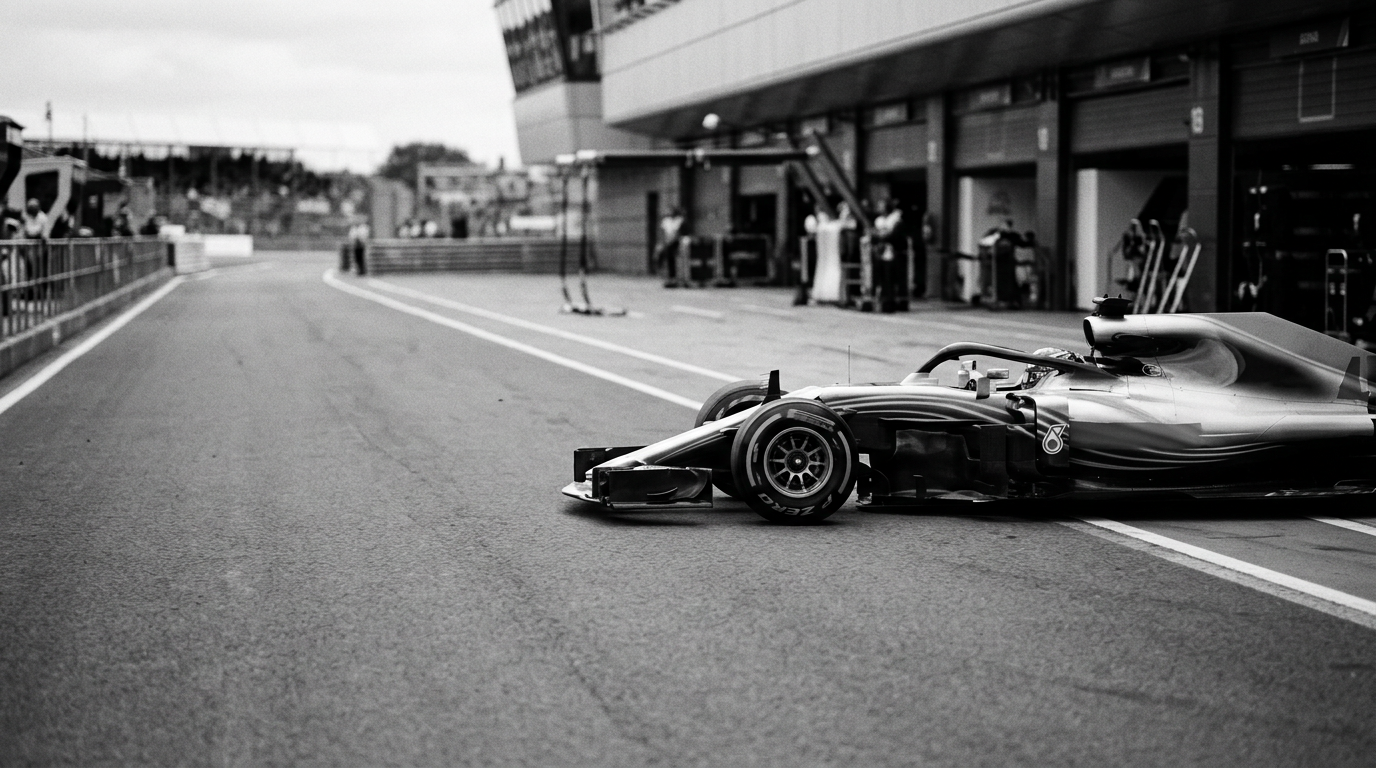
The FIA has set a target to reduce Formula 1 car weight by a further 80 kilograms in the next major regulatory cycle, with implementation planned for 2031. Officials said the timetable could be brought forward to 2030 if teams and other stakeholders agree.
The move is intended to counter decades of rising car mass and expanding dimensions, an evolution that has been widely linked to reduced agility. The FIA’s stated aim is to improve how the cars behave on track and to raise the quality of racing by making them more responsive and more demanding to drive.
2026 rules already cut minimum weight and size 2026 rules already cut minimum weight and size The FIA The upcoming 2026 regulations already include a 32-kilogram reduction in the minimum vehicle weight. They also mandate a 20-centimeter cut in wheelbase and a 10-centimeter reduction in overall width. Officials said these changes were designed to make cars more agile and to reduce the aerodynamic disruption known as “dirty air,” which can make it harder for a following car to stay close through corners and mount an overtaking attempt. FIA says aero limits are holding up better than before Nikolas Tombazis, the FIA’s single-seater director, said the 2026 chassis rules mark a meaningful step forward. He said cars are now able to follow each other more closely, with the effect of dirty air reduced to levels last seen at the start of the 2022 championship. Tombazis also pointed to what he described as Tombazis also pointed to what he described as improved regulatory resilience. He said team-led workarounds have not substantially undermined the central concept, contrasting with previous cycles where development paths eroded the intended aerodynamic outcome. Further weight cuts may require power unit and architecture shifts While the FIA views the current chassis direction as a positive, officials said further technical evolution is still needed. They indicated that delivering an additional 80-kilogram reduction will likely require major changes in power unit complexity and in the overall vehicle architecture. The FIA Those prospective changes are being framed by officials as part of longer-term governance and technical stability for the championship. The FIA’s stated objective is to ensure that lighter cars translate into better racing and a greater on-track challenge for drivers, without destabilising competition.
The FIA said reaching the 2031 target, or potentially 2030, will depend on collaborative development with teams and manufacturers. Officials described that alignment as necessary to balance performance, competitiveness, and the sport’s longer-term technical direction as it pursues lighter, more agile cars.