Federal Reserve speech tests Wall Street rate bets this week
Federal Reserve Chairman Kevin Warsh heads to Jackson Hole as officials split on rates and US futures pause after Nvidia-led tech gains.
Atlas Newsdesk ·
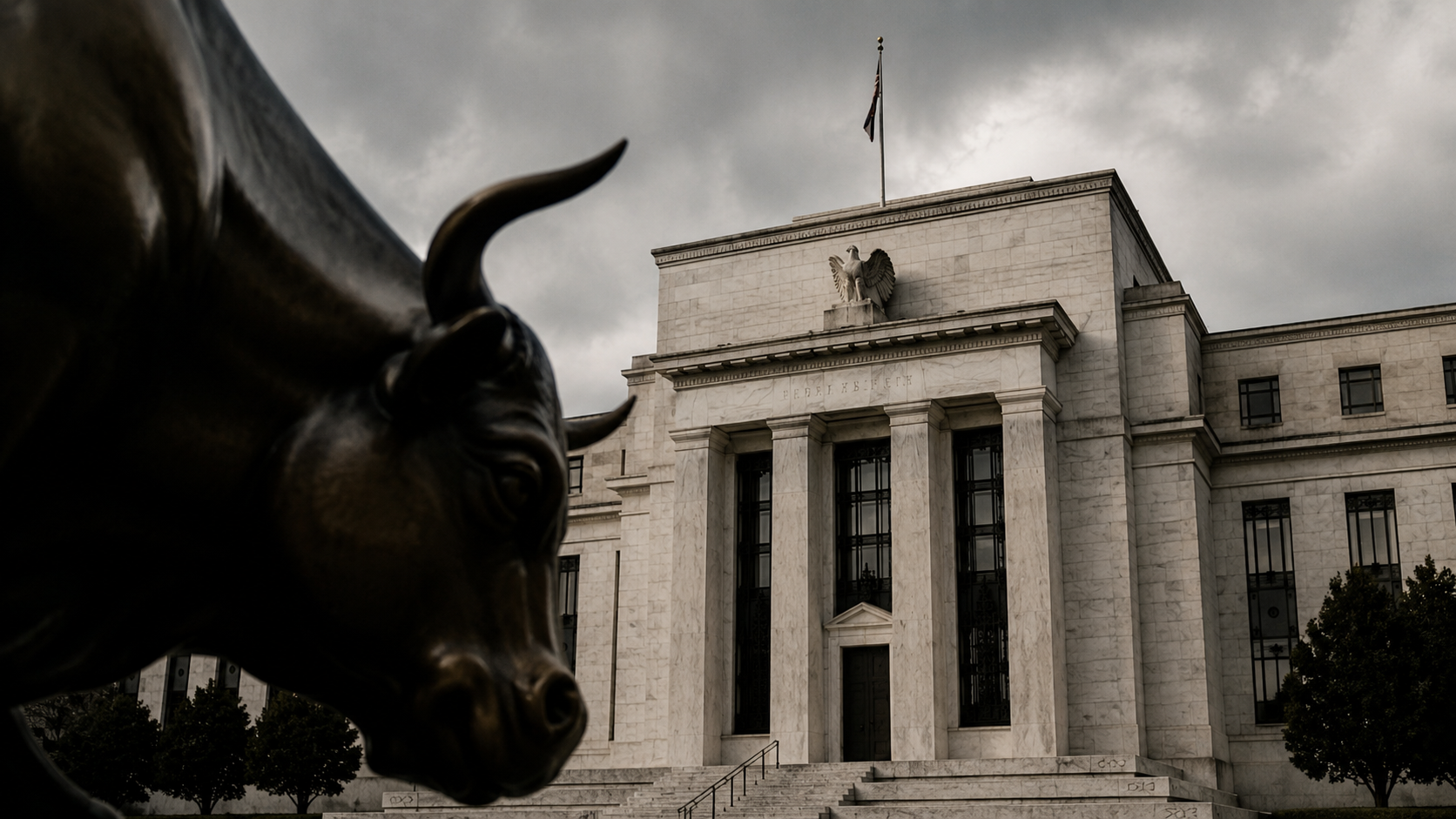
Federal Reserve Chairman Kevin Warsh speaks at Jackson Hole Friday as a survey shows 45% expect no rate-path detail, leaving markets to infer September odds.
The speech lands after a week in which traders looked for clues on rates, Treasury market strains and the Fed's reaction function under Warsh. Prediction market pricing cited Thursday afternoon put only a 16% chance on Warsh saying "bond market," double the 8% assigned to "yield curve."
Warsh keeps markets waiting
The low odds matter because those two phrases would point investors toward last week's highs in Treasury yields and the Treasury's intervention in the bond market. A survey found 45% of respondents, less than half, did not expect Warsh to expand on the rate outlook in the Jackson Hole remarks.
Analysts cited in the source material also doubted that Warsh would use the speech to preview the Fed's decision next month. That leaves investors weighing the difference between a policy framework speech and an operational signal before the next Federal Open Market Committee meeting.
Warsh appeared at a July 29, 2026, press conference after the Federal Open Market Committee held interest rates steady following a two-day meeting. That decision is the immediate reference point for Friday's remarks, since officials are now testing whether inflation risks justify a fresh move.
Fed hawks sharpen inflation message
Cleveland Fed President Beth Hammack said "now is the time to act" on raising interest rates in a television interview before the speech. Kansas City Fed President Jeff Schmid called inflation "stubborn" and "sticky," language that points to concern inside the central bank about cutting too early or waiting too long.
Those comments do not bind the committee, but they narrow the questions around Warsh's message. If he echoes Hammack or Schmid, investors would have a clearer signal that the Fed's inflation guard remains high; if he avoids that language, the market may keep treating September as open.
US futures were little changed after technology stocks led Wall Street higher on Thursday. Nvidia, the key chipmaker behind much of the session's tech strength, was marked $1.55 lower after hours, a 0.68% decline from its quoted level.
Nvidia frames the risk trade
The Nvidia move gives Friday's rate debate a company-level lens. Higher expected rates can raise the discount rate applied to future earnings, a mechanism that often matters most for growth stocks whose valuations rely on profits further out.
For the wider technology sector, a Warsh speech that keeps rate guidance vague would leave earnings momentum and artificial intelligence demand as the main near-term supports. A more restrictive message would shift attention back to financing costs, equity multiples and whether the Nasdaq's leadership can broaden beyond chipmakers.
The day's policy calendar is not confined to the Fed. A judge blocked the blacklisting of Anthropic as a supply chain risk, a ruling that keeps one major artificial intelligence company out of that restriction for now and preserves a channel for suppliers tied to its operations.
Iran and France add politics
A separate report said President Trump has no plans to revive the June ceasefire agreement with Iran. The claim is single-sourced in the material provided, so the immediate market relevance is limited to how investors price geopolitical risk until the White House or another primary actor gives a direct account.
France also entered the political frame with the first presidential debate of the 2027 campaign. Marine Le Pen sought to appeal to business leaders with a pledge to cut spending, setting up an early test of whether fiscal restraint can broaden support for her platform.
If Warsh avoids rate guidance, the global macro effect would be to keep US rate uncertainty embedded in dollar funding and risk assets, while Nvidia and other growth shares remain driven by earnings news. If he leans toward tighter policy, the mechanism runs through higher expected borrowing costs, pressure on equity valuations and renewed scrutiny of rate-sensitive sectors.
If political risks dominate instead, with Iran or France pulling attention from central banking, global markets would have to price policy uncertainty across both security and fiscal channels. The main open question is whether Friday's speech changes the rate debate, or simply confirms that investors must wait for the next Fed decision.