Federal Reserve faces July CPI test before rate decision
The Federal Reserve gets July CPI data before next month's rate decision, with economists watching a 0.2% core price increase.
Atlas Newsdesk ·
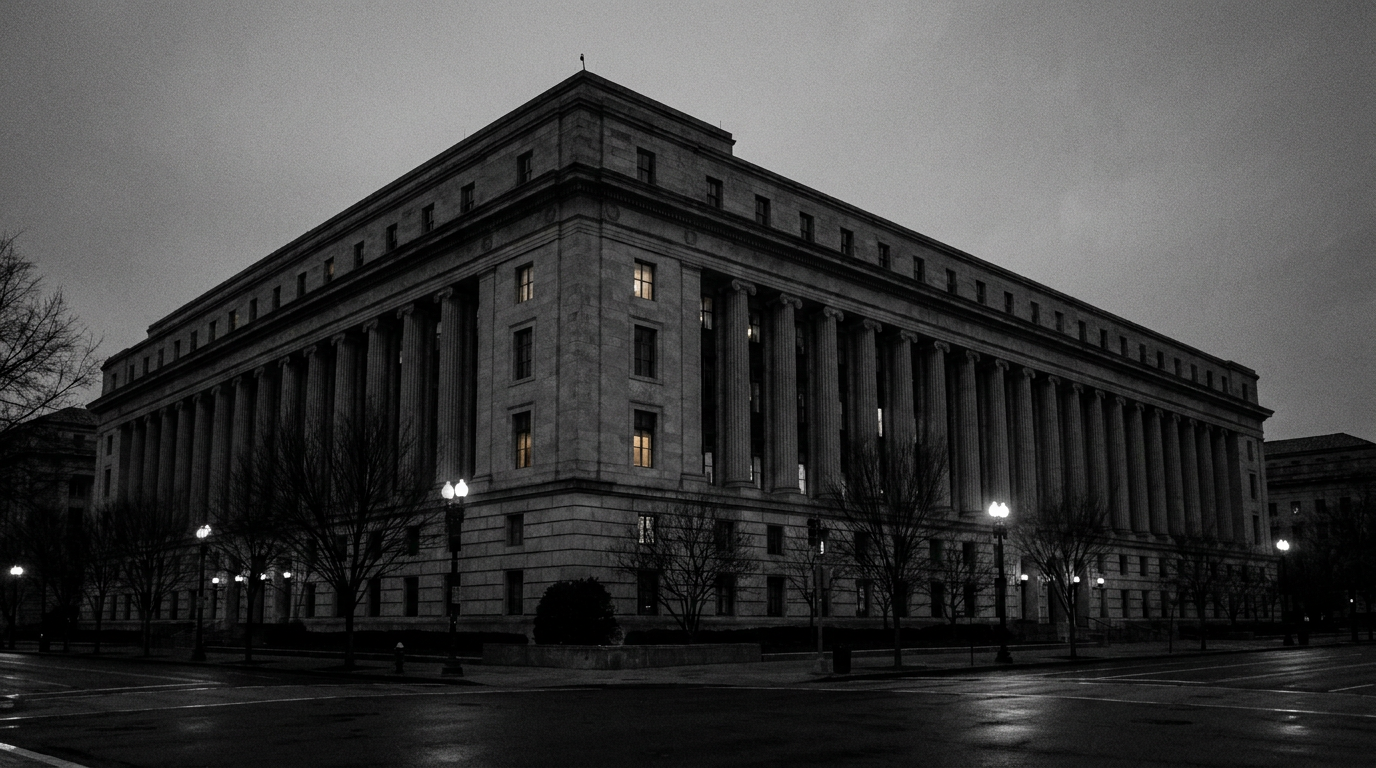
The Federal Reserve gets July CPI data today, with economists watching a 0.2% core monthly increase before next month’s rate decision.
The consumer price index is the first of two inflation readings due before policymakers decide whether to lift interest rates. The July report matters to rate expectations because it feeds into the inflation measures officials use when assessing price pressure.
Warsh faces a 0.2% line
Economists cited in the source account expect core CPI, which strips out food and energy costs, to rise 0.2% in July from June. That forecast gives investors a clear threshold: a reading above 0.2% would be viewed as firmer inflation than the consensus described in the account.
The account framed an upside surprise as a test for Federal Reserve Chairman Kevin Warsh, whose recent comments were said to have left investors unsure about his rate intentions. It also cast a potential increase as politically sensitive, with Warsh under scrutiny over the central bank’s independence from President Trump.
Oil and chips complicate prices
The source account said tariff effects on consumer prices appear to be fading, reducing one channel of imported inflation. It also said the Iran war and the AI boom are keeping oil and technology prices elevated, two categories that can influence both business costs and consumer expectations.
Those forces affect inflation through different mechanisms. Higher oil prices can move transport and production costs, while expensive technology hardware can filter through corporate investment budgets and the prices of AI-linked services.
Kalshi traders lean cooler
Prediction-market traders on Kalshi were positioned for CPI to come in below the economist forecast cited in the account. That creates a split between the professional forecast described by economists and the market-implied view attributed to traders on the platform.
The difference matters for short-term market reaction. If traders are positioned for a softer reading and CPI instead exceeds 0.2%, rate-sensitive assets could adjust after the release as investors reassess the odds of a hike.
Three paths from July CPI
If core CPI matches or undershoots 0.2%, the global macro effect would likely run through lower pressure on US rate expectations, according to the scenario implied by the source account. For the Federal Reserve, that would give Warsh more room to wait for the second inflation reading before the meeting. For banks, real estate, and growth stocks, a softer reading would reduce near-term pressure from higher discount rates.
If core CPI comes in above 0.2%, the mechanism runs the other way. Global markets would have to price a higher chance of tighter US policy; the Federal Reserve would face more pressure to align action with Warsh’s hawkish language; and rate-sensitive sectors would confront higher financing-cost assumptions.
A third path is a mixed report, with core CPI near 0.2% but oil or technology components showing renewed pressure. In that case, the main open question would be whether officials treat July as a contained reading or as evidence that energy and AI-linked costs are broadening into the inflation basket.