F1 Probes Safety After Bearman's Suzuka Crash
F1 reviews safety after Oliver Bearman’s 307 km/h Suzuka crash on March 29, focusing on speed gaps from energy recovery and boost.
Mehmet Şahinoğlu ·
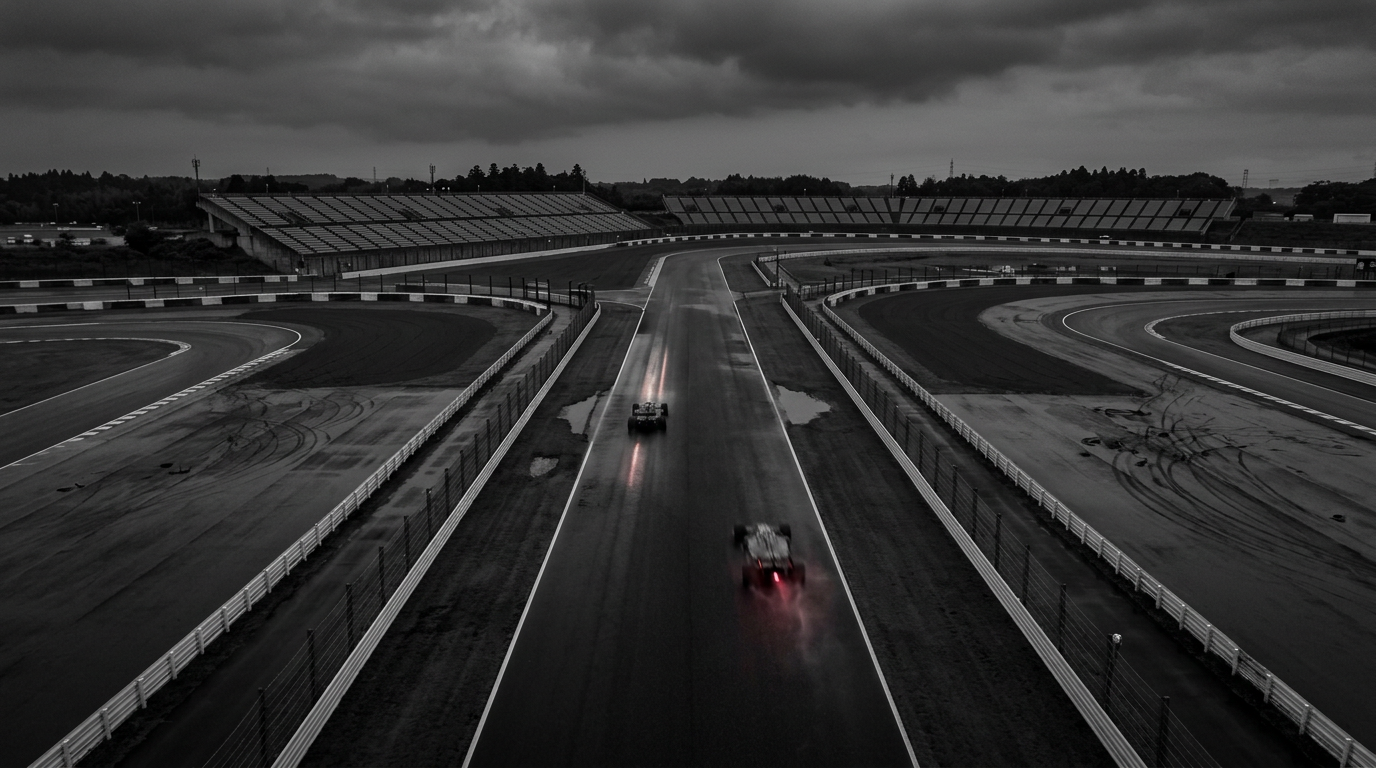
Formula One and the FIA are reviewing safety procedures after a high-speed crash involving Oliver Bearman at the Japanese Grand Prix on March 29. Officials are assessing whether current rules and operational protocols adequately manage large speed differences between cars on track. The incident has renewed attention on how energy deployment and recovery can create sudden closing speeds in racing conditions.
Bearman’s Haas left the racing line at 307 km/h (191 mph) as he tried to avoid Franco Colapinto’s slower Alpine. The Haas then hit the barriers with a 50G impact. Bearman was reported to have minor injuries, while the car suffered heavy damage.
The crash focused scrutiny on a safety issue linked to the new engine regulations: cars can be at very different speeds depending on how electrical energy is being used. In this case, Colapinto’s Alpine was recovering electrical energy, while Bearman’s car was in boost mode. That combination produced a 50 km/h closing speed, according to the details provided, leaving limited time and space for a driver approaching at full pace.
Teams and drivers have raised concerns about this type of scenario since the start of the season, as described in the account of the incident. The underlying problem is not simply a single car being slower, but the possibility of abrupt speed variation on the same section of track when one car is effectively charging while another is deploying energy. The risk is amplified when the faster car is committed to a high-speed approach and must react instantly to a slower car ahead.
F1, the FIA, teams, and engine manufacturers have a five-week window before the next race in Miami to work through potential adjustments. One option under consideration is changing energy recovery rates during “super-clipping,” described as charging batteries at full throttle. Any modification would need to reflect the complex interaction between the engine rules and the different ways teams manage energy across a lap.
What it means: The review matters for both safety governance and competitive integrity. The stated objective is to reduce dangerous speed differentials without introducing new risks or undermining competitive balance. With multiple stakeholders involved—regulators, the commercial rights holder, teams, and engine suppliers—any agreed change would also test how quickly the sport can respond to safety concerns while preserving consistent rules across the grid.
Key uncertainties remain over which adjustments, if any, can be implemented within the available timeframe and how changes would affect differing energy strategies. Officials have indicated the need to avoid unintended consequences, suggesting that solutions will be evaluated for knock-on effects as well as immediate safety benefits.