Climate Change Increases European Wildfire Risk
Scientific analysis confirms global heating has drastically increased extreme wildfire risks in Spain and France, causing widespread destruction.
Atlas Newsdesk ·
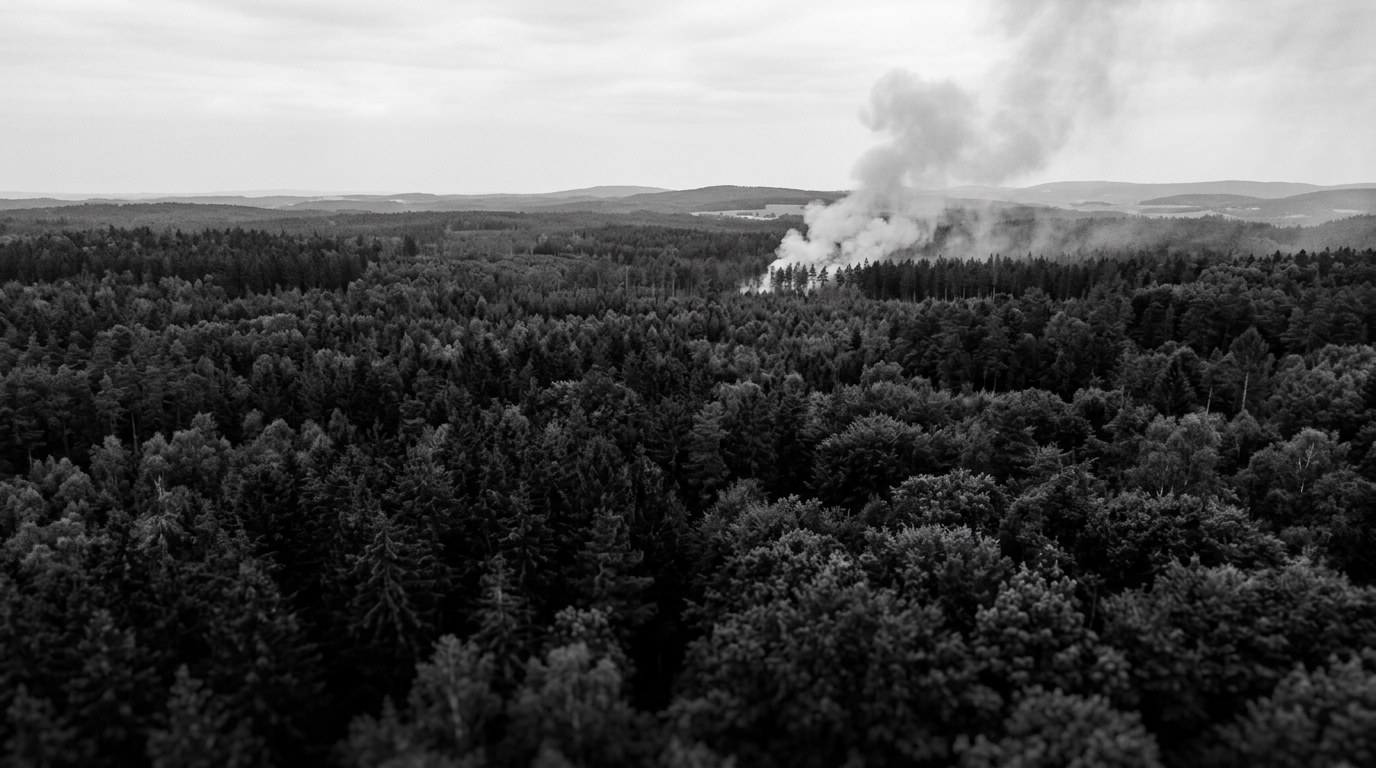
Researchers from the World Weather Attribution consortium determined that human-induced climate change has significantly increased the probability of extreme wildfire conditions across Spain and France. The analysis, released this week, concludes that global heating has made the specific combination of hot, dry, and windy weather at least 20 times more likely in Spain and twice as likely in France.
The study utilized the Daily Severity Rating (DSR) metric to assess the intensity of fire-prone conditions during the July period. By comparing current weather data against pre-industrial baselines, scientists identified that the 1.4C rise in global temperatures has fundamentally altered regional climate patterns. This shift creates a mechanism where wetter winters promote vegetation growth, which subsequently dries out during hotter summers, providing increased fuel for wildfires.
The consequences of these conditions include the destruction of thousands of homes and the displacement of over 300,000 residents. Furthermore, the fires have generated significant public health risks, with particulate pollution levels reaching 20 times the threshold for fair air quality. Experts indicate that these findings represent an escalation in climate-driven disasters, necessitating a transition toward renewable energy sources to mitigate future risks.