China's Hua Hong Advances 7nm Chip Production
China's Hua Hong Group advances 7nm chip production via Huali Microelectronics, boosting national semiconductor self-sufficiency efforts.
Jason Kwon ·
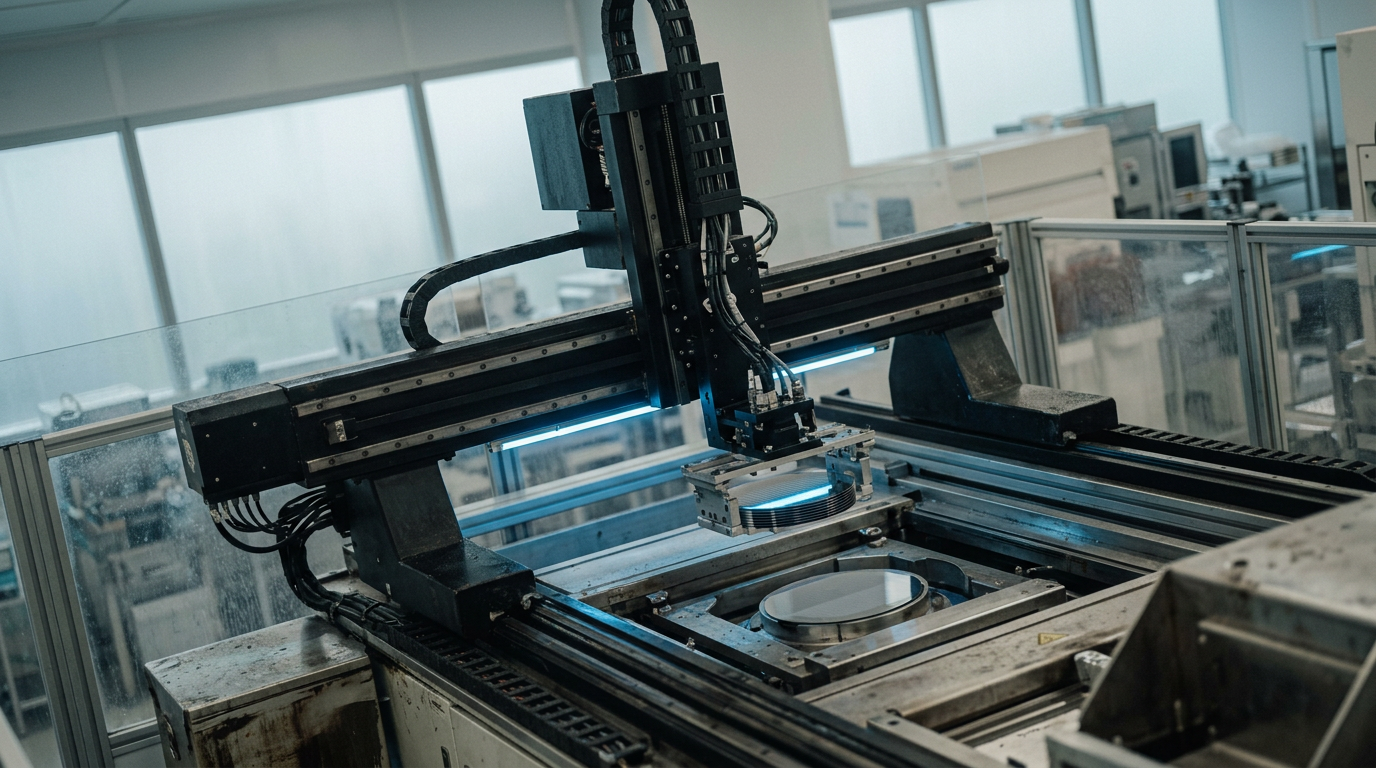
Hua Hong Group, China's second-largest chip manufacturer, has developed 7-nanometer (nm) chip technology, with its subsidiary Huali Microelectronics preparing for production in Shanghai. This initiative positions Huali as the second domestic firm capable of 7nm chip manufacturing, following Semiconductor Manufacturing International Corporation (SMIC), and underscores China's strategic push for semiconductor independence.
Development of the 7nm process began last year at Hua Hong Fab 6. The project has reportedly leveraged support from various domestic equipment suppliers, including SiCarrier, which has ties to Huawei. This advancement aligns with Beijing's broader objective to reduce its reliance on foreign technology, particularly amidst ongoing global supply chain challenges and export restrictions.
Production Targets and Investment
Huali Microelectronics aims to achieve an initial production capacity of several thousand wafers per month by the close of the current year. This expansion is supported by significant investment. In December, Hua Hong Semiconductor announced plans to acquire a controlling interest in Huali, alongside a capital raise of 7.56 billion yuan (approximately $1.10 billion) designated for technological upgrades and research initiatives.
Strategic Context and Geopolitical Landscape
This domestic technological progress occurs within a complex geopolitical environment. While there have been some adjustments to U.S. technology export controls, China continues to prioritize self-sufficiency in critical sectors like semiconductors. The development of advanced manufacturing capabilities is central to this strategy, aiming to mitigate the impact of external pressures and ensure national technological security.
Key Collaborations and Market Implications
Reports indicate that Biren, a Chinese graphics processing unit (GPU) designer, is utilizing Huali's 7nm production line for chip design tape-out. Biren was added to a U.S. trade blacklist in 2023, highlighting the strategic importance of domestic manufacturing alternatives for Chinese technology companies. The ability to produce advanced chips internally could reduce vulnerabilities for firms facing international restrictions.
Broader Industry Impact
The expansion of 7nm production capabilities by Hua Hong contributes to China's overall semiconductor ecosystem development. This move is critical for various high-tech industries within the country, from artificial intelligence to advanced computing, which increasingly rely on sophisticated chip technology. The long-term goal is to establish a resilient and comprehensive domestic supply chain for semiconductors, reducing dependence on imported components and intellectual property.
This strategic investment and technological advancement by Hua Hong Group are central to China's ambition to become a leading player in the global semiconductor industry, fostering innovation and securing its technological future against a backdrop of intensifying international competition and trade policies.
Implications
Country Impact: China's push for semiconductor self-sufficiency is strengthened, potentially reducing its vulnerability to foreign technology restrictions and bolstering its domestic tech industry. This could accelerate indigenous innovation in critical sectors.
Industry Impact: The global semiconductor industry may see increased competition and a shift in supply chain dynamics as China develops more advanced domestic manufacturing capabilities. This could impact market shares for international chipmakers and equipment suppliers.
Market Impact: Increased domestic chip production in China could lead to greater stability for Chinese tech companies, potentially reducing their reliance on external markets. For global markets, it signifies a move towards a more diversified, albeit potentially fragmented, semiconductor supply landscape.