Chinese Electric Vehicles Capture Record 10.7% of Western European Market
Chinese EV makers reached a record 10.7% share in Western Europe in Q2 2026, up from 5.7% a year earlier, data shows.
Atlas Newsdesk ·
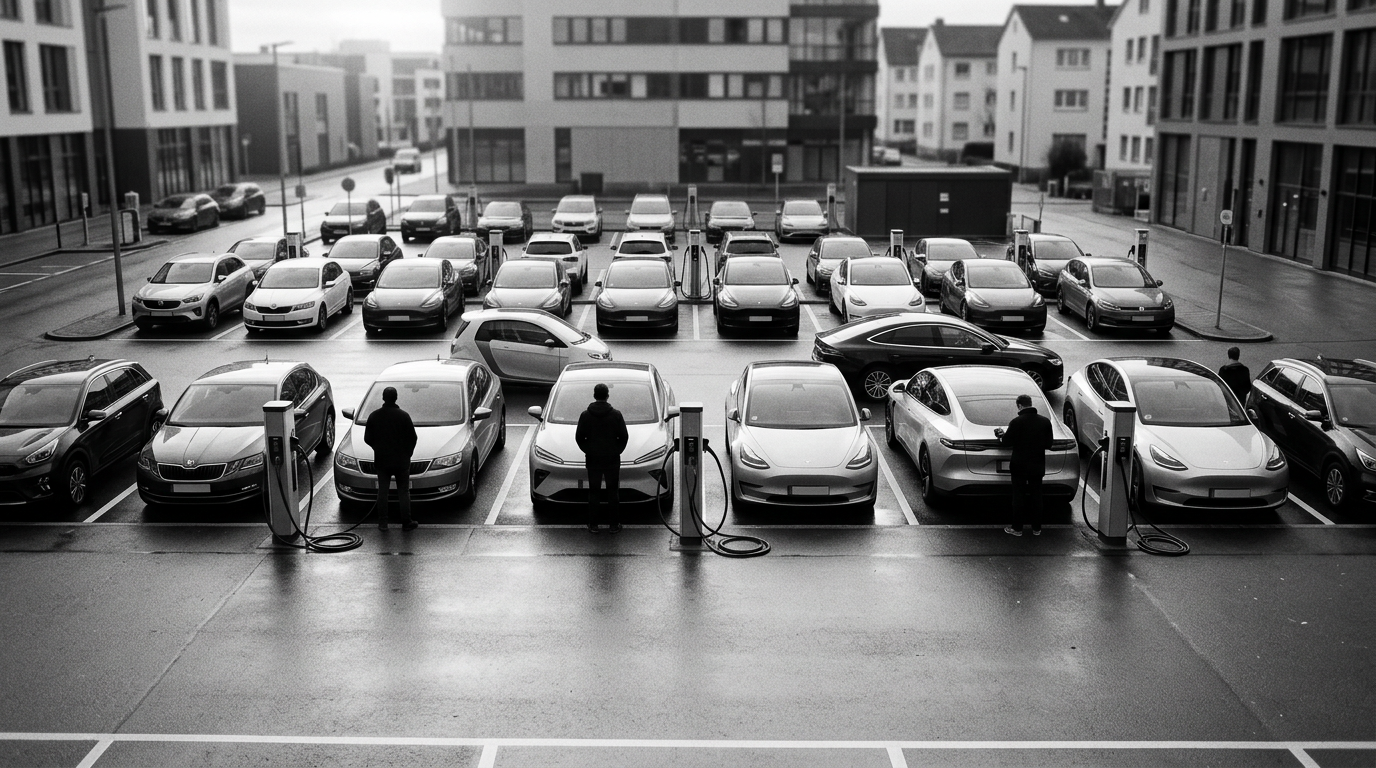
Chinese electric vehicle manufacturers captured a record 10.7% share of the Western European market in the second quarter of 2026, according to the data cited in the source material. The figure marks a sharp rise from 5.7% in the same period a year earlier, as companies accelerate their push outside China.
The expansion is being driven by aggressive international strategies aimed at compensating for slower demand at home and navigating trade barriers in other regions, the source material said. The result is a faster reshaping of competitive dynamics in Western Europe’s EV and broader auto sector, with new entrants committing resources to gain scale and brand presence.
Market share shifts across Chinese and US brands
While Chinese brands advanced While Chinese brands advanced, Tesla held a 2.6% market share in Western Europe, supported by significant price reductions that helped steady the position of US-based brands, according to the source material. The pricing moves were described as stabilising, even as competition intensified across segments.
At the same time, the broader US automotive sector’s combined market share in Europe fell to 6.5%, the source material said. The numbers underline that Tesla’s relative resilience did not prevent an overall contraction in the US share of the market.
Localisation moves: production, infrastructure, and partnerships Beyond sales, Chinese manufacturers are described as becoming more embedded in Europe’s industrial ecosystem through localisation. The source material pointed to a mix of localised production plans and infrastructure investment intended to support operations on the ground.
These steps are aimed at enabling regional supply
It also highlighted strategic partnerships with established European manufacturers and acquisitions of local production facilities. These steps are aimed at enabling regional supply chain operations and supporting sustained participation in the Western European market, rather than relying solely on exports.
Structural change and the key uncertainties The source material framed the developments as evidence of a structural shift in the European automotive market, characterised by stronger competition and increased capital investment from non-European players. That combination can affect pricing strategies, production footprints, and partnership decisions across the sector.
However, the source material did not specify which Chinese companies led the gains, which Western European countries drove the change, or the scale and timing of individual factory, partnership, or infrastructure projects. It also did not detail the specific trade barriers being avoided in other regions, leaving uncertainty about how much of the momentum is driven by consumer demand versus strategic rerouting of investment and supply chains.
For European manufacturers and policymakers, the reported rise in market share and localisation activity places greater emphasis on competitiveness and industrial strategy, as new capital and capacity enter the market through both commercial growth and asset acquisition.