European Union trade deficit with China hits €36.5bn in July
The EU's trade deficit with China has expanded to over €1 billion daily, prompting potential new import quotas on Chinese vehicles and chemicals ahead of…
Claire Dubois ·
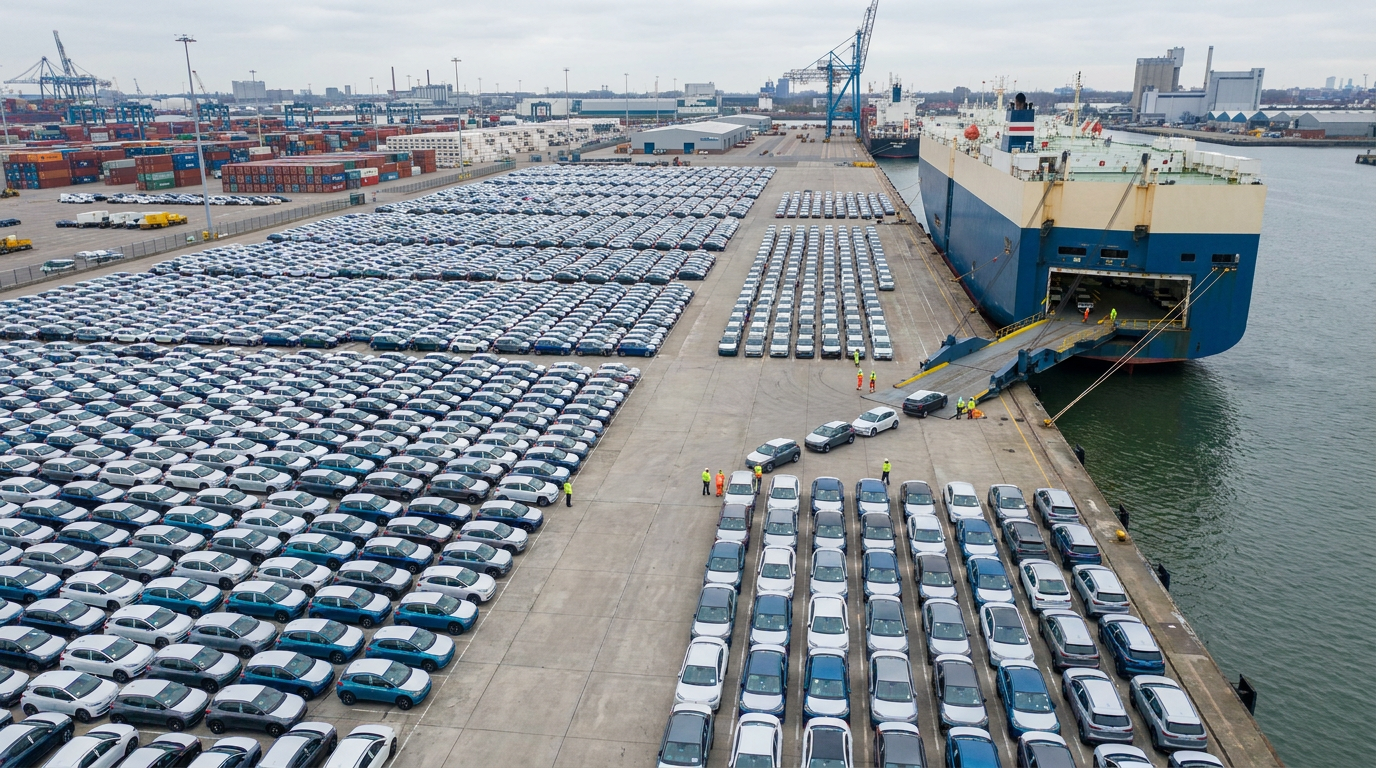
The European Union's trade deficit with China expanded to €36.5 billion in July 2026, pushing the cumulative trade imbalance for the first seven months of the year to €234 billion. Official trade data indicates that the ratio of imports to exports reached 3.1 to 1, marking a sharp widening of the commercial gap compared to the same period in 2025.
A continuous surge in Chinese shipments has driven the expanding deficit, with hybrid vehicles serving as a primary driver of the trade imbalance. Imports of hybrid automobiles from China have increased tenfold since October 2024, alongside significant gains in other industrial sectors. The rapid acceleration of these imports has heightened concerns among European authorities regarding competitive parity and market access within the bloc's internal market.
European Union Considers Quotas on Chinese Imports
In response to the widening structural gap, European officials are evaluating targeted trade policy measures, including the potential implementation of import quotas on specific hybrid automobiles and chemical products. European automotive and chemical manufacturers are increasing pressure on policymakers to enact robust protective barriers to safeguard local manufacturing from rising foreign competition. In turn, Chinese exporters may consider shifting toward localized assembly and production within Europe to bypass anticipated trade barriers.
Bilateral Talks in Beijing Set for October
These mounting commercial frictions are scheduled to dominate upcoming high-level bilateral negotiations on October 8 in Beijing. Representatives from both sides face a delicate task as they seek to resolve disputes over market access and industrial subsidies without sparking a broader trade war. European negotiators are expected to maintain a firmer defensive posture during the meetings, driven by domestic sector demands for structural safeguards.
The principal risk during the autumn talks involves a potential cycle of tit-for-tat trade restrictions. Unilateral safeguards enacted by the European Union could trigger Chinese retaliatory measures against major European agricultural and industrial exports, threatening wider diplomatic relations. Conversely, the prospect of strict import barriers could encourage targeted Chinese direct investment into European manufacturing hubs, similar to earlier compromise patterns established in the renewable energy sector. The future stability of European supply chains will ultimately depend on the bloc's capacity to deploy measured safeguards without causing systemic economic decoupling.