Elon Musk Consolidates Empire with AI-Powered Strategy
The impending SpaceX IPO marks a strategic step in Elon Musk's plan to unify his diverse companies into an AI-powered conglomerate.
Atlas Newsdesk ·
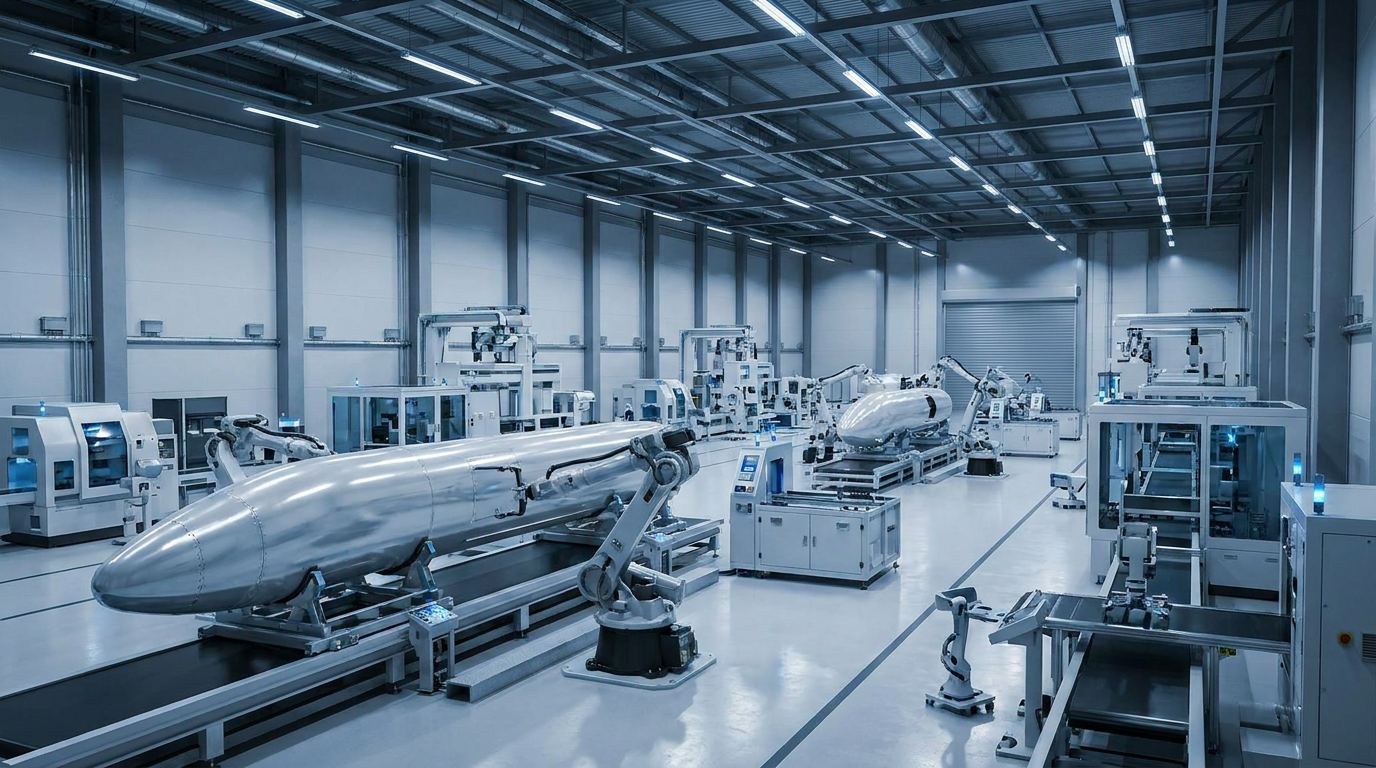
The anticipated initial public offering (IPO) of SpaceX represents more than a financial event for the aerospace company. Industry observers suggest it is a pivotal move in Elon Musk's long-term strategy to consolidate his various ventures under a unified corporate structure. This consolidation reportedly includes the integration of X and xAI, with projections indicating Tesla's potential inclusion once SpaceX's stock offers a viable acquisition currency.
This corporate evolution mirrors a similar trajectory observed with Amazon founder Jeff Bezos and his 'Prometheus' physical AI lab. Bezos's initiative, described as an 'AI-powered Berkshire Hathaway,' indicates a shared vision among leading tech entrepreneurs to build integrated holding companies. Both Musk and Bezos appear to be leveraging advanced AI to connect disparate businesses.
The AI-Driven Corporate Landscape
The trend towards diversified, AI-integrated conglomerates has been developing in Big Tech for years. Companies like Amazon have expanded from retail into cloud services, advertising, logistics, healthcare, and satellite technology. Similarly, Alphabet, originating from search, now encompasses self-driving vehicles and longevity research.
Meta Platforms' investment in its own frontier AI lab, rather than simply utilizing existing AI solutions, underscores a desire for proprietary cutting-edge capabilities. This push for internal AI development suggests a strategic intent to maintain technological leadership and foster internal synergies across diversified operations.
Challenges and Opportunities in Conglomerate Strategy
Historically, conglomerates relied on 'synergy,' superior management, or cheaper capital to justify their structure. While Disney successfully leverages intellectual property across its park and studio divisions, many synergies are often overstated. Past successes, such as Harold Geneen's at ITT or Jack Welch's at GE, were often management-intensive and not always sustainable long-term.
The current landscape, however, presents a new catalyst for conglomeration: artificial intelligence. AI could serve as the 'new glue,' offering a unifying technological layer that optimizes operations, data utilization, and management across diverse companies. This potential for AI to streamline and enhance multi-industry operations could redefine the value proposition of modern conglomerates.
AI's Double-Edged Sword for Integration
While AI offers unprecedented tools for managing a sprawling corporate empire, it also brings challenges. Advanced AI models can provide greater transparency, allowing analysts and stakeholders to scrutinize complex corporate structures more effectively. This increased clarity could diminish the 'complexity shield' that traditional conglomerates sometimes utilized.
Furthermore, if AI commoditizes operational excellence, then specialized domain expertise might become the primary differentiator for competitive advantage. This could paradoxically argue for more focused, rather than diversified, corporate structures. Nevertheless, pioneers like Musk and Bezos are poised to test the full capabilities of AI in orchestrating multi-faceted business empires, a paradigm that previous generations of industrialists lacked the tools to fully explore.