Cyclone Narelle Intensifies, Threatens Queensland Coast
Tropical Cyclone Narelle intensified to Category 5, threatening far north Queensland, Australia, with 200 km/h winds and isolation.
Ayla Demirhan ·
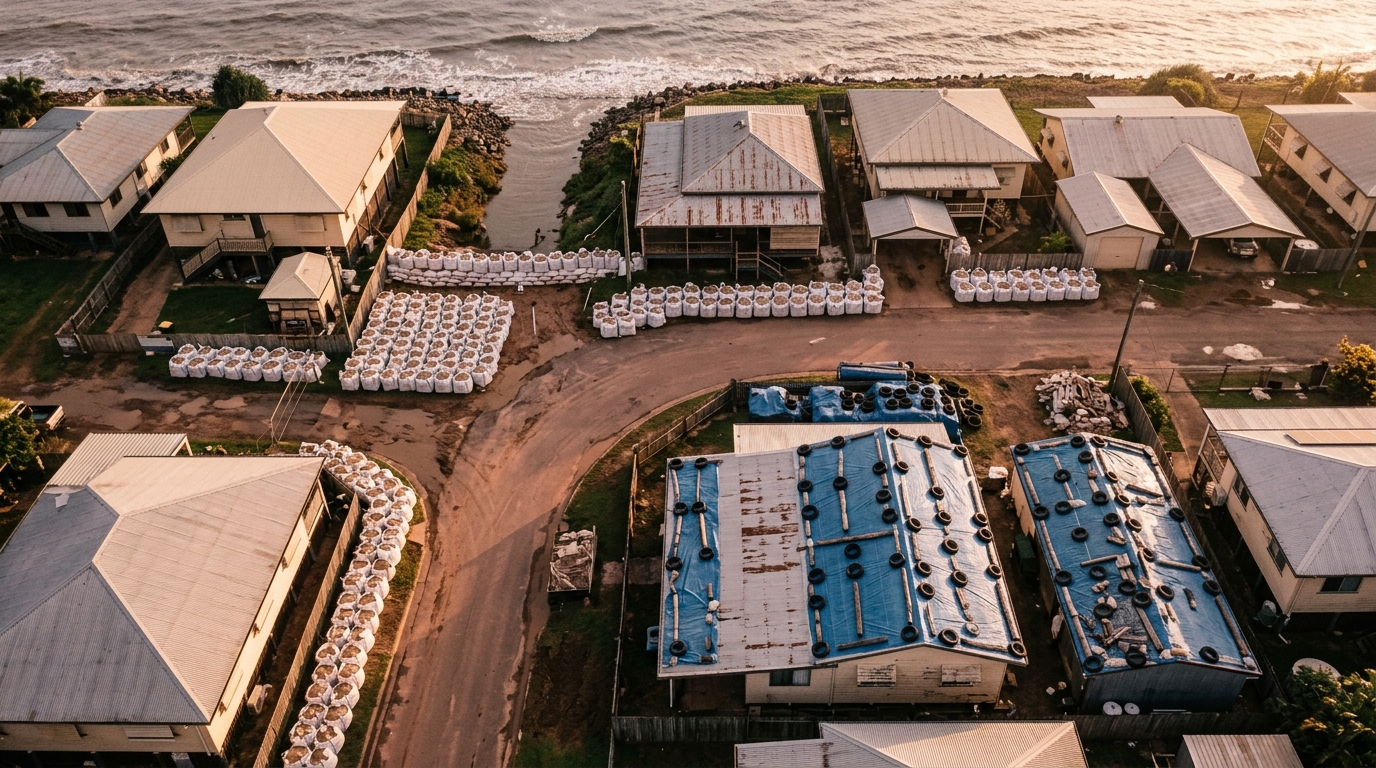
Tropical Cyclone Narelle escalated to a Category 5 storm on Thursday, posing a severe risk to remote communities in far north Queensland, Australia. The powerful weather system, situated approximately 500 kilometers offshore, was projected to make landfall on Friday morning, with its anticipated trajectory directly impacting Coen, an Aboriginal community with a population of around 330 residents.
Local authorities and residents in Coen, along with other towns such as Lockhart River, initiated extensive preparations throughout Thursday. These measures included reinforcing structures with sandbags, accumulating essential food supplies, and securing any loose outdoor items. The cyclone is expected to bring destructive winds reaching speeds of up to 200 kilometers per hour, alongside the risk of significant debris.
Community Preparedness Efforts
Both Coen and Lockhart River face particular challenges due to the absence of dedicated cyclone shelters. Consequently, community efforts have focused on fortifying existing buildings to provide safe havens for residents during the storm. The potential aftermath of such a severe weather event includes extended power outages, disruptions to mobile communication networks, and prolonged isolation from external access, potentially lasting several weeks.
Lessons from Past Cyclones
Lockhart River, which previously endured a Category 4 cyclone in 2019, has applied critical lessons from that experience. A key focus of current preparations in Lockhart River involves proactive debris removal to minimize potential damage to infrastructure and homes. This strategic approach aims to enhance resilience against the anticipated high winds and associated hazards.
Wider Regional Impact
Even coastal regions situated hundreds of kilometers from the cyclone's direct path, such as Cooktown, have commenced preparatory actions. These include the evacuation of harbor areas to protect maritime assets and ensure public safety. The broad scope of these preparations underscores the significant regional threat posed by Cyclone Narelle.
Historical Context of Cyclones in Queensland
Queensland's coastline is frequently exposed to tropical cyclones, particularly during the wet season from November to April. These events often lead to widespread damage, infrastructure disruption, and significant economic costs. The intensity of Cyclone Narelle as a Category 5 storm places it among the most powerful systems to threaten the region, necessitating robust emergency responses and long-term recovery planning.
Government agencies, including the Bureau of Meteorology and emergency services, continuously monitor such systems, issuing warnings and guidance to affected populations. The experience gained from previous cyclones, like Yasi in 2011 or Debbie in 2017, informs current disaster management strategies, emphasizing early warnings and community-led preparedness.
Outlook and Emergency Response
The immediate outlook involves managing the direct impact of the cyclone's landfall and ensuring the safety of residents in the affected areas. Emergency services are on standby to provide assistance, including search and rescue operations and the distribution of aid, once conditions permit. The long-term implications will involve extensive recovery and rebuilding efforts, particularly for remote communities that may experience prolonged isolation.
Authorities continue to urge residents to follow all safety directives and remain vigilant as the cyclone approaches and passes.
Implications
Country Impact: Australia's far north Queensland faces significant infrastructure damage and prolonged isolation for remote communities. Emergency services will be stretched, and recovery efforts could be extensive, impacting regional economic activity.
Industry Impact: The tourism and agricultural sectors in affected parts of Queensland could experience disruptions due to infrastructure damage and reduced accessibility. Insurance companies are likely to face increased claims.
Market Impact: While localized, the event could temporarily impact specific regional commodity supply chains or local market sentiment. Broader Australian markets are unlikely to see significant shifts unless the economic impact is unexpectedly severe.