ECOWAS backs Nigeria–Morocco gas pipeline plan, but funding remains open
ECOWAS has approved the $25bn Nigeria–Morocco gas pipeline, a strategic project set to reshape West Africa’s energy export options and infrastructure.
Claire Dubois ·
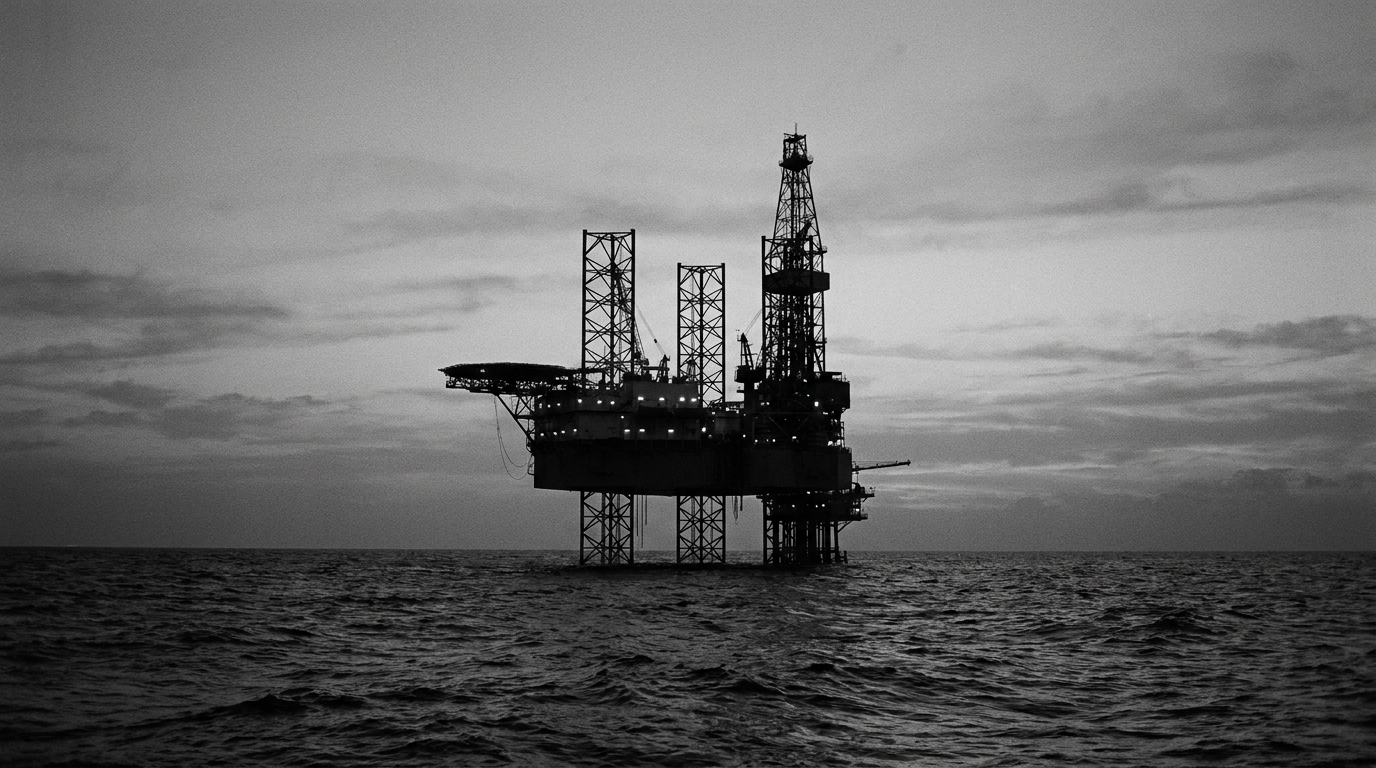
# ECOWAS backs Nigeria–Morocco gas pipeline plan, but funding remains open
West African heads of state have signed off on plans for a natural gas pipeline linking Nigeria to Morocco, putting regional political weight behind a project supporters price at $25bn. The approval is a milestone for a scheme that has been discussed for years, but it does not yet resolve the two gating questions for investors: who pays, and on what timetable.
The decision was taken under the Economic Community of West African States (ECOWAS), the bloc that coordinates economic policy across much of West Africa and often acts as a convening platform for cross-border infrastructure. The pipeline would run along the Atlantic coast and connect into Morocco’s network, a route backers argue could ultimately broaden access to gas for countries along the corridor and create a new pathway toward European markets via North Africa.
The Nigeria–Morocco proposal sits at the intersection of three constraints that recur in large cross-border energy projects: security, permitting, and long-horizon financing. In West Africa, pipelines and power links that cross multiple jurisdictions typically require not only national approvals but also regional coordination on regulatory standards, transit terms, and dispute resolution mechanisms.
ECOWAS’ approval signals political alignment, but it is not the same as a final investment decision. In practice, projects of this scale tend to advance only when developers can lock in long-term shipping commitments and clarify governance: which entities build and operate the line, how tariffs are set, and how construction and political risks are allocated across states and financiers.
What it means for the euro area
For the euro area, the most direct channel is energy security, but the time horizon matters. A Nigeria–Morocco pipeline would not be a near-term substitute for existing gas supply routes because it still needs detailed engineering, permits, financing, and phased construction across many countries. If those hurdles are cleared, the longer-run effect could be to increase optionality in Europe’s gas sourcing through North Africa, potentially lowering the risk premium that spikes during supply disruptions.
The second channel is macro-financial rather than physical supply. If European utilities or infrastructure investors ultimately participate, the project could become another test case for how Europe prices long-dated energy assets that sit between energy security goals and climate transition policies. That tension can affect the cost of capital, and therefore whether cross-border gas infrastructure clears investment hurdles.
A falsifiable next checkpoint is whether project backers can announce a concrete financing structure and counterparties. Observable: a signed financing framework or mandated lead arrangers for the project; by_date: 2026-12-31. Condition_right: a named set of lenders/investors and an agreed development budget are published by the project sponsors or relevant governments. Condition_wrong: the project remains at the level of political communiqués without disclosed financing commitments or a formal project company structure by year-end.