AI job impact: Economists rethink labor disruption
AI job impact is being reassessed as economists warn of possible displacement and inequality, even without broad disruption yet.
Jason Kwon ·
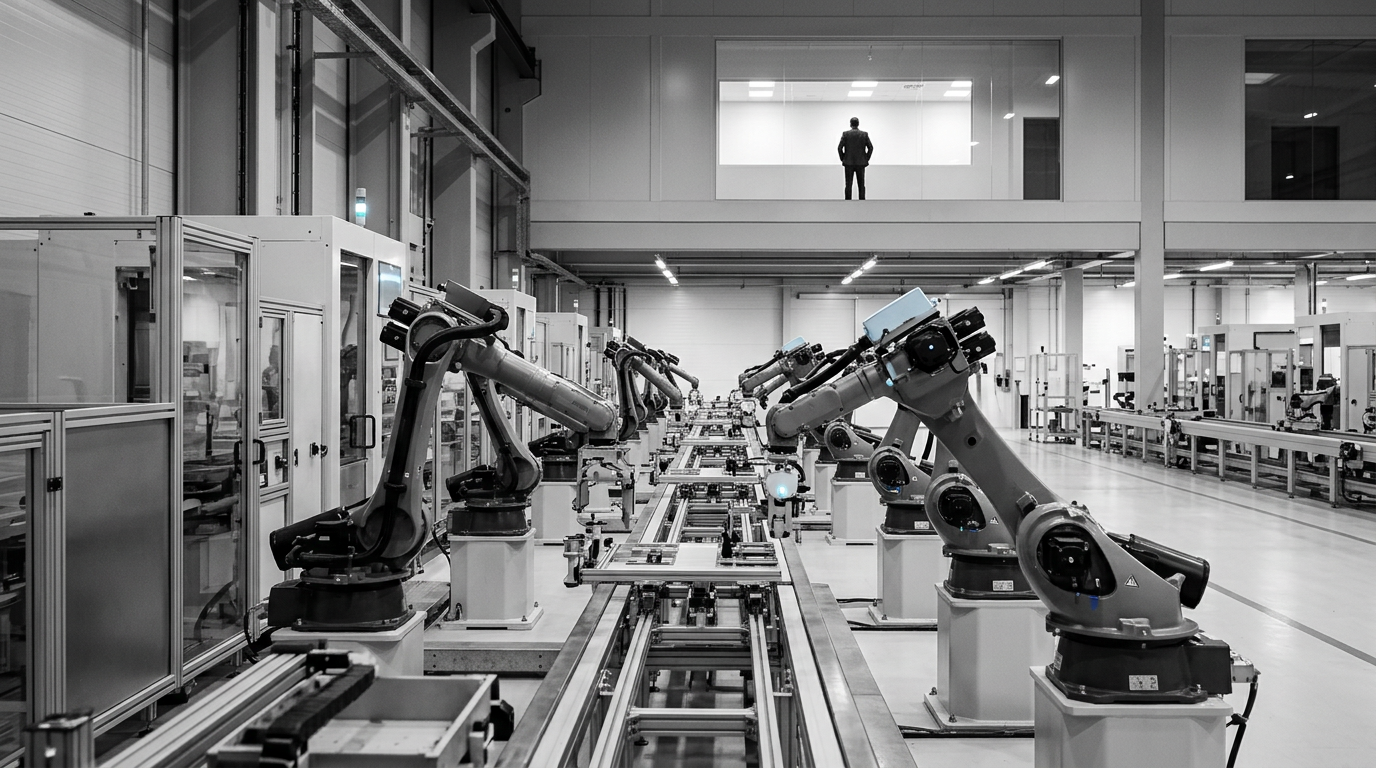
Economists are increasingly revisiting how artificial intelligence could reshape work , marking a notable change from earlier skepticism about large-scale labor market disruption. A recent working paper described this shift as a growing willingness among experts to treat AI as a serious near-term force in employment, wages, and inequality, even as many say the most dramatic effects are not yet visible in current data.
According to the paper, most economists do not currently report broad, AI-driven job losses across the economy. However, the tone is changing: more researchers now argue that the absence of clear disruption so far does not rule out rapid change ahead. The paper also raised concerns that policymakers may be behind the curve if AI adoption accelerates faster than institutions can respond.
A survey of economists and AI industry insiders cited in the paper pointed to a shared expectation that AI could lift economic growth while also widening inequality. Respondents also anticipated that AI could displace millions of jobs over a horizon ranging from five to 25 years. The paper emphasized that the range of possible outcomes remains wide, with uncertainty spanning from limited job losses to the removal of entire job categories.
The potential exposure is not confined to one segment of the workforce. The paper said both entry-level white-collar roles and blue-collar positions could be affected, depending on how AI systems are deployed and which tasks are automated. It described a scenario in which task-level substitution could accumulate into broader occupational change, particularly if AI tools become embedded across routine workflows.
The reassessment is linked to recent advances in AI capabilities, including reasoning models and autonomous agents. The paper said these developments have shown AI can handle more complex tasks than many economists previously assumed, prompting some experts to frame AI as an event on the scale of an industrial revolution. That framing, the paper argued, is contributing to a more urgent debate about preparedness.
In response, the paper called for proactive policy discussions focused on supporting workers who may be affected by technology-driven transitions. It presented this as a planning challenge as much as an economic one, given the possibility of uneven impacts across income groups and job types. The paper concluded that societies may need to prepare for significant economic and social consequences if AI adoption becomes widespread.