Economic confidence rises as voters reassess inflation
Gallup’s economic confidence index rose in July from May’s low, signaling less voter gloom even as Iran war inflation pressures persist.
Atlas Newsdesk ·
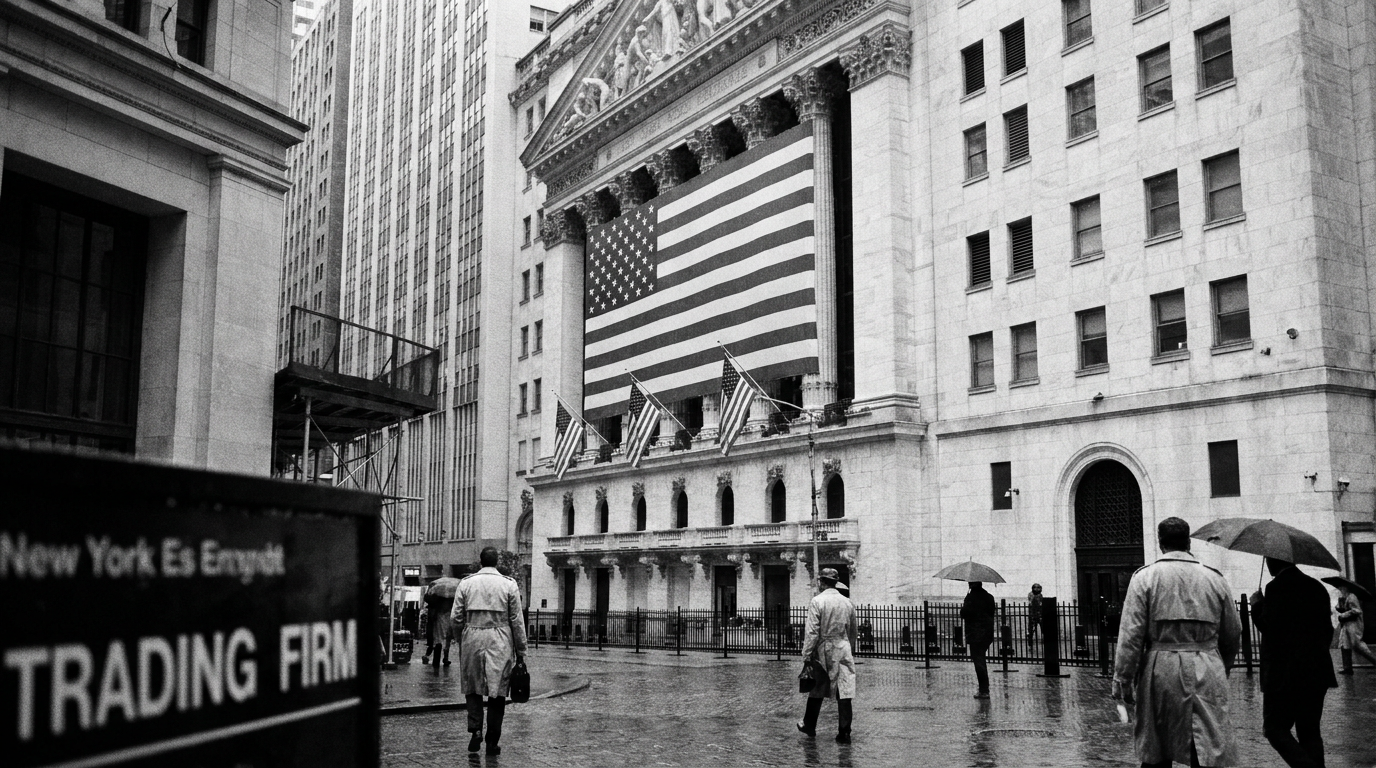
Economic confidence improved in July as Gallup’s index rose from May’s low. Republican and independent views drove most of the shift.
Gallup’s measure climbed to -31 this month from -45 in May, according to the pollster’s July reading. The index remains deep in negative territory, but the rebound gives the White House a clearer political argument as it tries to contain inflation pressure linked to the Iran war.
July index recovers from May
The survey found that 22% of American adults described U.S. economic conditions as excellent or good, up from 16% in May. A larger share, 44%, still called conditions poor, and more than two-thirds said the economy was deteriorating.
Gallup conducted the poll from July 1-19, a period that overlapped with renewed escalation between the United States and Iran. During that window, President Trump said the Iran ceasefire had ended, and both sides exchanged intensified strikes.
Oil has risen since then, adding a fresh cost channel to an economy where household inflation perceptions are already politically potent. Fuel prices are one of the most visible indicators for voters because they are posted daily and paid out of pocket.
Republicans lift the Gallup gauge
Gallup attributed most of the July improvement to Republicans and independents becoming less negative about the economy. That partisan composition matters because sentiment surveys often move with political control of the White House, especially when voters assess current conditions rather than their own balance sheets.
The improvement does not mean Americans have turned optimistic. A -31 reading still signals that negative views outweigh positive ones, and the underlying responses show broad concern about the economy’s direction.
The Republican shift is also limited by comparison with President Trump’s first term. The account said Republican voters are far less upbeat than they were at the same point in that earlier administration, a sign that war-linked inflation and gasoline concerns are cutting into the usual partisan lift.
Gas prices test voter patience
The Iran war matters economically because energy markets transmit geopolitical shocks quickly. If traders price in a higher risk of supply disruption, oil costs can move through gasoline, freight and eventually some consumer goods.
That mechanism is central to the White House’s problem. A better confidence reading helps the administration argue that public sentiment is stabilizing, but a renewed rise in pump prices could erase gains among independents, the group that often decides close national elections.
Industries exposed to fuel costs would feel the strain first. Airlines, trucking companies, delivery networks and retailers all face tighter margins when energy prices rise faster than they can pass costs to customers.
Scenarios for prices and politics
If oil’s rebound persists, the macro effect would likely show up through stickier inflation expectations and pressure on consumer spending. For the White House, the July confidence gain would become harder to defend, while energy producers could benefit from higher prices and fuel-intensive sectors would face cost pressure.
If fighting cools and energy markets stabilize, the global macro effect would be more contained: less pressure on headline inflation and fewer reasons for central banks to fear a renewed commodity shock. In that case, the White House could point to the Gallup recovery as evidence that voters are responding to steadier conditions, while transport and retail companies would get some margin relief.
If the conflict widens, the July survey could become a temporary high point rather than the start of a durable turn. The macro channel would run through oil, inflation expectations and household purchasing power; the political channel would run through gasoline prices and independent voters; the industry channel would split winners in energy from losers in travel, logistics and consumer goods.
The open questions are concrete: whether Gallup’s next reading confirms the July shift, whether fuel prices keep rising, and whether independents remain less negative if the war continues. Until those answers arrive, the White House has a modest improvement, not a clean economic reset.