Drone attack hits Damietta port gas vessels in Egypt
Drone attack at Damietta port hit gas vessels on July 30, officials said, raising shipping security concerns near Suez-linked routes.
Mateo Fernandez ·
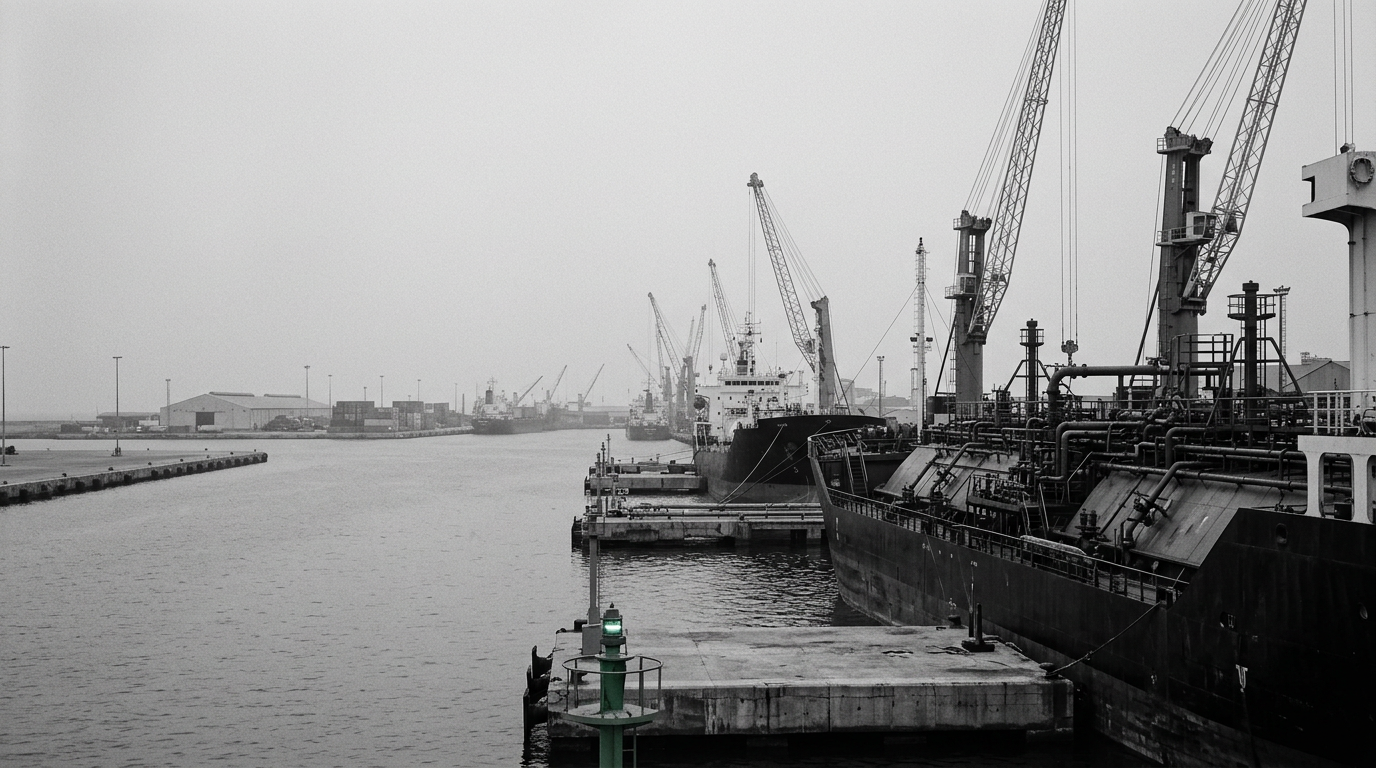
A drone struck gas vessels at Egypt’s Damietta port on July 30, officials said, triggering fresh concern over the security of shipping lanes connected to the Suez Canal. Energy-market participants were watching for any sign of supply disruption, though an immediate market reaction was still pending.
Egypt’s cabinet said on July 30 that preliminary findings indicate an unidentified drone as the source of the attack. Officials added that investigators were assessing damage and reviewing crew reports, while stressing that no detailed figures on casualties or cargo losses had been released.
Damietta incident raises shipping security questions
Damietta sits on the Mediterranean coast and is Damietta sits on the Mediterranean coast and is part of the broader maritime network serving the Suez Canal and its approaches. Officials said the July 30 strike has heightened concern among shipping operators and regional governments about vessels transiting routes that connect to or pass near major chokepoints. The Suez Canal and nearby Mediterranean approaches are a principal route for global trade and a conduit for Gulf oil and gas shipments, officials noted. The Damietta attack, even with limited public detail so far, is being treated as a signal event because it involved gas vessels in an area tied to high-volume international flows. Risk pricing, routing decisions, and cost pressures Analysts and insurers routinely incorporate elevated risk into premiums when attacks cluster near key maritime corridors, according to market participants referenced in the reporting. That dynamic can affect the cost of operating vessels, especially when uncertainty persists and official assessments are still incomplete.
Officials and industry observers cautioned that if carriers
Officials and industry observers cautioned that if carriers choose to reroute around the southern tip of Africa or slow transits, shipping costs and voyage times would rise. They said such changes could have knock-on effects for fuel freight rates, reflecting higher operating costs and longer voyages.
For now, the scope of damage, the condition of crews, and the status of any affected cargo remain unclear because authorities have not released detailed casualty or loss information. The lack of specifics leaves market participants and ship operators reliant on official updates and navigation advisories to determine whether operational restrictions or security directives will follow.
Officials said further statements are expected from Egyptian investigators and regional maritime authorities through Aug 3, 2026, as they publish probe findings and any safety guidance. Shipping operators and energy-market participants were advised to monitor updates closely while the investigation continues.
Implications
Country Impact: For Egypt, the Damietta incident elevates scrutiny of maritime security around a strategic port area linked to the Suez Canal approaches. Officials have not released detailed casualty or cargo-loss data, keeping the immediate operational impact uncertain.
Industry Impact: For shipping and marine insurance, the incident may reinforce risk-sensitive pricing as operators assess safety and the possibility of advisories or directives. Carriers could weigh slower transits or alternative routing depending on official guidance and perceived threat levels.
Market Impact: Energy-market participants were monitoring the situation for potential supply disruption, though a reaction was pending at the time described. If rerouting or slower passages occur, officials and observers said costs and voyage times could rise, with knock-on effects for fuel freight rates.