Dolphins QB Malik Willis works to build timing with reshaped WR room
Miami Dolphins quarterback Malik Willis is developing chemistry with a new, competitive wide receiver group following significant offseason roster changes.
Mehmet Şahinoğlu ·
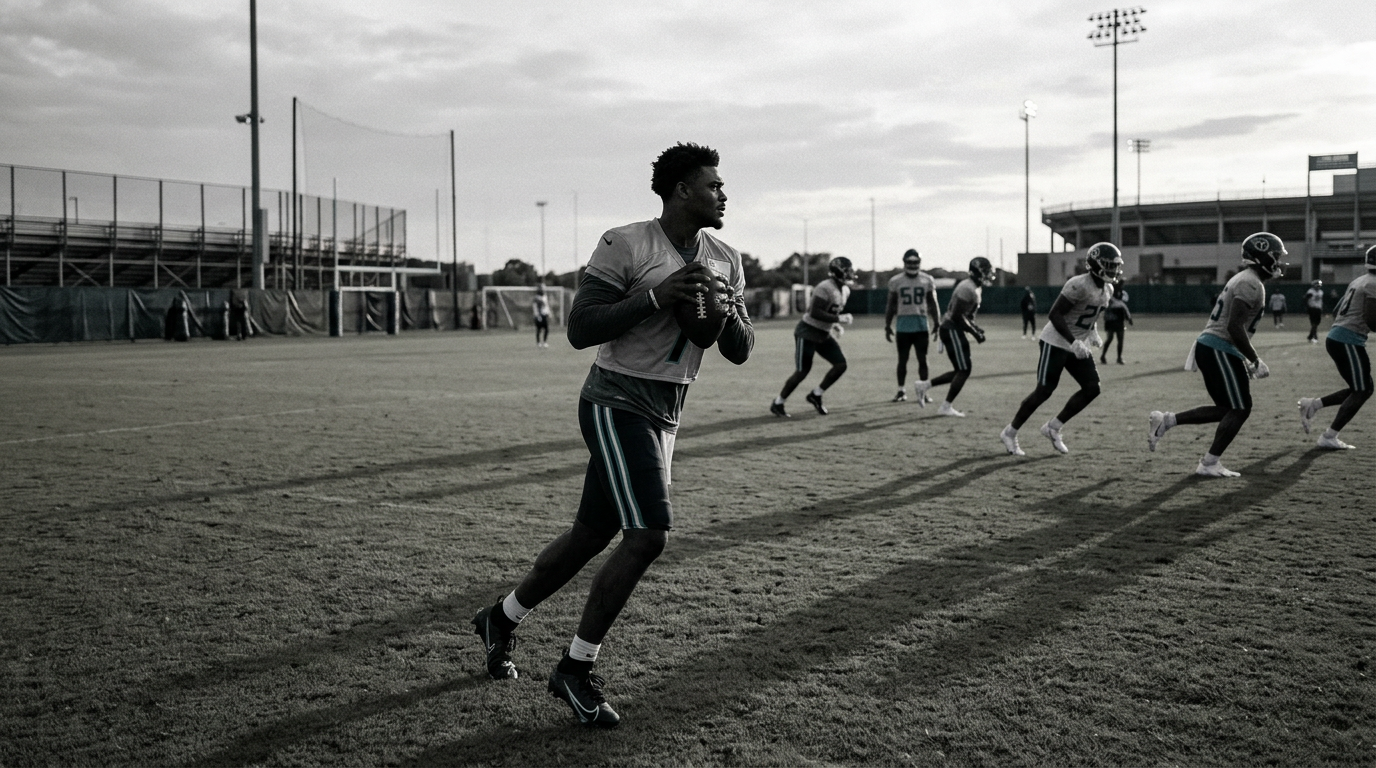
Miami Dolphins quarterback Malik Willis spent the team’s mandatory minicamp in Miami Gardens working to build timing with a reshaped group of pass catchers, with coaches stressing that chemistry will take time. First-year head coach Jeff Hafley said the offense has had only six practices with limited reps, framing the spring as an early step before training camp.
The Dolphins are also adjusting after moving on from two marquee wideouts, leaving the receiver depth chart open. The club has emphasized competition and evaluation rather than naming a clear No.
1 receiver at this stage.
Willis, who joined Miami as a free agent this offseason, has shown arm strength and mobility during open practices and spring drills, but teammates and coaches acknowledged the timing with wide receivers is still developing. Hafley said improvement has been visible in pieces, but repeated that the unit needs more work and repetitions to get crisp in the new system. Miami’s staff is using minicamp and the summer program to establish a baseline in route depth, spacing and communication.
One highlight cited during minicamp was a 40-yard touchdown completion during team drills to tight end Ben Sims, described as Willis’ longest completion of any open Dolphins practice. The play underscored that Miami’s explosive elements can come from multiple positions, not only perimeter receivers, as the offense searches for its best combinations.
It also illustrated the broader point Hafley made: the offense is still learning how Willis’ strengths translate across the full group of eligible targets.
Why the Dolphins’ receiver depth chart is unsettled
Miami’s wide receiver room is in transition after the team released Tyreek Hill in February and traded Jaylen Waddle to the Denver Broncos in March. Those moves removed star power from the position group and increased the importance of identifying reliable contributors among newcomers and younger options. Hafley said he did not expect a definitive hierarchy to form during the spring, pointing instead to steady improvement and learning the offense as the short-term priority.
The Dolphins added veterans Jalen Tolbert and Tutu Atwell in free agency and drafted Caleb Douglas and Chris Bell to increase competition. Hafley also highlighted third-year receiver Malik Washington as a holdover from the previous group, noting his work in the slot and ability after the catch while continuing to develop as a route runner.
Tolbert’s 2024 season with the Dallas Cowboys included 49 receptions for 610 yards and seven touchdowns, while Atwell’s role with the Los Angeles Rams showed field-stretching ability and production in spot starts.
How Willis is trying to accelerate chemistry
With many new faces in the huddle, Willis has also tried to build relationships away from the facility, including hosting dinners and informal get-togethers, according to comments in the source. Coaches have described that off-field work as part of an effort to speed up trust and communication before pads go on in camp. The Dolphins’ approach has been to keep roles open in the spring, then allow performance and consistency to set the pecking order.
Training camp will be the next major checkpoint, when Miami can evaluate whether timing improves under heavier workloads and more competitive periods, and whether any receiver separates as the primary option in the new-look group.