Disney Keeps ESPN as Streaming Strategy Shifts
Disney keeps ESPN in-house under CEO Josh D'Amaro, aiming to use it across cable, bundles with Hulu and Disney+, and standalone streaming.
Atlas Newsdesk ·
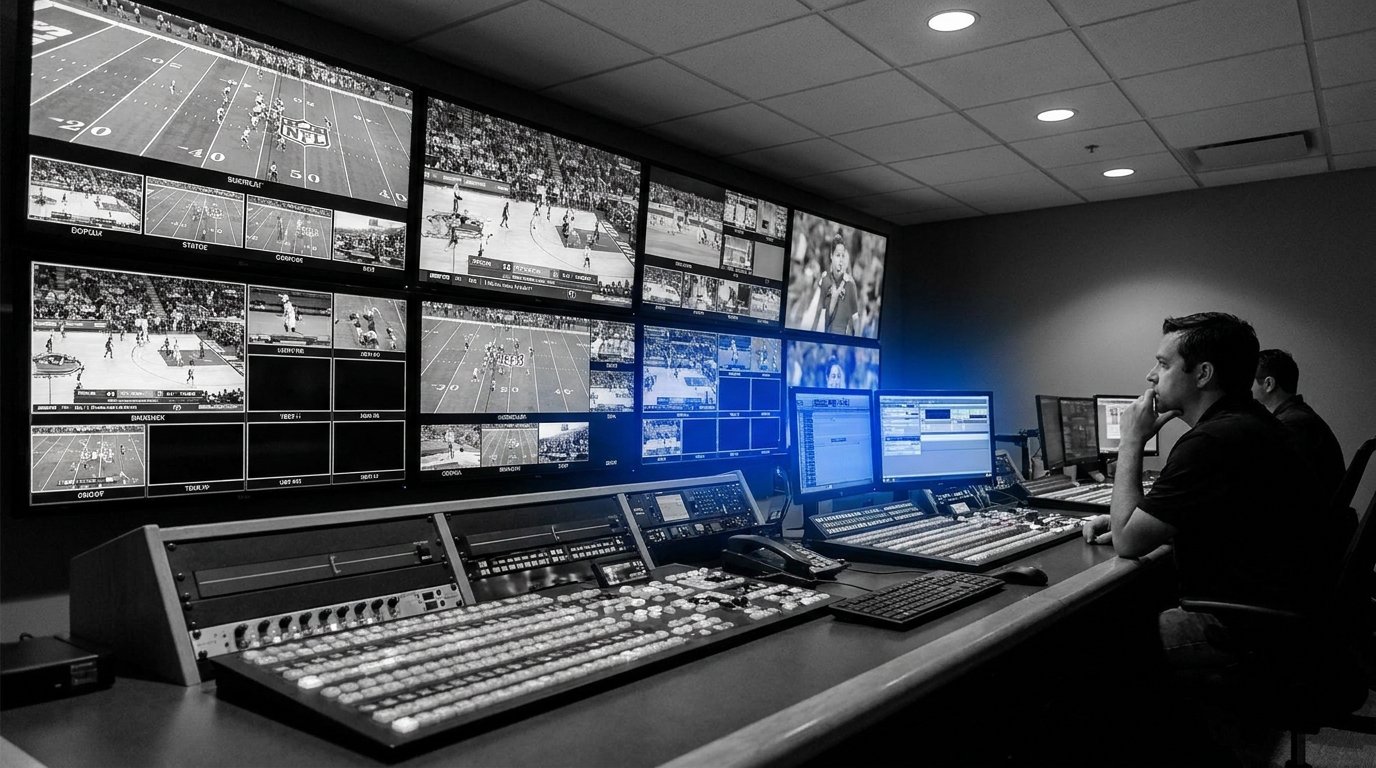
The Walt Disney Company has decided to keep ESPN inside the company rather than separating the sports network, according to people familiar with the matter. The move is attributed to new CEO Josh D'Amaro and is described as one of the first major strategic calls of his tenure.
The decision ends years of market speculation about whether Disney would spin off ESPN. It also comes as the media industry continues to adjust to a shift away from traditional cable toward streaming services.
Josh D'Amaro’s early call centers ESPN in Disney’s plans
People familiar with the matter said Disney’s current view is that ESPN remains a core asset. The company’s thinking is tied to a broader pivot toward streaming, where Disney believes ESPN can strengthen its product offerings.
In recent years, some investors and analysts had argued for divesting ESPN, pointing to declining cable subscriptions. Those concerns were tied to pressure on the traditional pay-TV model that has long supported sports channels.
ESPN distribution to span cable, bundles, and standalone streaming
Under the approach described by people familiar with the matter, Disney plans to make ESPN available across multiple paths. That includes continuing to offer ESPN through traditional cable, while also using it as a component in streaming bundles that include Hulu and Disney+.
The strategy also includes offering ESPN as a standalone streaming service. The aim, as described, is to use ESPN’s value to support Disney’s streaming push while maintaining the network’s existing presence in cable distribution.
Minority-stake options remain on the table
While Disney is keeping ESPN within its corporate structure, the company may still consider partnerships that involve selling minority stakes, according to the people familiar with the matter. The source material compares that possibility to a prior minority-stake transaction, citing a 10% stake sale to the NFL last year.
Such arrangements, if pursued, would allow Disney to keep control while bringing in partners. The people familiar with the matter did not describe any finalized deal, timing, or specific terms beyond the possibility of exploring minority-stake sales.
Decision could be revisited as the media model keeps changing
Company insiders said the choice to keep ESPN in-house reflects current strategy but is not necessarily permanent. They indicated the question could be reopened in the future, depending on how Disney’s priorities and the market evolve.
The move underscores the broader challenge facing legacy media groups: traditional cable revenue models are under pressure as streaming platforms grow. Disney’s plan, as described, is to position ESPN to work across both systems rather than choosing only one.