Italy's World Cup Drought Hits Third Straight Tournament
Italy World Cup qualification ended Tuesday after a Zenica shootout loss to Bosnia and Herzegovina, marking a third straight miss.
Mehmet Şahinoğlu ·
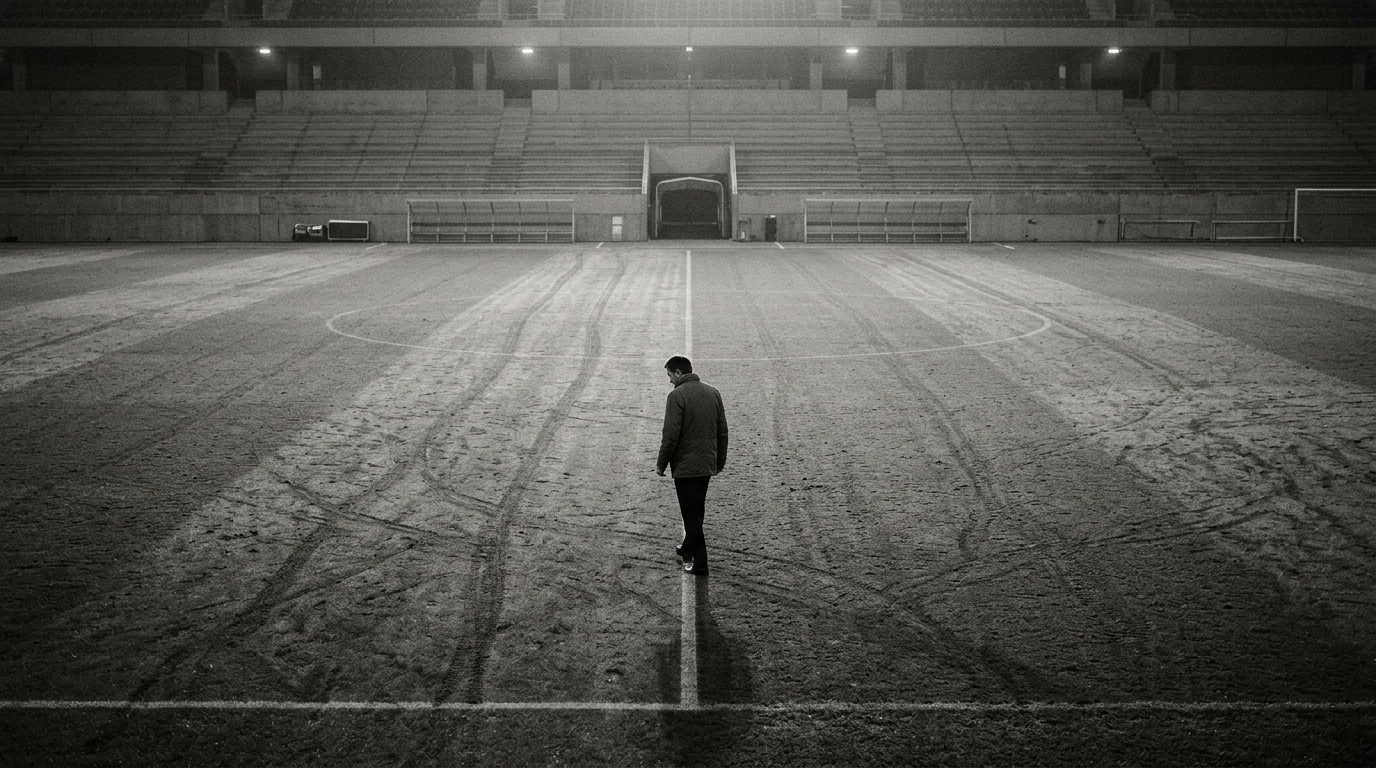
Italy’s national football team, the Azzurri, failed to qualify for the FIFA World Cup for a third consecutive time on Tuesday after losing to Bosnia and Herzegovina in Zenica. The decisive match ended with a 4-1 defeat in a penalty shootout, sealing Italy’s latest absence from the tournament. Officials and observers described the result as a major setback for a country whose men’s team has won the World Cup four times.
The match turned further against Italy before halftime when the Azzurri were reduced to 10 men. That disadvantage shaped the contest and added to the sense that the team’s margin for error has narrowed. The shootout loss, coming in a high-stakes setting, intensified scrutiny of how Italy is managed and developed at multiple levels.
In Italy, the defeat triggered widespread disappointment and renewed calls for systemic changes across the sport. The debate has extended beyond coaching decisions to include governance and the structure of youth development. Critics argue that the repeated failures point to deeper problems that cannot be solved through short-term adjustments alone.
The latest miss also fits into a longer period of uneven results since Italy’s 2006 World Cup victory. While Italy’s unexpected triumph at the 2021 European Championship stands out as a notable exception, it has not translated into consistent World Cup participation. For many supporters, the contrast between that high point and repeated qualification failures has sharpened questions about the foundations of the national program.
Commentators have linked the third consecutive failure to concerns about investment in young talent and what they describe as an over-reliance on foreign players. Those arguments have become central to a broader discussion about how domestic pathways are built and whether the current model produces enough elite-level players for international competition.
Experts have said a long-term rebuilding strategy is needed, rather than quick fixes, to address the underlying issues affecting Italian football.
Beyond sport, the outcome carries reputational and commercial consequences for a major football market. A prolonged absence from the World Cup can affect sponsorship visibility, broadcast interest, and the global profile of a national team that has historically been a marquee draw. There is also concern inside Italy that another failure could deepen disillusionment and further reduce engagement among younger generations of fans.