Europe Unprepared for Sustained Conflict, Officials Warn
European defense officials cautioned that the continent is ill-equipped for a prolonged, high-intensity conflict against Russia, citing shortfalls in materiel and public readiness.
Mateo Fernandez ·
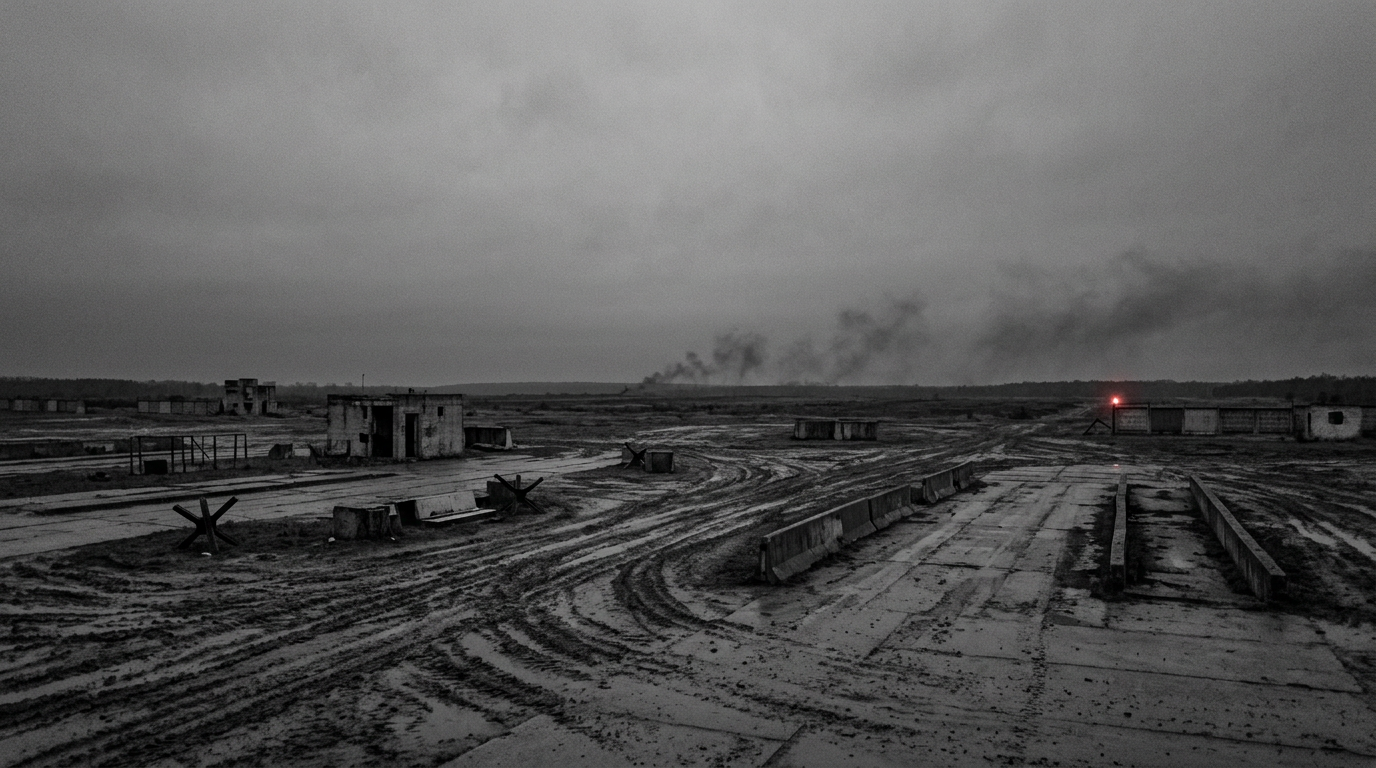
European defense officials recently issued a stark warning, indicating that the continent is currently unprepared to sustain a protracted war of attrition. This assessment, presented by planners working alongside NATO, suggests a significant vulnerability in the alliance's deterrence capabilities. Attendees at a European military coordination conference were informed that a widespread deficit in public readiness contributes to Europe's poor preparedness for any extended, high-intensity conflict. This gap in readiness directly impedes military planners' ability to develop and maintain forces and operations over time, according to the officials.
Shifting Geopolitical Dynamics
Officials highlighted that Russia's ongoing hybrid warfare campaign appears to have strengthened Moscow's strategic standing. This campaign encompasses political influence operations and the rise of pro-Kremlin, far-right political factions in several European nations. Such developments, they noted, further restrict the strategic options available to NATO should a prolonged military engagement occur.
The identified shortfalls include both tangible military equipment, such as existing stockpiles, and a decreasing public willingness to accept the risks associated with casualties. This dual constraint directly impacts crucial defense planning areas, including logistics, ammunition reserves, and the feasibility of long-term troop rotations essential for sustained operations.
Urgent Need for Coordination
The officials characterized these challenges as an erosion of both political resolve and material capacity. They underscored the urgent necessity for enhanced coordination between national authorities and NATO to comprehensively evaluate existing gaps and formulate robust contingency plans. This collaborative effort is considered vital for addressing the identified vulnerabilities.
The capacity of European governments to reverse these concerning trends will serve as a critical test in the coming months. Officials anticipate that the outcomes of these endeavors will substantially influence defense planning, particularly as the continent approaches the winter of 2026. The implications for regional stability and NATO's long-term strategic posture are considerable, potentially affecting the overall security architecture of Europe.
Addressing these shortcomings involves a multifaceted approach, including increased investment in defense infrastructure, re-evaluating industrial production capacities for military hardware, and fostering greater public understanding of geopolitical threats. The discussions pointed towards a strategic imperative to bridge these gaps quickly, given the evolving security landscape. The long-term implications of inaction could weaken Europe's collective defense capabilities and its position on the global stage, making robust responses a priority for policymakers across the alliance.
Future Outlook and Challenges
The warnings from defense officials underscore a broader debate within NATO member states regarding defense spending, military readiness, and the cohesion required to face modern security challenges. The current situation demands not only a review of military assets but also a concerted effort to counter hybrid threats that aim to destabilize European democracies from within. The integration of cyber defense and information warfare strategies alongside traditional military planning becomes increasingly critical in this context.
The ability to project sustained power and deter aggression relies heavily on both material capabilities and political unity. The identified challenges necessitate a unified European response that transcends national interests, focusing on collective security. Future assessments will likely monitor the progress made in addressing these critical deficiencies ahead of the 2026 winter timeline cited by officials, determining the efficacy of current strategic adjustments.