Death Valley Superbloom Transforms Arid Landscape
Death Valley National Park is experiencing its first superbloom in a decade, transforming the arid landscape with vibrant wildflowers after record winter…
Ayla Demirhan ·
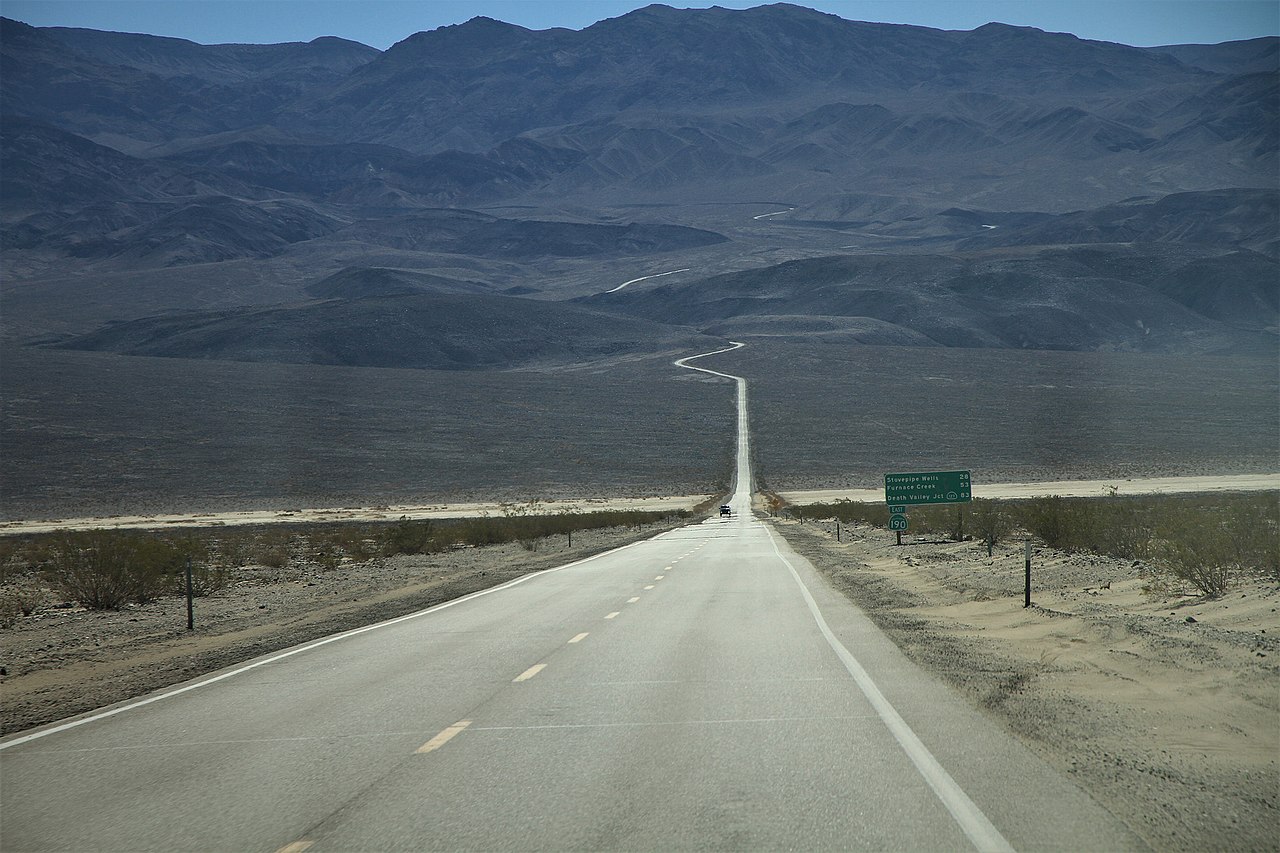
Death Valley National Park in California is currently experiencing a rare superbloom, marking the first such event in ten years. This natural phenomenon, which commenced in late February, has dramatically altered the park's typically barren desert environment into expansive fields of colorful wildflowers, predominantly pink, purple, and yellow hues.
The National Park Service characterizes a superbloom as a widespread display of floral growth, creating broad swaths of color across the landscape, particularly noticeable in the lower elevations of sand, gravel, and rocky terrain. This year's event follows a winter season that delivered an unprecedented amount of rainfall to the region, a critical factor for such extensive botanical activity.
Environmental Conditions for Superblooms
Superblooms are contingent upon a precise combination of environmental factors. These include not only significant rainfall but also the timing and distribution of precipitation, along with consistently mild temperatures. The last recorded superbloom in Death Valley occurred in 2016, highlighting the infrequency of these spectacular displays.
Visitor Influx and Viewing Periods
The current superbloom has drawn a substantial increase in visitors to Death Valley National Park, eager to witness the unusual transformation. Park officials anticipate that the floral displays in lower elevation areas will persist through mid to late March. Following this, the bloom is expected to progress to higher elevations, where wildflowers are projected to flourish from April through June.
Historical Context of Death Valley Blooms
While Death Valley is renowned for its extreme temperatures and arid conditions, it periodically experiences significant wildflower blooms. These events are not annual occurrences but rather depend on specific climatic patterns. The 2016 superbloom, for instance, was also preceded by above-average rainfall, demonstrating a consistent link between precipitation and the scale of floral growth.
Understanding these patterns is crucial for predicting future occurrences and managing visitor expectations.
Ecological Significance and Future Outlook
The ecological impact of a superbloom extends beyond its visual appeal. It provides a temporary boost to the desert ecosystem, supporting insect populations and, consequently, other wildlife. The seeds of these annual wildflowers can lie dormant for years, even decades, awaiting the precise conditions for germination. The current event underscores the delicate balance of desert ecosystems and their capacity for dramatic, albeit temporary, change.
Future superblooms will continue to rely on unpredictable weather patterns, particularly the intensity and timing of winter rainfall.
Implications
Country Impact: The superbloom boosts regional tourism, drawing visitors to Death Valley National Park and surrounding areas, potentially increasing local economic activity through hospitality and related services.
Industry Impact: The tourism and hospitality industries in California, particularly those near Death Valley, experience a temporary surge in demand for accommodations, tours, and park-related services.
Market Impact: While direct market impact is limited, increased visitor traffic can lead to localized economic benefits for small businesses and service providers in the vicinity of the national park.