DDOT clarifies permit deposit rules for street, sidewalk and curb work
The District Department of Transportation’s Permit Deposits guidance on ddot.dc.gov explains when deposits are required for public-space permits, how…
Sophie McAlister ·
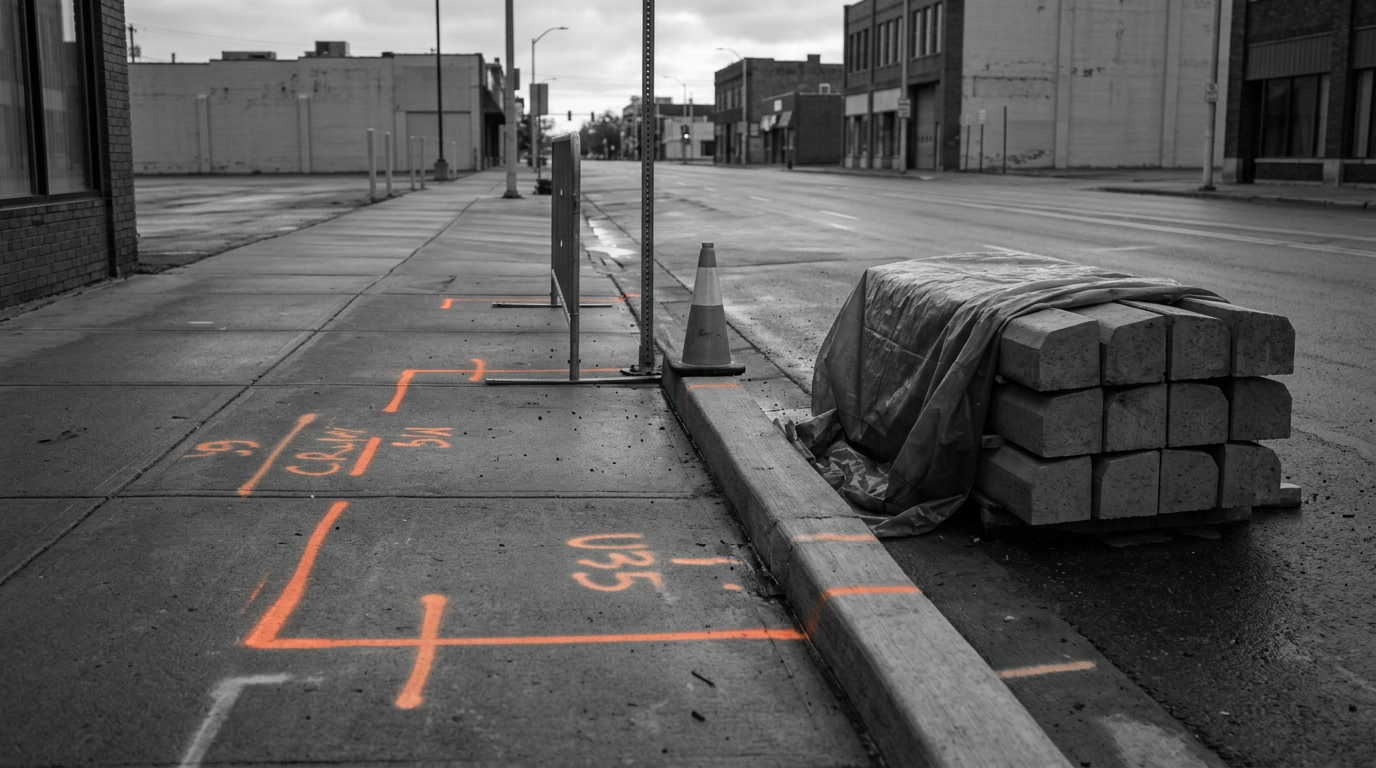
The District Department of Transportation (DDOT) publishes guidance on permit deposits for work that affects public space in Washington, D.C. The agency’s Permit Deposits page, as posted on its official website as of May 12, 2026, lays out when a deposit is required for street, sidewalk, curb, and other right-of-way permits and the basic conditions under which deposits are collected and returned.
DDOT’s guidance is aimed at ensuring that applicants for temporary or long-term use of public space cover potential costs tied to restoring pavements, sidewalks, curbs and other public infrastructure after work is completed. The deposit functions as a financial guarantee while work is underway and typically remains with the agency until final inspection and sign-off by DDOT or a designated inspector.
What deposits are meant to cover
According to DDOT’s Permit Deposits guidance, the primary purpose of a deposit is to cover restoration and remediation costs if an approved permit holder fails to restore public space to required standards. The page notes that deposits may be applied toward repairs, cleanup, or other corrective work paid for by the District if a permit holder does not fulfill its obligations under the permit.
Who needs to post a deposit and when
DDOT’s page identifies categories of permit applicants that commonly must post deposits, including contractors, utilities, and organizers of events that close streets or alter sidewalks and curbs. The agency describes deposit requirements as tied to the type and scope of work, with higher-impact or longer-duration activities more likely to trigger a deposit requirement.
The guidance explains procedural elements such as when deposits are collected—typically before work begins—and the circumstances under which DDOT will retain, reduce or release a deposit. Deposits are held until final inspections confirm that restoration and any required corrective work meet DDOT standards.
Return, forfeiture and appeals
DDOT’s page outlines that deposits are eligible for return after satisfactory completion of work and clearance by inspectors. It also warns that deposits can be forfeited in whole or in part if the permit holder fails to complete required restoration, leaves debris, or violates permit conditions. The guidance points permit holders to procedures for requesting the return of a deposit and provides contact paths for questions or disputes.
Permit deposit rules on the DDOT site are part of the broader permitting framework that governs public-space work across DC neighborhoods. They form a routine compliance checkpoint for public-works contractors, utility companies, and organizers who need to secure access to streets and sidewalks for construction, maintenance or events.
What to watch next: contractors and frequent permit applicants should review DDOT’s Permit Deposits guidance before filing new permit applications, and residents can expect deposit conditions to shape how and when restoration work is completed in their neighborhoods.