DCPSC Pauses Pepco Rate Case and Extends Procedural Schedule
The Public Service Commission of the District of Columbia granted a motion to stay and extended the procedural schedule in Pepco’s pending rate case, pausi…
Sophie McAlister ·
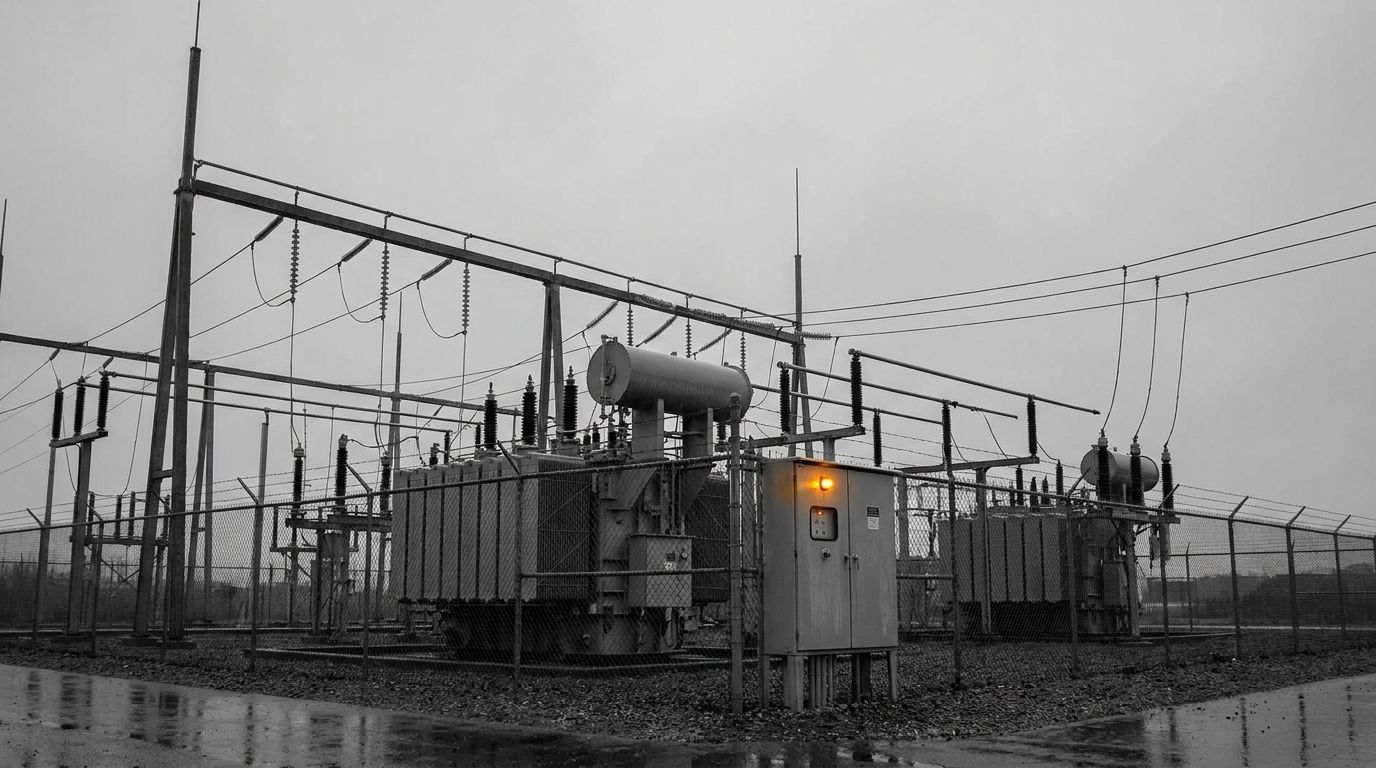
The Public Service Commission of the District of Columbia granted a motion to stay and extended the procedural schedule in a pending Potomac Electric Power Company rate case, pausing upcoming deadlines while the parties work on a revised timeline. The action, announced by the commission this week, temporarily delays the next steps in the utility review that will determine rates for District customers.
Under the commission’s order, the existing procedural schedule is on hold and the parties were directed to confer and submit a revised schedule for the remainder of the proceeding. The stay stops near-term filing and docket deadlines established under the previous calendar until the commission accepts a new timeline.
Pepco, the region’s primary electricity provider within the District, is the subject of the rate review; the commission’s action affects how quickly the case moves toward hearings, evidence exchange, and final determinations on any rate adjustments. The commission is the District’s regulatory body for investor-owned utilities and is responsible for setting deadlines, managing discovery, and ultimately approving or rejecting proposed rate changes.
What the stay does
The stay suspends procedural deadlines set in the earlier schedule and creates a pause point in the docket. During the pause, parties — including Pepco, Office of the People’s Counsel, district agencies, and intervenors — must coordinate to propose a new timetable that will govern rounds of testimony, discovery, and hearings. While the stay does not resolve substantive issues, it reorders the procedural roadmap and gives stakeholders more time to organize filings or negotiate procedural agreements.
How the commission framed the move
The commission characterized the order as a procedural measure designed to ensure an orderly record and to give parties the opportunity to adjust to changed circumstances or to pursue settlement discussions. The stay is a common regulatory tool used to manage docket timing when parties request additional time or when external developments require a revised approach to scheduling.
Rate cases can have direct financial implications for customers and operational implications for the utility. By extending the schedule, the commission has delayed near-term milestones that would have pushed the case toward evidentiary hearings and a final decision. That delay could affect when any approved rate change would take effect for consumers and how quickly proposed tariff changes are considered.
Next steps for the docket
Parties to the case will now work under the stay to file a proposed revised procedural schedule for the commission’s consideration. Once the commission accepts a new timeline, the docket will resume under those updated dates and deadlines. The commission retains the authority to modify the schedule again if circumstances warrant.
Watch for the commission to post the revised schedule to the public docket and for intervenors to update their filing plans; those developments will determine how long the pause lasts and when hearings or final rulings will resume.