DC rent falls as landlords court tenants with deals again
DC rent is dropping faster than the U.S. average, giving tenants more room to negotiate as vacancies rise and concessions spread.
Sophie McAlister ·
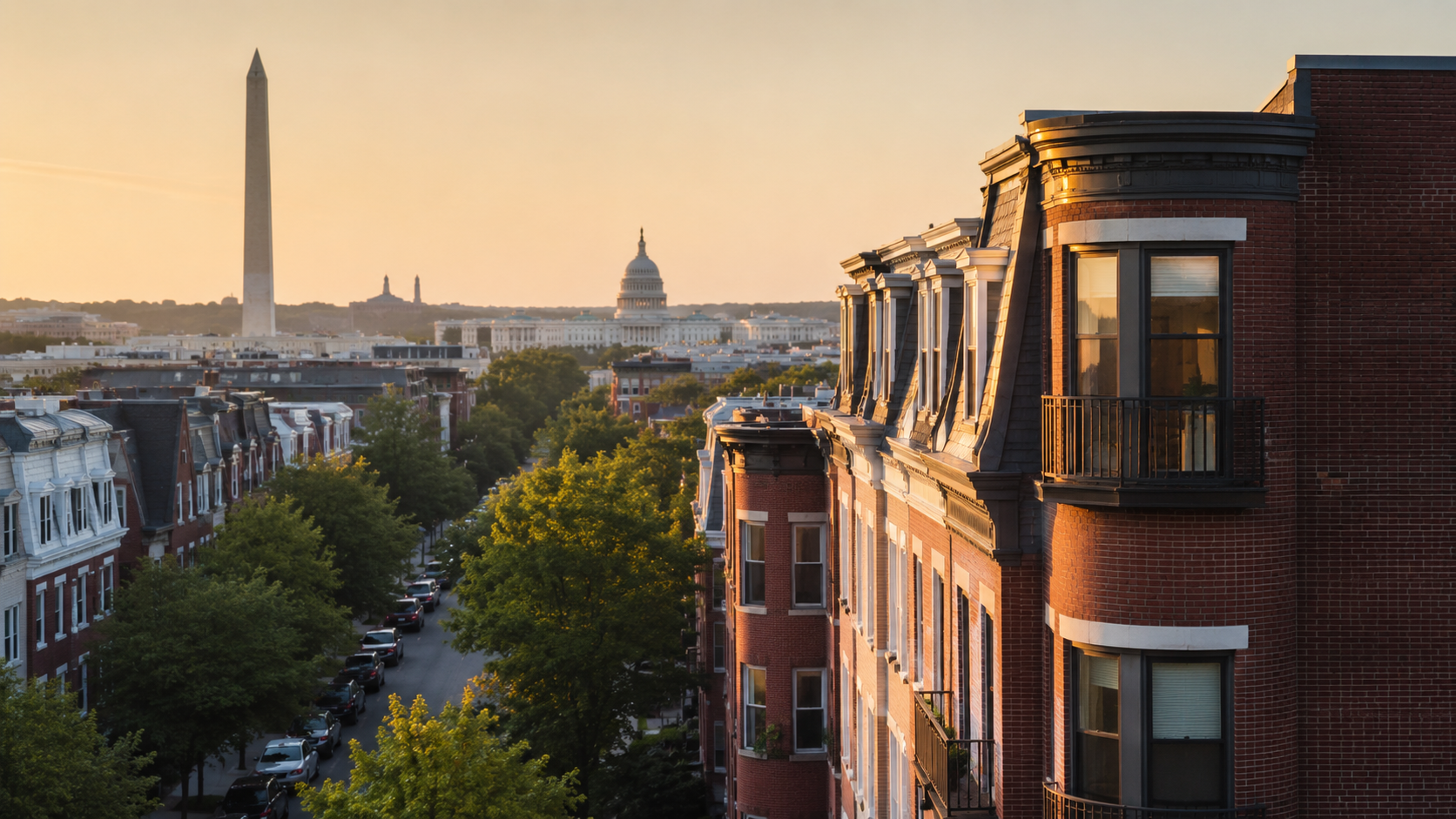
DC rent is falling faster than the national average as vacancies rise and landlords offer concessions. Tenants have more room to negotiate.
The median rent in Washington is $2,113, according to Apartment List data for June 2026. The figure is 4.2% lower than a year earlier, compared with a 1.5% national decline reported by the same source.
Vacancies reshape the rent table
The District’s drop is tied to two pressures arriving at once: a large national wave of new apartments and a local hit to demand from federal job cuts. Apartment List reported that the city’s vacancy rate has moved from roughly 6% to 8%.
That change matters because landlords lose pricing power when more units sit open. In neighborhoods with newer buildings and heavy leasing competition, owners often choose discounts or free-rent periods rather than publish deeper headline rent cuts.
The supply story is national, but Washington is feeling it locally. The source data says the country completed more apartments in 2024 than in any year since 1986, leaving a pipeline of new units still working its way through lease-up campaigns.
Navy Yard offers sharpen
Concessions are now a central feature of the District’s rental market. Close to 60% of local listings are offering some form of deal, according to the source data, giving renters a practical opening at renewal time or during a move.
The most aggressive offers appear in waterfront submarkets where new buildings cluster together. In Navy Yard and Buzzard Point, some properties are advertising as much as four rent-free months to attract tenants and stabilize occupancy.
For renters, the mechanics are straightforward. A building with open units may prefer a concession, a parking credit or a lower renewal increase over losing a tenant and carrying another vacant apartment through the summer leasing season.
Supply pressure meets federal cuts
Washington’s rental market is more exposed than many cities to federal employment because government payrolls and contractor income help support housing demand across the region. The reported federal job cuts add a local demand shock on top of the broader supply cycle.
If the vacancy rate stays near 8%, landlords may keep offering concessions to protect occupancy, which would support tenant leverage in the near term. That path would weigh on rent growth in Washington, pressure apartment owners’ revenue and keep competition elevated across new multifamily buildings.
If national rent growth keeps firming after two straight monthly increases, the negotiating window could narrow. In that case, broader inflation pressure from shelter costs would matter more for the macro picture, while Washington landlords could pull back on concessions once empty units are absorbed.
The open question is how quickly demand recovers and whether the new-apartment pipeline clears before landlords regain pricing power. For tenants in Dupont Circle, Navy Yard, NoMa or Buzzard Point, the next lease conversation may be the clearest test of that shift.