District lays out guidance for managing urban wildlife and resident reports
The District of Columbia maintains a Wildlife Management resource that explains how residents can avoid conflicts with urban animals, report concerns, and …
Sophie McAlister ·
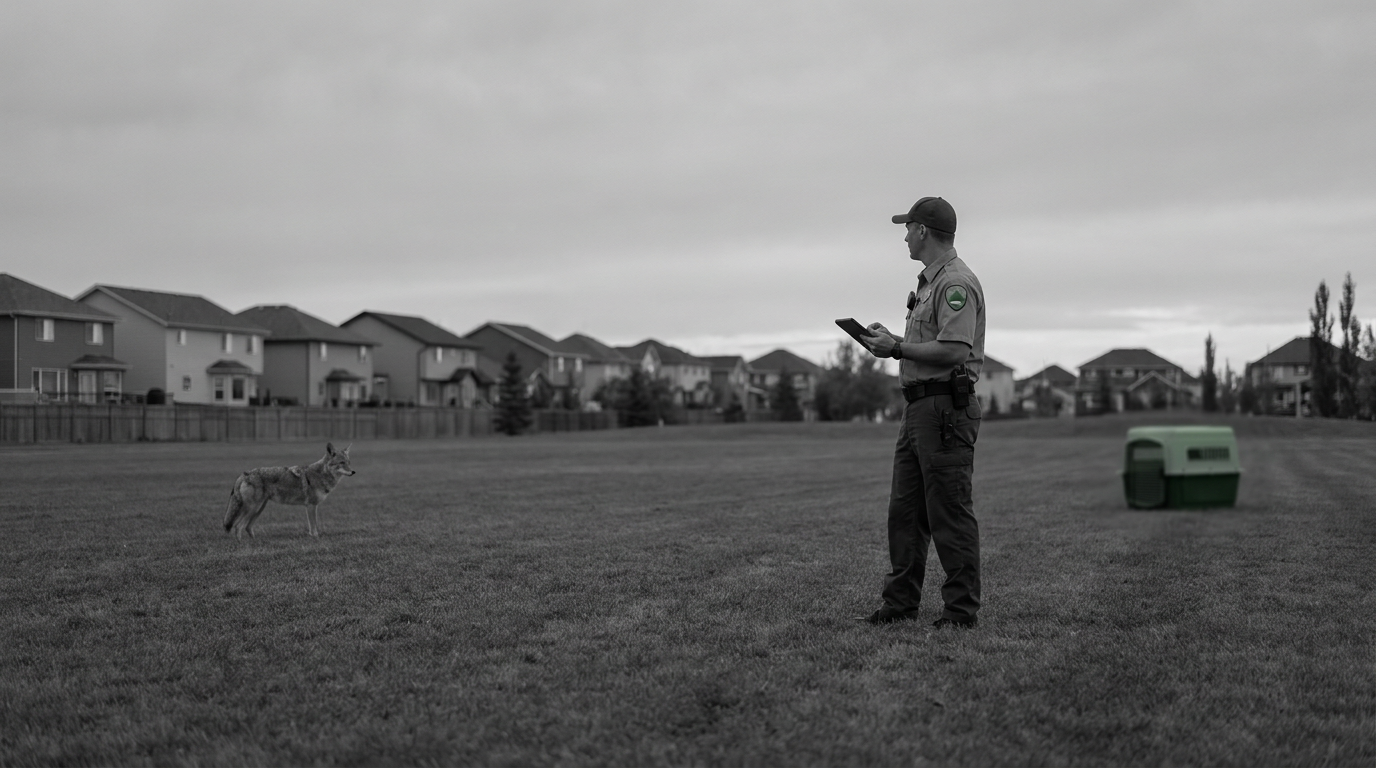
The District of Columbia government maintains a Wildlife Management resource that explains how residents and city agencies should handle encounters with urban wildlife across neighborhoods and parks. The guidance outlines prevention steps, safe interaction practices, and the avenues residents can use to report nuisance or injured animals.
The page emphasizes nonlethal prevention measures for common urban species and offers practical advice for minimizing attractants around homes and public spaces. It also clarifies which situations the District will respond to directly and when residents should contact specialized services—particularly for sick, injured, or potentially dangerous animals. The guidance aims to reduce human-wildlife conflicts while protecting public health and animal welfare.
Practical prevention and coexistence tips
The resource lists actions residents can take to lower the chance of encounters, such as securing trash, removing food sources, and maintaining property to make it less attractive to animals. It stresses that changing human behavior is the primary tool for reducing conflicts in urban settings and suggests simple habitat modifications and exclusion techniques that apply to homes, yards, and shared open spaces.
Reporting, response, and public safety
The District clarifies how to report wildlife concerns and which scenarios warrant immediate attention from city services. Guidance distinguishes between nonurgent nuisance issues—where prevention and homeowner measures are preferred—and urgent threats involving injuries, visible disease signs, or safety risks. It also outlines the roles of municipal teams and partner agencies in handling live animal removal, rehabilitation, or disposal when necessary.
The resource provides readers with steps to take if they find an injured animal, encounter aggressive behavior, or suspect a rabies exposure; it also describes the limits of what municipal teams can and cannot do, encouraging residents to seek licensed wildlife professionals for private property removals when appropriate. Educational materials and links aimed at residents, property managers, and community groups are included to support neighborhood-level prevention efforts.
The District's approach frames wildlife management as a mix of resident responsibility, municipal services, and public-health considerations. Officials present prevention as the most effective long-term strategy, paired with guidance on safe reporting and response when animals pose a danger or are clearly injured.
Watch for updates from the District on outreach campaigns or changes to response protocols, especially during seasonal periods when wildlife activity typically rises.