DC.gov events calendar: how to find city meetings, workshops and public programs
Find city-run events in the District’s official calendar. Filter agency meetings, public hearings, and community programs by topic or location.
Sophie McAlister ·
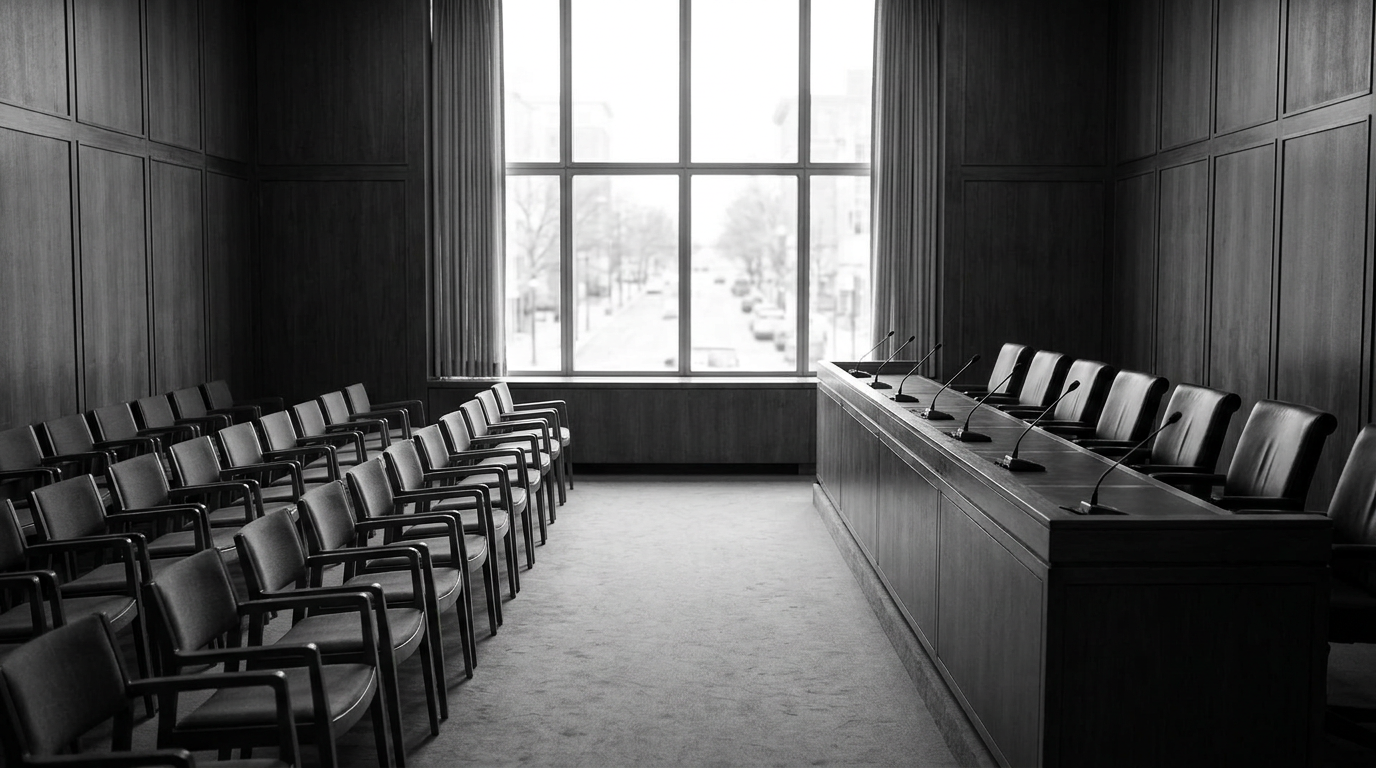
The city maintains an official events calendar that aggregates public meetings, agency hearings, community workshops and cultural programs taking place across Washington, D.C. The calendar is searchable and filterable by date, agency, topic and neighborhood, and includes both in-person and virtual offerings listed by city departments and partner organizations.
Residents and reporters use the calendar as a primary schedule for city-run activity: everything from Council committee hearings and agency rulemaking sessions to neighborhood cleanups, public health clinics and library events appear on the page. Each listing generally includes a date, time, location, how to register or join virtually and a contact for questions, allowing users to confirm details without contacting multiple offices.
The calendar groups events by agency and topic, which helps people track items relevant to their interests — for example transportation planning updates in Northwest neighborhoods, affordable housing hearings affecting Anacostia and planning workshops in Ward 6. Listings also call out virtual options and accessibility details where agencies have provided them, making it easier for residents who cannot attend in person to participate.
How the calendar is organized
Entries are categorized by the city office or agency that hosts the event. Users can filter to show only meetings from oversight bodies, such as the Council or quasi-independent boards, or to surface community-facing programs like recreation center schedules and public workshops. When agencies post materials or agendas, the calendar often links to those documents so residents and journalists can review the background before attending.
The calendar is updated by agency staff when events are scheduled or changed. Because listings come from multiple municipal offices, times and venues can shift; the calendar page is intended as the authoritative city-maintained schedule, but residents should still check event pages for last-minute updates or registration requirements.
Neighborhood and civic use cases
Neighborhood leaders, community activists and local reporters frequently monitor the calendar to find public hearings and comment deadlines that affect zoning, transportation and housing decisions. Cultural institutions and nonprofit groups often list city-collaborative events there as well, creating a single reference point for civic life across wards and neighborhoods.
The calendar also helps small-business owners and residents plan around city-run events that affect traffic, block access or generate crowds, such as street festivals and temporary permitting for food truck zones. It serves as a baseline for determining when to contact agencies about event logistics or to request reasonable accommodations.
Looking ahead, expect the city calendar to be a primary resource for tracking upcoming Council committee schedules and agency public comment windows during the budget and zoning cycles. Residents should subscribe to notices or check listings regularly during active policy periods.