DC.gov’s Events Calendar: The District’s Central Listing for City and Community Programs
Find city-run programs, public meetings & community events on the official DC.gov events calendar. Your central resource for local civic activity.
Sophie McAlister ·
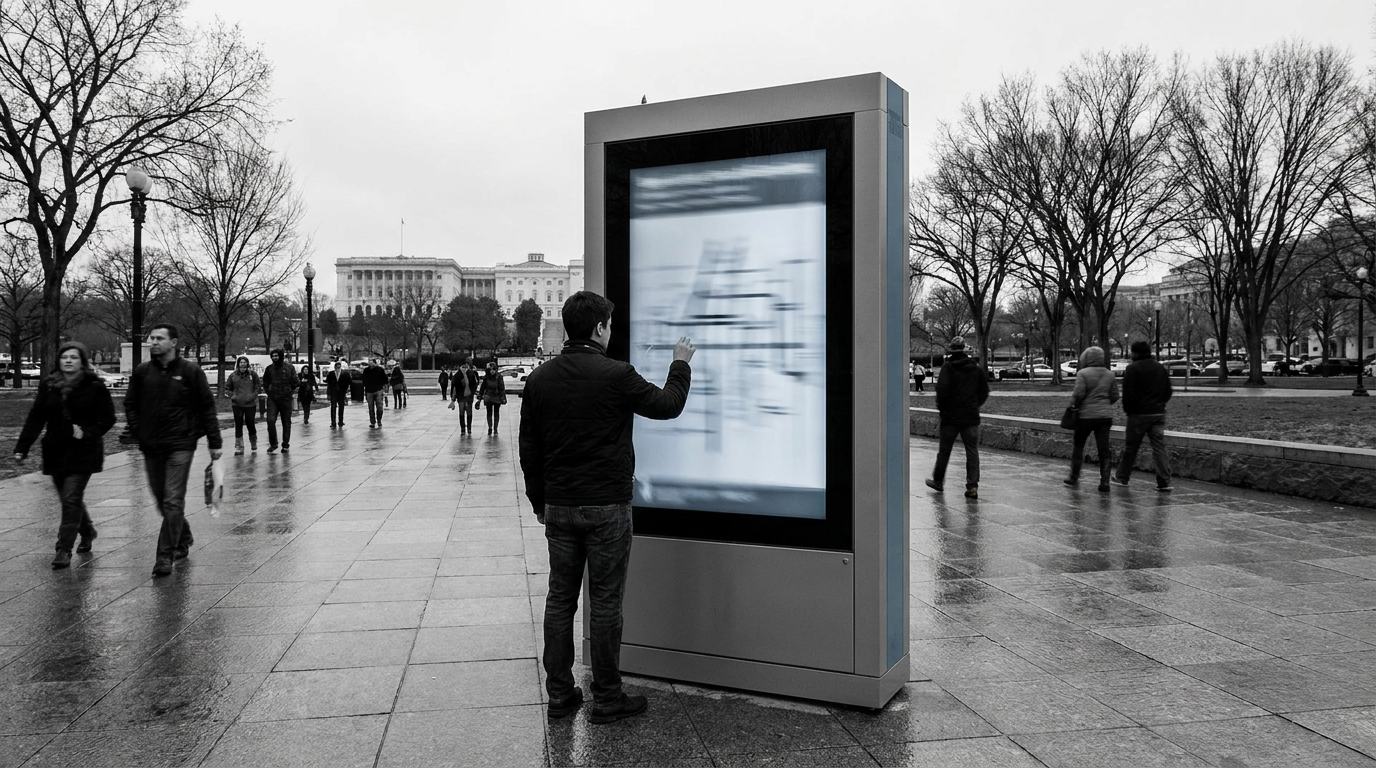
The District of Columbia’s official website hosts a public events calendar that aggregates upcoming city-run programs, public meetings and community events across the city. The calendar is available on dc.gov and is intended to provide residents, community groups and visitors with a single place to find dates, times and locations for local programming.
Managed by the District government, the online listing brings together events organized by city agencies and community partners. Entries on the calendar include basic logistical information and short descriptions so residents can plan attendance or follow up with hosting agencies for more detail. The calendar covers programming citywide, spanning neighborhoods from Anacostia to Georgetown.
The calendar functions as a civic utility for multiple local audiences. Residents use it to find neighborhood meetings, public hearings, cultural performances and public workshops. Local reporters and community organizations rely on the listing to spot official events and confirm schedules. City staff and partner organizations use the official listing as a public-facing way to broadcast openings, consultations and outreach efforts.
How residents and reporters use the calendar
For residents, the calendar reduces the friction of discovering local programming by centralizing details that otherwise sit across dozens of agency pages and neighborhood newsletters. For journalists, the listing is a starting point to monitor public meetings, hearings and city-run events without visiting multiple agency sites. Community groups often check the official calendar to avoid scheduling conflicts and to identify outreach opportunities with city agencies.
What this means for local organizers
Having a single, official events hub raises the visibility of city programs and makes it easier for small community groups to reach audiences. It also helps city planners and neighborhood leaders coordinate schedules around major civic dates. The calendar does not replace neighborhood newsletters or business improvement district postings but complements them by providing the District’s authoritative event notices.
Look for the calendar to reflect heightened activity around seasonal festival schedules, public hearings and agency outreach campaigns. Residents and organizers should consult the page regularly for updates and confirm details with event hosts before attending.