Plan to remake historic D.C. public golf course raises cost, preservation and access concerns
A newly unveiled proposal from the Trump administration to turn one of Washington’s oldest public golf courses into a championship-style destination has…
Sophie McAlister ·
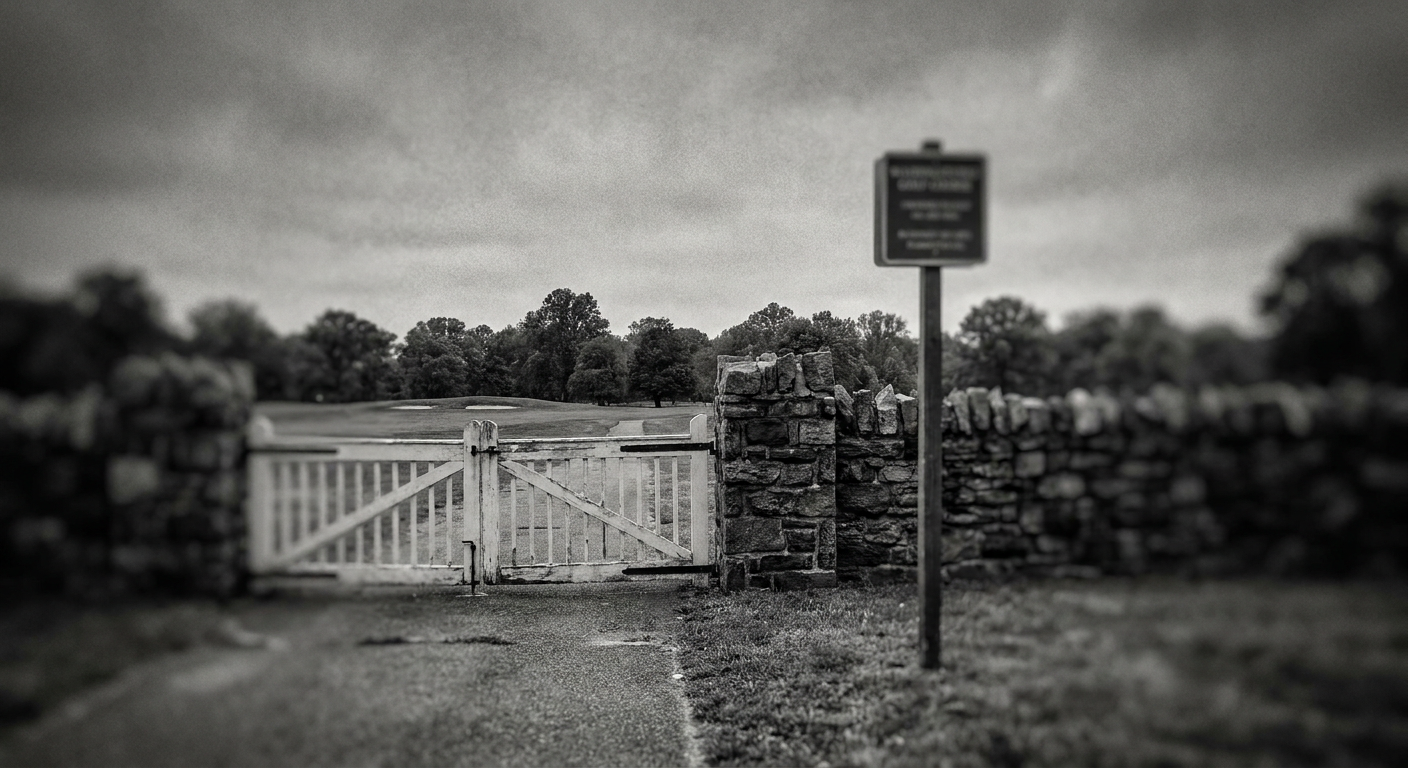
The Trump administration has rolled out a plan to transform one of Washington, D.C.’s oldest public golf courses into a championship-style destination, a proposal that has drawn national attention and local scrutiny. The proposal was released recently and outlines upgrades and a new vision for the site that city residents have long used as public open space.
City advocates, historic preservationists and neighborhood groups have raised concerns about how the changes would be funded, whether the site’s historic character would be preserved, and whether everyday residents would lose affordable public access to the course. Officials behind the plan say the redesign aims to boost prestige and attract larger events.
Proponents argue that higher-profile programming and facility upgrades could increase tourism and economic activity around the parkland, while critics warn that turning a municipal recreation asset into a championship venue risks shifting control and access toward private interests. The debate echoes broader tensions in Washington over the future of public land and how to balance investment with community use.
What the proposal would change
The outline accompanying the proposal describes substantial physical upgrades intended to meet championship standards, including course renovations and amenities to support large events. The plan frames the changes as a way to elevate the course’s profile, but it does not yet specify final funding sources or the precise timeline for construction.
Public officials and planners will need to resolve whether upgrades are financed through city budgets, private partnerships, or a mix of both. Each funding path carries different implications for oversight, long-term maintenance responsibilities and whether the course remains primarily a public asset.
Local reaction and preservation questions
Local preservation advocates emphasize the course’s history and its role as one of the city’s longstanding public recreation spaces. They have pressed for clearer guarantees that historic features and public-access policies would be protected if renovations proceed. Community groups are also seeking transparent cost estimates and assurances that neighborhood residents will not be priced out of using the site.
Officials have said public input will be part of the next steps, but community leaders want firm commitments before design or contract decisions move forward. The discussion is expected to involve city agencies, neighborhood associations and preservation bodies as the plan progresses through public-review stages.
Whether the proposal advances will depend on funding decisions, the outcome
of public hearings and any required approvals from city planning or preservation boards.
If the plan moves ahead, construction and operational
changes could take multiple years to complete.
Watch for scheduled public comment periods, council briefings and any formal proposals that spell out funding sources and access guarantees as next steps in the process.