Cuba Threatens US With "Bloodbath" Amid Tensions
Cuba's President Miguel Díaz-Canel warns the US of severe repercussions, including a "bloodbath," if military aggression is pursued.
Lauren Collins ·
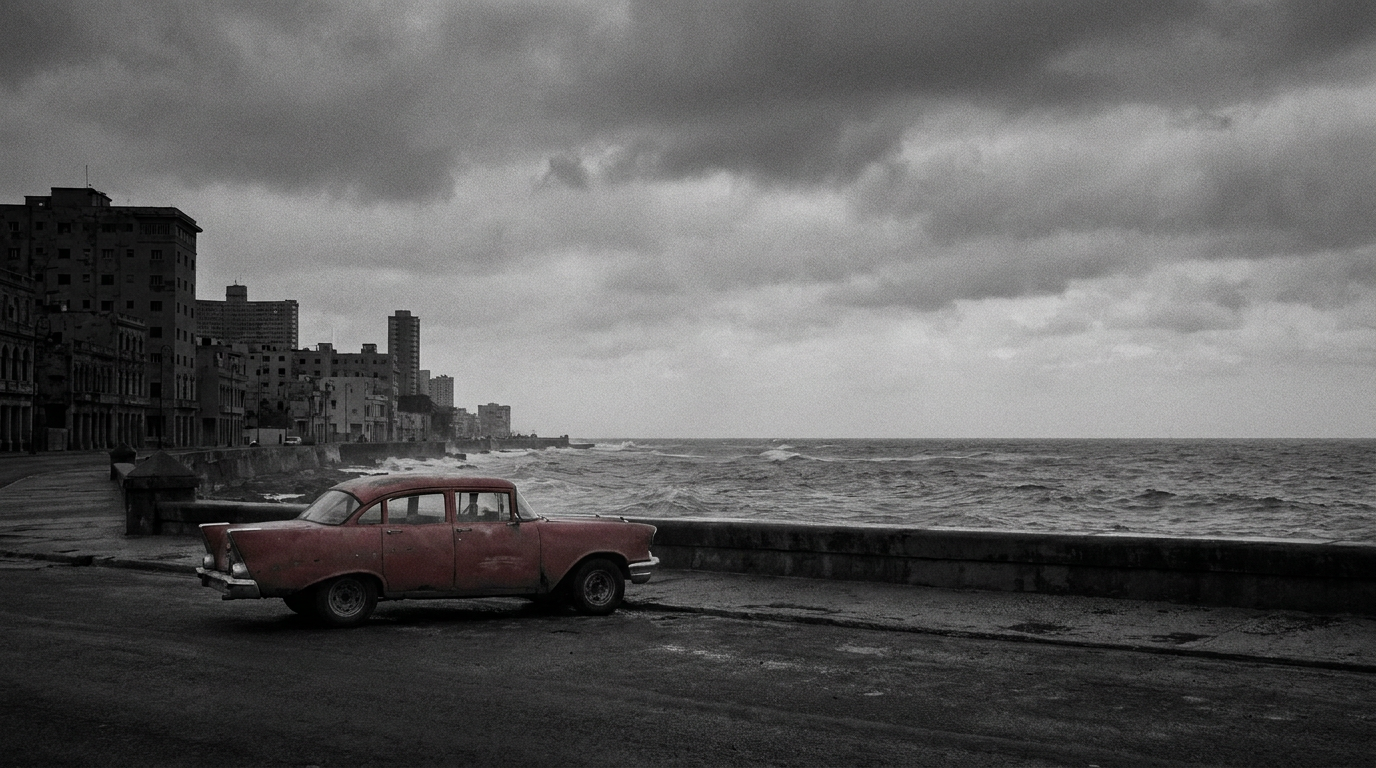
Cuban President Miguel Díaz-Canel has issued a severe warning to the United States, stating that any military action against the island nation would result in a catastrophic "bloodbath." The forceful statement, disseminated via social media, underscored the dire consequences of perceived threats from the U.S., labeling them as international crimes.
Escalating U.S.-Cuba Tensions
The current friction between Washington and Havana has intensified significantly, particularly following the Trump administration's "maximum pressure" policy aimed at fostering regime change in Cuba. This policy has manifested in actions that directly impact Cuba's access to vital resources.
Recent U.S. actions, including the assertion of control over Venezuelan oil production and the obstruction of oil shipments from other nations, have crippled Cuba's already precarious energy infrastructure. These moves were part of a broader strategy, with former President Trump previously suggesting a desire to exert complete control over the island.
The White House has largely echoed Trump's sentiment, with officials suggesting a focus on Cuba's internal struggles and offering U.S. assistance in the event of national failure. This stance has contributed to a climate of heightened mistrust and anticipation of further U.S. actions.
Intelligence Reports and Potential Pretexts
Adding a new layer of concern, reports have emerged suggesting that Cuban intelligence officers believe the island has acquired over 300 military drones. Discussions are reportedly underway regarding potential attacks targeting significant U.S. interests.
These potential targets include the U.S. naval base at Guantánamo Bay, military vessels, and even civilian areas like Key West, Florida. Intelligence assessments indicate that such reports could be leveraged by the U.S. as a justification for initiating military strikes against Cuba.
The situation remains volatile, with both nations engaged in a dangerous exchange of rhetoric and actions. The implications of further escalation could be devastating for regional stability and international relations.
Cuba's defiant stance highlights its determination to resist perceived external interference and asserts its sovereign right to self-determination. The coming weeks will be critical in observing whether diplomatic channels can de-escalate the situation or if rhetoric gives way to more direct confrontation.