CSIS Capital Cable #134: Economic Impacts of an Iran War and Policy Stakes for DC
The Center for Strategic and International Studies released Capital Cable episode 134 this week, exploring how a war involving Iran could ripple through…
Sophie McAlister ·
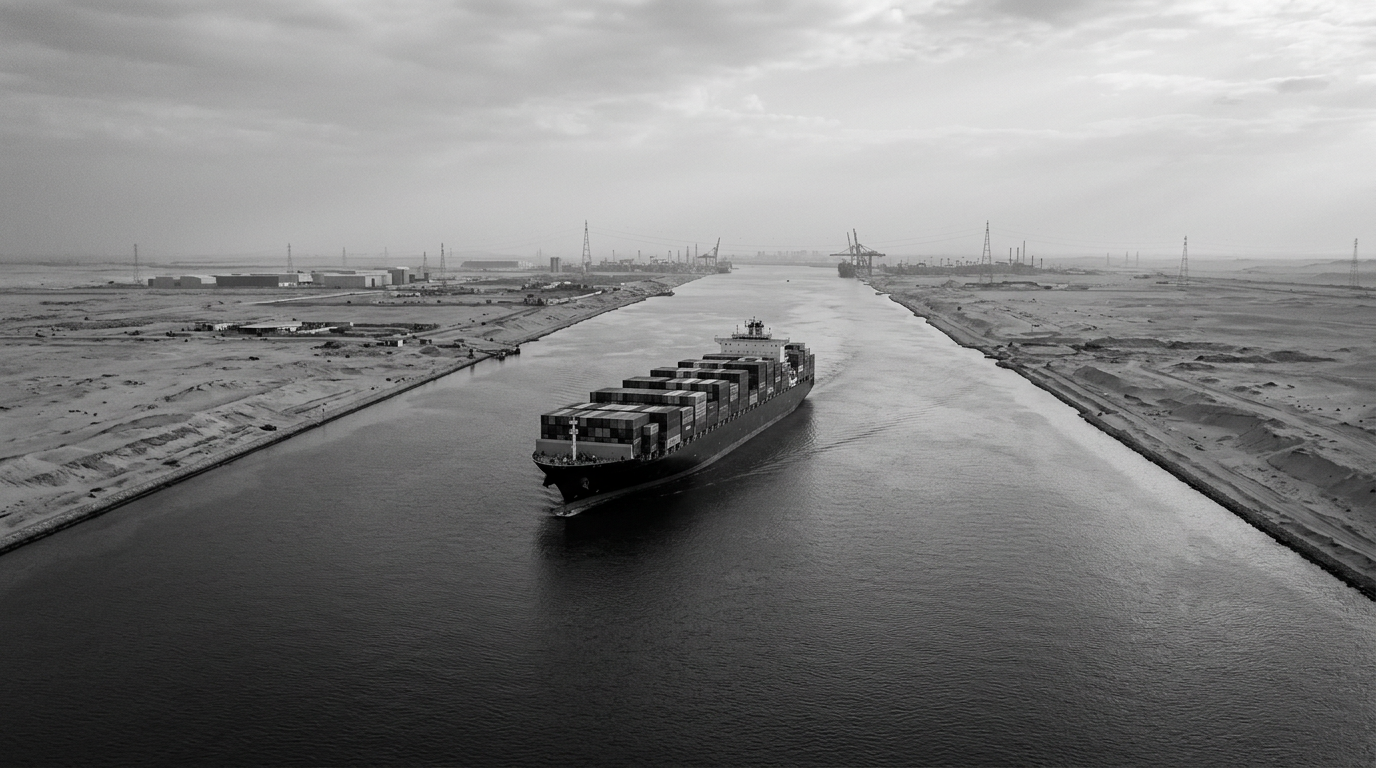
The Center for Strategic and International Studies released episode 134 of its Capital Cable series this week, titled "Economic Impacts of Iran War." The program brings CSIS analysts together at the think tank's Washington campus to examine how armed conflict involving Iran could affect energy markets, shipping routes, sanctions regimes and the broader global economy.
The episode frames the issue as a set of economic shock channels rather than a single outcome: disruptions to oil and gas flows through the Persian Gulf; rising insurance and freight costs for ships transiting the Strait of Hormuz and nearby waters; secondary effects on global energy prices and inflation; and the increased difficulty of enforcing and unwinding sanctions against Iran and third-party actors.
Hosts and analysts outline how these channels can cascade. A spike in shipping costs and rerouted cargoes would raise the price of imported goods and raw materials, while higher energy prices could feed into transportation and manufacturing costs worldwide. Financial firms and insurers could also face higher losses and risk premiums, complicating payments and trade finance for affected firms and governments.
Key economic channels the episode highlights
CSIS speakers emphasize four primary mechanisms through which conflict could translate into economic pain: the immediate shock to oil and liquified natural gas supplies, interruptions to commercial shipping and ports, the broader impact on global commodity and insurance markets, and the secondary effects on sanctions, trade finance and supply chains. The podcast presents these as interconnected risks rather than isolated disturbances.
Analysts note the particular vulnerability of markets to even short-lived bouts of instability in the Persian Gulf, given the region's outsized role in hydrocarbon exports and the concentrated maritime chokepoints. They also discuss how uncertainty in financial markets — including commodity traders and insurance underwriters — can amplify price swings and delay recovery.
Implications for policymakers in Washington
The episode underscores why this subject matters to Washington policymakers and staffers. CSIS frames the discussion for an audience that includes congressional offices, federal agencies and defense and economic-policy advisors who must weigh contingency planning, sanctions design and diplomatic levers. The analysis suggests that economic fallout would require cross-agency coordination across the State Department, Treasury, Commerce, and Defense, as well as close consultation with allies and private-sector stakeholders in shipping and insurance.
Beyond immediate crisis responses, the conversation addresses longer-term policy questions for U.S. decision makers: how to stabilize energy markets, how to calibrate sanctions to limit unintended collateral damage, and how to shore up supply chains critical to civilians and defense logistics. CSIS frames these as planning and policy design problems that demand both technical and diplomatic work in Washington.
The episode also points to the role of private-sector actors based in the capital — law firms, consultants, insurers and trade associations — in advising both industry and government on contingency measures, compliance risks and market responses.
CSIS presents this episode as a primer for officials and advisors weighing the economic trade-offs and policy responses that would accompany any escalation involving Iran. The program foregrounds analysis rather than advocacy, aiming to map risks and response options rather than prescribe a single policy path.
What to watch next: policymakers in Washington will be monitoring commodity-price moves, insurance-market signals and any Congressional or interagency briefings that follow. CSIS and other think tanks are likely to publish additional briefings and memos as events evolve.