Crypto bill faces ethics fight before Senate recess vote
A crypto bill vote looks increasingly uncertain before the Senate’s summer break as ethics language over presidential digital-asset profits remains unresolved.
Jason Kwon ·
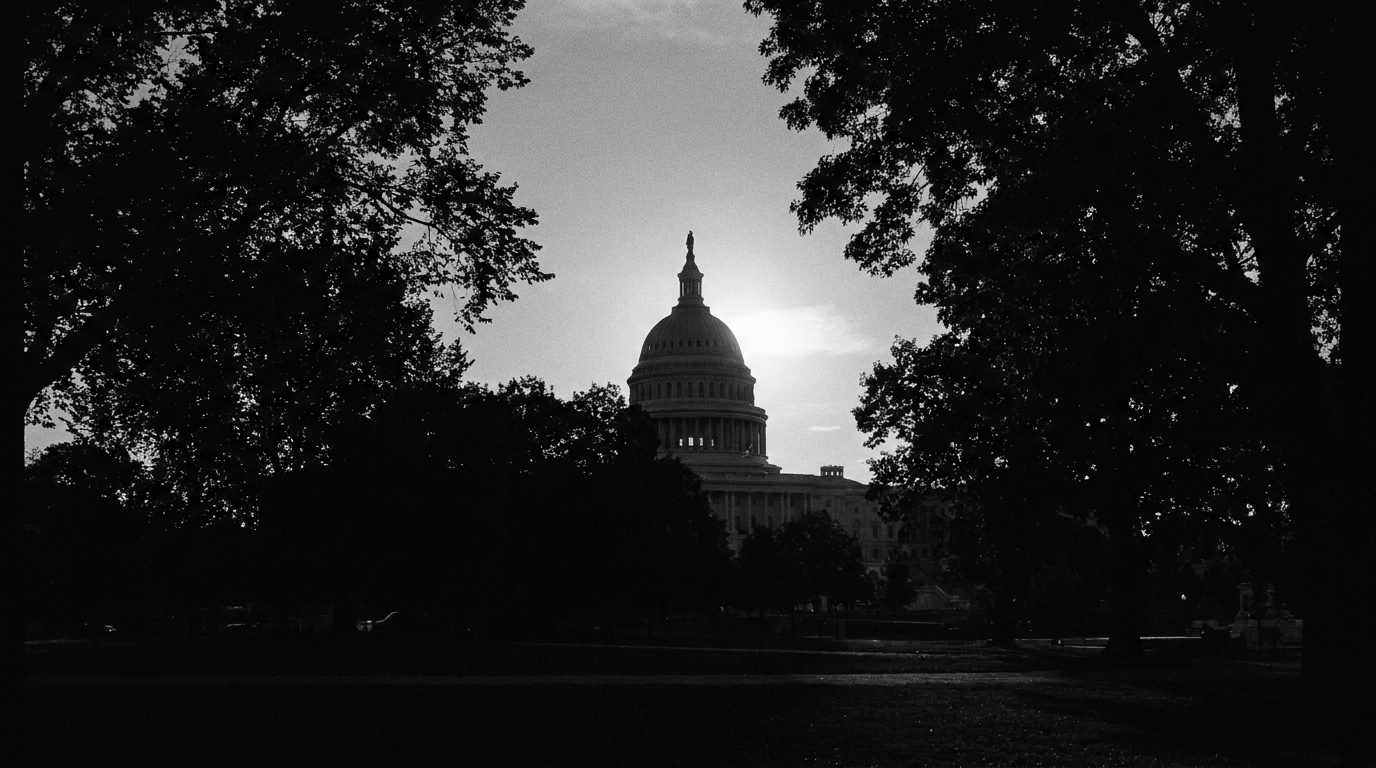
A crypto bill vote is slipping in the Senate as ethics language over presidential digital-asset profits clouds the industry’s pre-November push.
The measure is described by industry backers as their top legislative priority, but Senate leaders have not yet put a vote on the floor. The timing matters because the sector wants action before November, when it expects to deploy millions of dollars in political spending.
Senate calendar tightens quickly
The immediate problem is procedural and political: senators are nearing the summer exit without agreement on several disputed points. The source account did not identify the bill by name, give a floor date, or specify which leaders would decide whether to bring it up.
Sen. Thom Tillis, R-N.C., framed the schedule as highly constrained if the chamber leaves on time. As he put it, "if we were getting out on schedule [this afternoon], I think [a vote] would be a moonshot at this point."
Tillis left one narrow opening. "But there’s still a chance if we’re going to be delayed, particularly if we have to go into next week," he added.
White House feedback shapes ethics fight
The sharpest unresolved issue cited in the source is how the legislation would limit President Trump’s ability to benefit financially from digital assets. That puts crypto policy inside a broader ethics debate rather than a purely market-structure fight.
Tillis said the White House has "given us some feedback" on the latest bipartisan ethics language drafted by senators. The source did not describe the content of that response, so its effect on the bill cannot be stated as a settled fact.
That distinction matters for investors and crypto companies watching the process. A floor vote requires not only leadership time but enough agreement that the bill will not be overtaken by objections over presidential profit restrictions.
Industry spending depends on timing
The crypto industry’s political calculus is unusually time-sensitive. According to the source, the sector needs a Senate vote before November so it can direct millions of dollars into campaign activity with a clearer legislative scoreboard.
A vote before the summer break would give the industry a concrete result to cite in its political messaging. A delay would leave advocacy groups spending against uncertainty, with senators still split over the core ethics terms attached to the bill.
The company-level impact is not named in the source because no individual firm is identified. For exchanges, token issuers and crypto infrastructure businesses as a group, the mechanism is still clear: legislation can define compliance burdens, political risk and the durability of business models tied to U.S. market access.
Three paths now matter
If Senate leaders keep the chamber in session into next week and the ethics language satisfies enough members, the bill could still reach a vote. That would give the crypto sector a clearer policy signal, reduce near-term legislative ambiguity for affected businesses and show global markets that U.S. digital-asset rules can move through Congress despite partisan pressure.
If the chamber leaves without action, the industry’s pre-November strategy becomes harder to execute. Macro effects would likely be limited without a final law, but the signal to global capital would be that U.S. crypto regulation remains fragmented; for companies, the result would be more lobbying expense and less certainty around future rules.
If the White House feedback leads senators to rewrite the ethics proposal, the bill could survive but lose time. That path would test whether digital-asset legislation can separate market rules from questions about President Trump’s personal financial exposure, a distinction the wider industry needs if it wants a stable federal framework.
The open questions are specific: whether Senate time extends into next week, whether bipartisan ethics language holds, and whether leaders judge the vote worth the floor risk. Until those answers arrive, the crypto bill remains less a market catalyst than a calendar problem.