Crude Oil Prices Fall on Hormuz Shipping, Iran Deal Hope
Crude oil prices declined amid signs of easing Mideast tensions, as hope for a nuclear deal and new shipping plans in the Strait of Hormuz buoyed markets.
Atlas Newsdesk ·
Geopolitical Optimism Triggers Market Shift
Crude oil prices declined amid signs of easing Mideast tensions, as hope for a nuclear deal and new shipping plans in the Strait of Hormuz buoyed markets. The developments suggest a potential de-escalation that could restore stability to a vital global energy corridor.
Investor sentiment improved following comments from U.S. President Donald Trump, who characterized recent discussions with Tehran as “very positive.” This came after Washington submitted its formal response to Iran's latest proposal aimed at resolving their longstanding conflict.
Oil and Currency Markets React
The impact was most pronounced in energy markets, where Brent crude futures experienced a significant drop. The international benchmark fell by as much as 2.4%, reaching a low of $105.55 per barrel before recovering some of its losses later in the session.
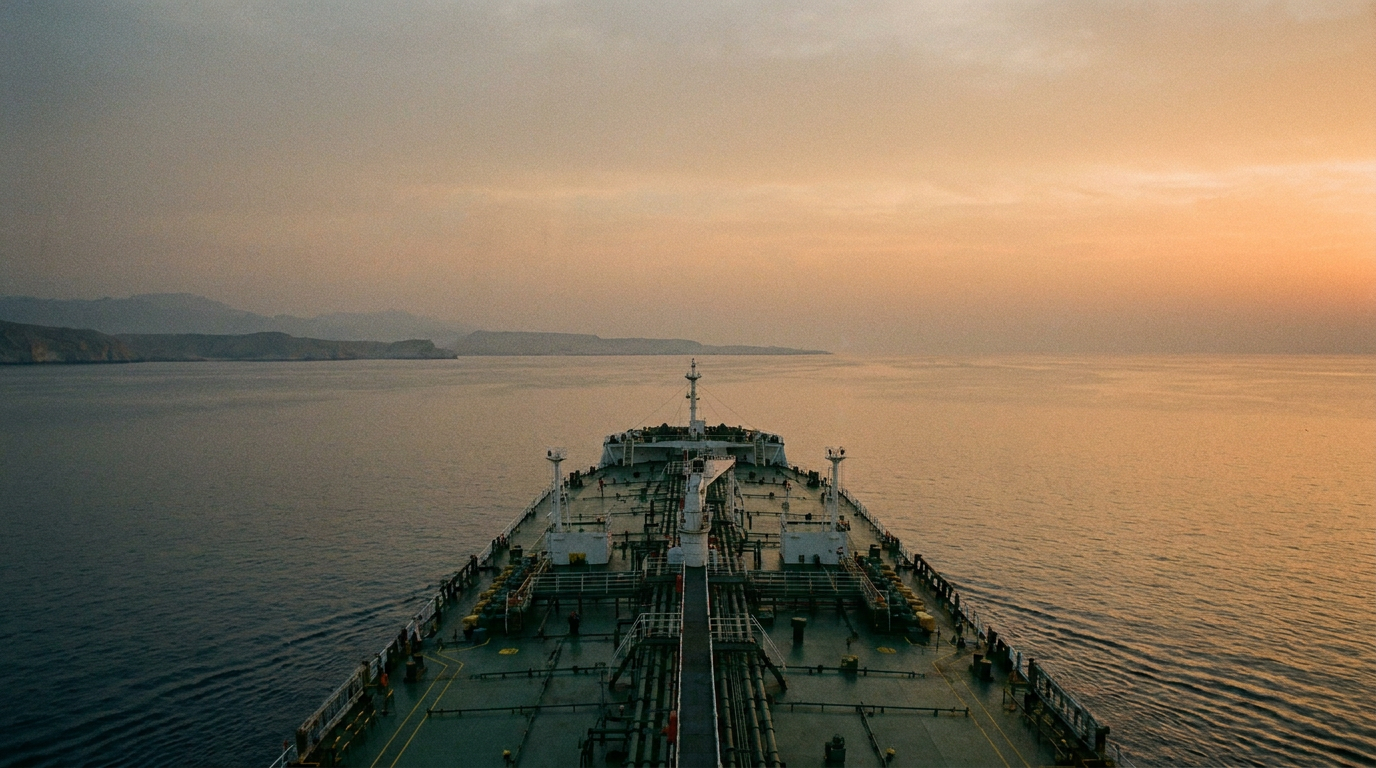
This price movement directly reflects anxieties over the Strait of Hormuz, a chokepoint through which a substantial portion of the world's oil supply travels. Any disruption in this strait typically sends prices soaring, while prospects of smoother transit have the opposite effect.
In currency markets, the U.S. dollar weakened against most of its major counterparts as improved risk appetite reduced demand for the safe-haven currency. Elsewhere, the Japanese yen showed strength, firming to 156.84 per dollar, reportedly following market intervention by Japanese authorities on Thursday.
New Maritime Strategy and Diplomatic Overtures
Adding to the positive sentiment, President Trump announced that the United States will start guiding ships not directly involved in the conflict through the Strait of Hormuz. This operational change, set to begin on Monday, is intended to ensure safe passage and maintain the flow of commerce.
The combination of diplomatic overtures and a concrete maritime strategy has provided a glimmer of hope for a resolution. The positive tone from the White House regarding the negotiations with Tehran suggests a potential pathway to a deal, although significant hurdles remain.
Further market reactions included a modest 0.1% climb in S&P 500 Index futures during early trading. Meanwhile, U.S. Treasury futures advanced, though cash trading was paused due to public holidays in London and Tokyo, indicating a wait-and-see approach from bond investors.
Market participants are now closely monitoring for tangible actions to support the optimistic rhetoric. The successful implementation of the new shipping guidance and any corroborating statements from Tehran will be critical in determining whether the current market relief is sustained.