VA Union Contract Reinstated by Federal Court Order
A federal court on March 13, 2026, reinstated the VA's collective bargaining agreement with AFGE/NVAC, covering over 320,000 employees.
Lauren Collins ·
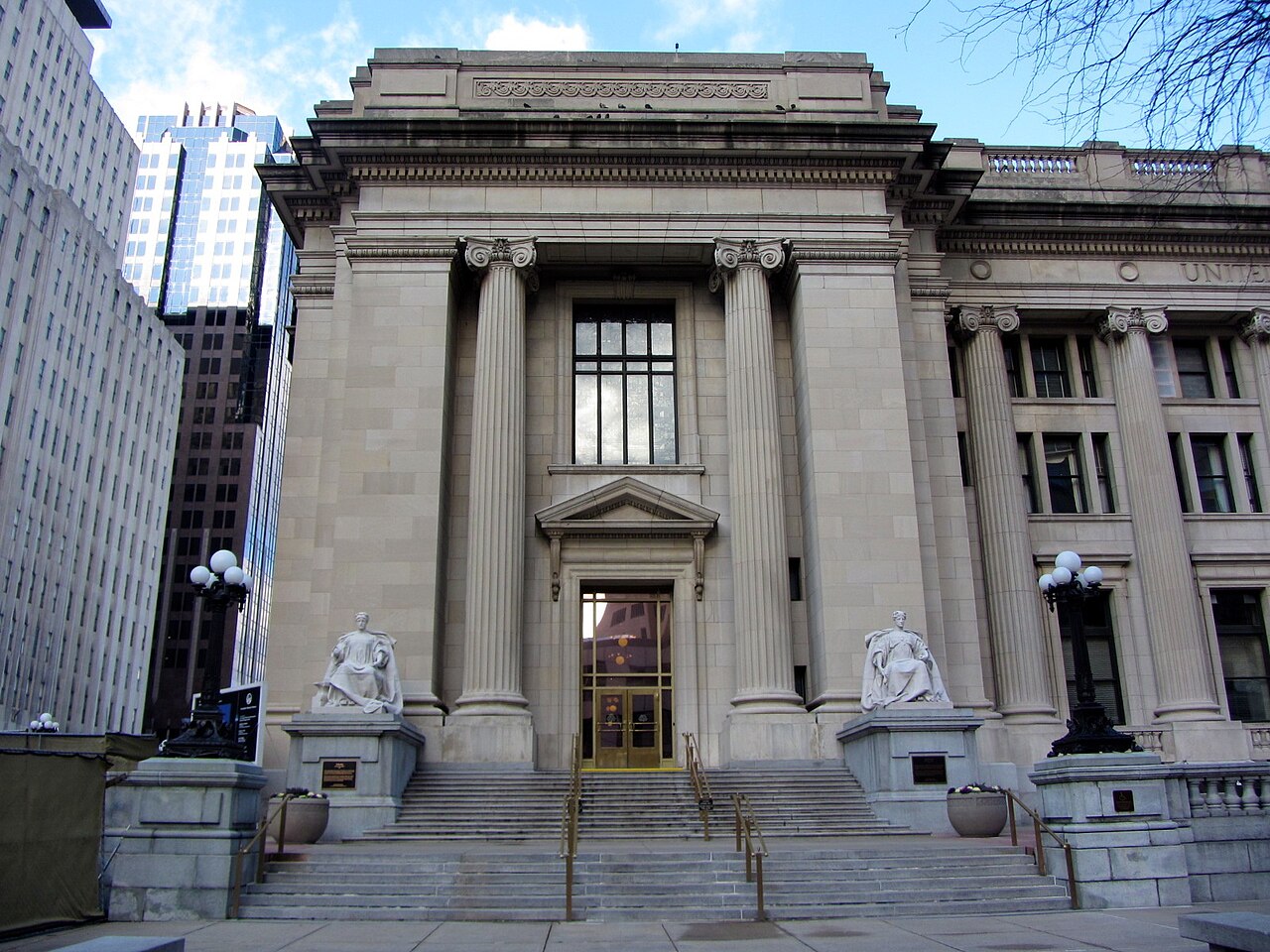
A federal court has mandated the immediate restoration of a collective bargaining agreement between the Department of Veterans Affairs (VA) and the American Federation of Government Employees National Veterans Affairs Council (AFGE/NVAC). The ruling, issued on March 13, 2026, by Judge Melissa DuBose, covers over 320,000 VA employees, including medical and support staff.
The court granted a preliminary injunction, concluding that VA Secretary Doug Collins likely violated both the First Amendment and the Administrative Procedure Act. This decision reverses the VA's previous termination of the master collective bargaining agreement, along with all associated local and mid-term agreements, which had taken effect on August 6, 2025.
Legal Basis for Reinstatement
The judicial order stems from a lawsuit filed by AFGE/NVAC in Providence, Rhode Island. The union contended that the VA's termination of the contract was an act of retaliation, specifically targeting their protected First Amendment activities, and that it bypassed established administrative procedures.
Judge DuBose's determination highlighted that the VA's decision to terminate the agreement was substantially motivated by the union's vocal opposition to new labor policies. The court found that this action caused irreparable harm to AFGE/NVAC and its extensive membership within the VA system.
Impact on VA Workforce
AFGE/NVAC represents the largest unionized segment of the VA workforce, encompassing a wide range of professionals from nurses and doctors to administrative and support personnel. The reinstated agreement is crucial for defining the rights, working conditions, and support structures for these employees.
This legal development ensures the continuity of the established labor framework while the broader litigation process unfolds. The preliminary injunction means the contract remains in force, providing stability for the hundreds of thousands of federal employees dedicated to veterans' care.
Broader Implications for Federal Labor Relations
The ruling carries significant implications for federal labor relations, particularly concerning the balance of power between government agencies and employee unions. It underscores the judiciary's role in safeguarding constitutional rights and administrative due process in collective bargaining disputes.
This case could set a precedent for how federal agencies approach negotiations and disputes with their unionized workforces, emphasizing the need for adherence to legal and procedural requirements. The ongoing litigation will further clarify the boundaries of executive authority in modifying or terminating established labor agreements.
Implications
Country Impact: The ruling reinforces the legal protections for federal employee unions, potentially influencing labor relations across various government agencies and setting a precedent for future disputes regarding collective bargaining rights.
Industry Impact: For the public sector, particularly federal healthcare and administrative services, this decision ensures the stability of existing labor agreements and underscores the importance of adhering to legal frameworks when modifying employee contracts.
Market Impact: While direct market impact is limited, the decision could indirectly affect government efficiency and employee morale, which are factors in public service delivery and, by extension, the broader economic environment.