Powell Probe Blocked, DOJ Appeals Federal Court Ruling
Federal judge blocks DOJ probe into Fed Chair Powell's testimony. DOJ plans appeal, prolonging uncertainty over Fed leadership and Kevin Warsh confirmation.
Lauren Collins ·
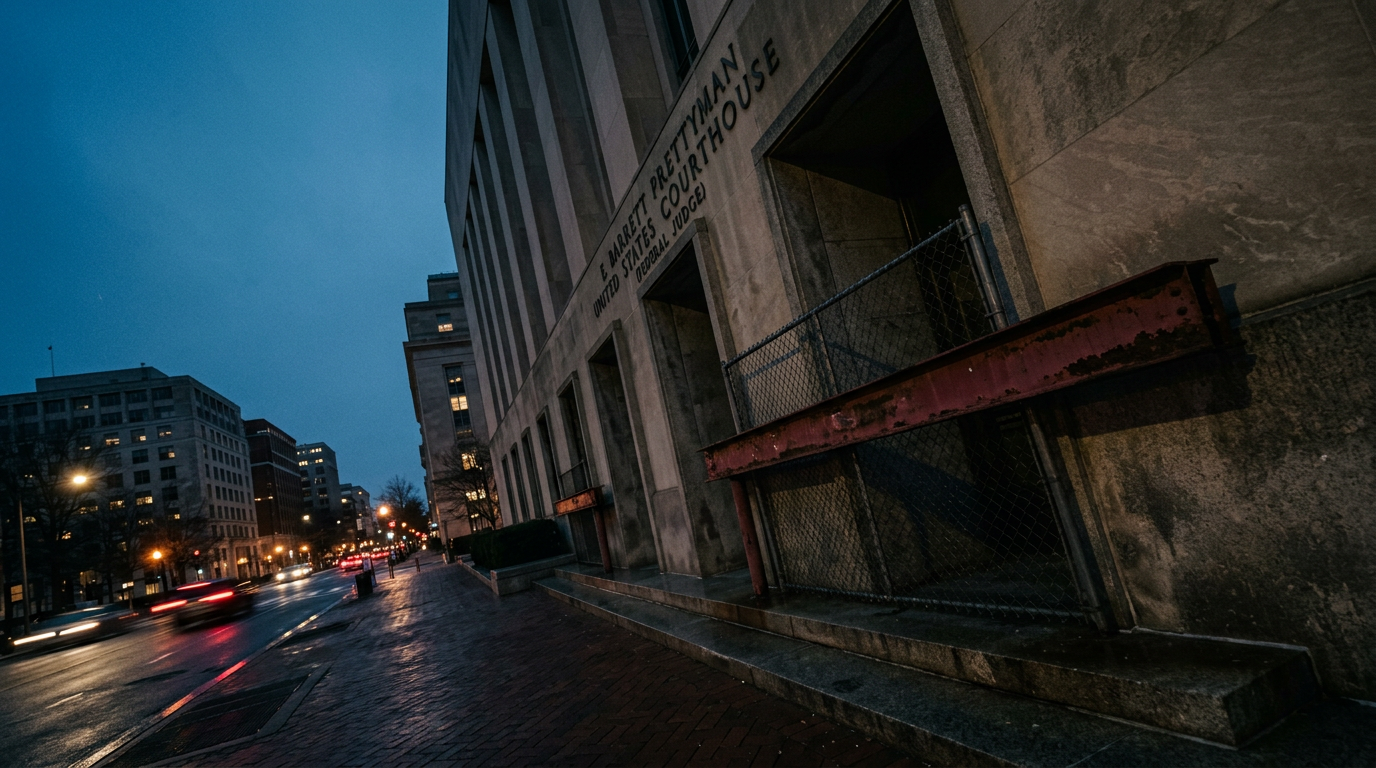
A U.S. federal judge recently halted the Justice Department's criminal inquiry into Federal Reserve Chair Jerome Powell's Senate testimony. Chief U.S. District Judge James Boasberg determined on Friday, March 13, 2026, that the grand jury subpoenas issued were primarily intended to exert pressure on Powell, rather than to genuinely investigate his statements. This ruling characterized the subpoenas as a "mere pretext" to compel Powell's resignation or compliance with presidential directives.
U.S. Attorney for D.C., Jeanine Pirro, promptly announced her office's intention to appeal the district court's decision. Pirro criticized Judge Boasberg's ruling, asserting that it undermines established legal procedures. The Justice Department's appeal introduces further complexity into the ongoing political and legal dispute surrounding the Federal Reserve's leadership.
Investigation Focus and Political Context
The core of the Justice Department's investigation revolved around Powell's previous testimony concerning a renovation project at the Federal Reserve's headquarters. This legal challenge unfolds against a backdrop of persistent public criticism from President Donald Trump regarding Powell's interest rate policies, a stance the President has maintained for over a year.
Impact on Fed Leadership Confirmation
The appeal is expected to prolong the confirmation process for President Trump's nominee for Federal Reserve Chair, former Fed Governor Kevin Warsh. Senator Thom Tillis, a Republican member of the Senate Banking Committee, has explicitly stated his intention to block Warsh's nomination until the investigation into Powell is fully resolved. Tillis has cautioned that the Justice Department's appeal will only extend this period of uncertainty.
Future of Federal Reserve Leadership
Jerome Powell's current term as Federal Reserve Chair is scheduled to conclude in May. The ongoing legal battle and the associated political maneuvering create significant uncertainty regarding the future leadership of the U.S. central bank. This situation could have broader implications for monetary policy stability and market expectations.
Historical Precedent and Central Bank Independence
S. economic policy, designed to ensure monetary decisions are based on economic data rather than short-term political considerations. Challenges to this independence, whether through direct criticism or legal probes, often draw scrutiny from financial markets and international observers. Previous administrations have generally respected the Fed's autonomy, making the current situation a notable deviation. S. institutional stability.
Market Implications and Economic Stability
Prolonged uncertainty over the Federal Reserve's leadership and potential shifts in its independence can introduce volatility into financial markets. Investors typically prefer clarity and predictability from central banks, as their decisions on interest rates and monetary policy directly impact borrowing costs, inflation, and economic growth. S. dollar's stability. S. economic governance.
Implications
Country Impact: The U.S. faces prolonged uncertainty regarding the leadership of its central bank, potentially impacting monetary policy stability. This legal dispute could also set precedents for the independence of federal institutions from political pressure.
Industry Impact: The financial services sector, particularly banking and investment, will closely monitor the Federal Reserve's leadership transition. Any perceived erosion of central bank independence could influence investor confidence and market stability.
Market Impact: Global financial markets may experience increased volatility due to uncertainty surrounding U.S. monetary policy and the Federal Reserve's future direction. The confirmation process for the next Fed Chair could face delays, affecting market expectations for interest rates and economic outlook.