Libyan Factions Endorse UN Plan for Elections
Rival Libyan factions endorsed a UN-mediated agreement on September 1, 2026, setting a 24-month roadmap for presidential and legislative elections.
Lauren Collins ·
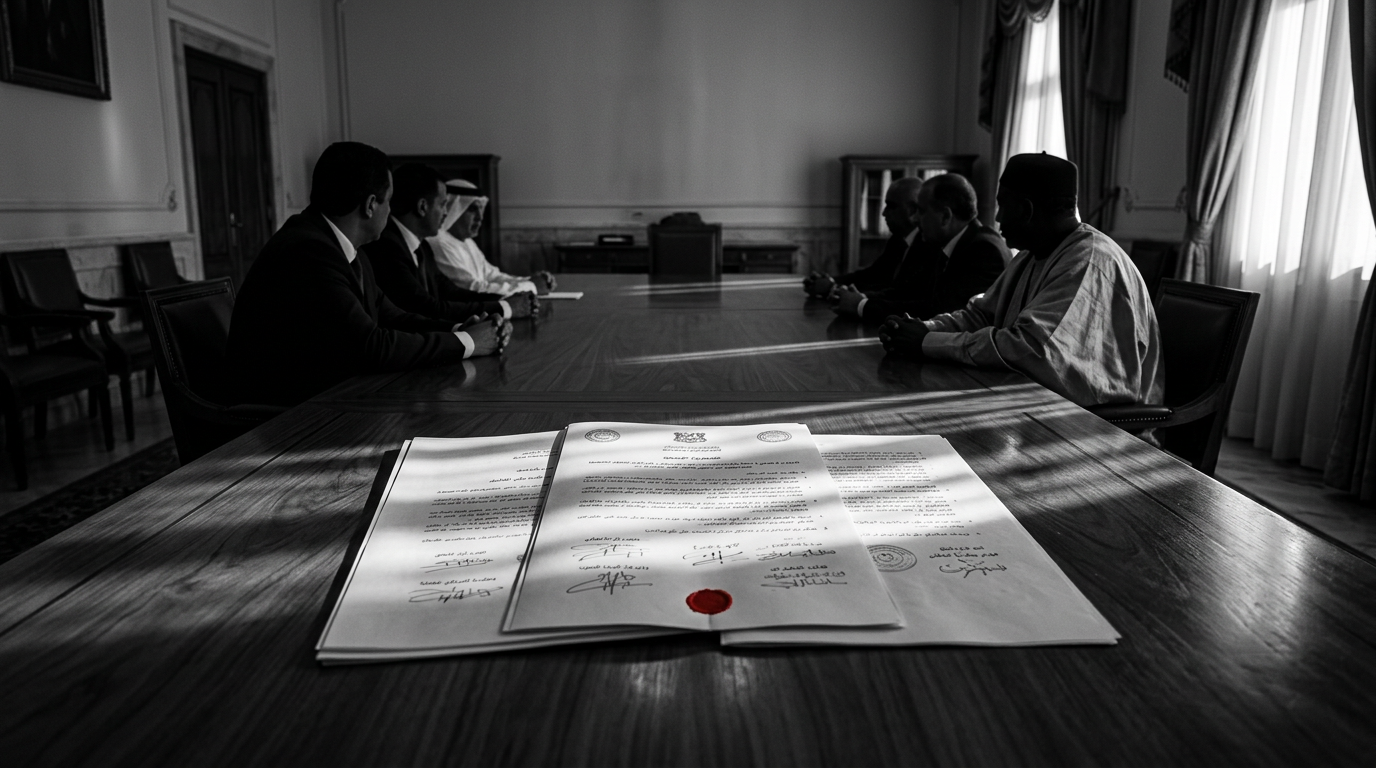
Rival political and military factions in Libya formally endorsed a United Nations-mediated agreement in Tripoli on September 1, 2026. This accord outlines a comprehensive roadmap for holding national presidential and legislative elections within 24 months, aiming to unify the country's fractured governance.
The newly established framework includes a '4+4' committee, comprising eight members. These representatives are drawn equally from the House of Representatives, the High Council of State, the Tripoli-based government, and the eastern military command. This mechanism is designed to facilitate power-sharing and bridge the deep institutional divisions that have plagued Libya since the 2011 uprising that led to the overthrow of Muammar Gaddafi.
Efforts to Bridge Deep Divisions
Libya has struggled with institutional fragmentation, with distinct administrations in the east and west. The eastern authorities are notably led by Khalifa Haftar. The current diplomatic initiative seeks to integrate security and political structures from both eastern and western regions under international oversight, representing a significant attempt to stabilize the nation.
This push for unification is backed by intensified diplomatic efforts from the United States. White House adviser Massad Boulos has proposed various initiatives, including potential US energy investments in Libya's oil fields, contingent on the formation of a unified executive branch. Washington has also suggested a specific power-sharing arrangement that could see Abdul Hamid Dbeibah retain his position as prime minister, with Saddam Haftar serving as president.
Past Challenges and Future Uncertainties
Despite this formal commitment, the transition faces considerable vulnerability due to historical mistrust among the factions and the persistent influence of entrenched armed groups. Previous attempts at national unification have faltered, including the 2015 Skhirat Agreement and the unsuccessful election cycle in 2021.
These past efforts were undermined by competing interests and a reluctance among key actors to relinquish power. The path from signing the current agreement to achieving a genuinely unified government remains uncertain. The country has been marked by profound political divisions and shifting alliances since the 2011 events, with armed conflicts erupting after the contentious 2014 elections. The upcoming months will be critical in determining whether this latest diplomatic push can finally deliver a lasting political resolution for Libya.