Controversial Penalty Ends Senegal's World Cup Run Against Belgium
Belgium defeated Senegal 3-2 in the World Cup Round of 32 following a controversial late penalty decision that sparked widespread debate over VAR intervention.
Mehmet Şahinoğlu ·
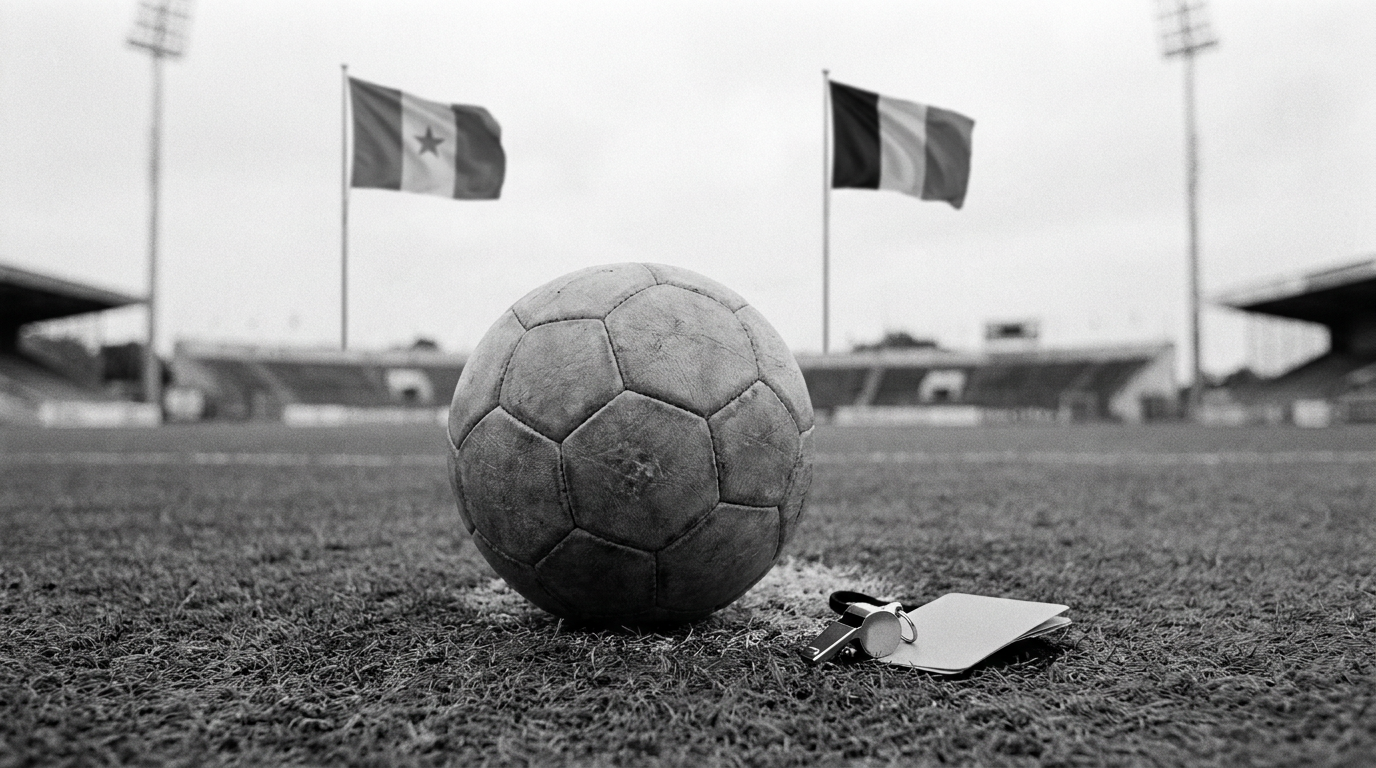
Belgium advanced to the World Cup Round of 16 after a contentious penalty decision secured a 3-2 victory over Senegal in Seattle on July 1, 2026. The match, part of the tournament's Round of 32, saw Senegal surrender a 2-0 lead before Honduran referee Said Martinez awarded the decisive penalty in the final moments of extra time following a VAR review.
Disputed Foul Decides Match Outcome
The penalty was called following a challenge between Senegal’s Lamine Camara and Belgian captain Youri Tielemans. Analysis from the platform Archivo VAR suggested the intervention was excessive, noting the Belgian player initiated the contact. This decision drew significant criticism from fans and commentators, who questioned the necessity of the VAR review for an incident not meeting the threshold for a clear and obvious error.
Senegal's Early Tournament Departure
The outcome marks a premature exit for Senegal, which had controlled the match for 85 minutes with a two-goal lead. While players expressed disappointment in their inability to maintain the lead, the officiating decision has sparked comparisons to previous refereeing disputes involving African football teams. Tielemans successfully converted the spot-kick, completing Belgium's comeback and ending Senegal's 2026 World Cup campaign.
Wider Implications for VAR Protocols
The controversy surrounding the penalty call highlights ongoing debates about the application of VAR in critical match situations. Critics argue that such interventions disrupt the flow of the game and can overshadow on-field performances, particularly when the contact initiating the foul is debatable. The incident is likely to fuel further discussions within FIFA and football federations regarding the objective standards for VAR usage, especially in high-stakes knockout matches.
Moving forward, the focus will be on how refereeing bodies and tournament organizers address both the immediate backlash and the long-term consistency of VAR implementation. The impact on team morale and public perception of fairness in tournaments like the World Cup remains a significant consideration.