Panama Canal priority slot hits near $4 million record
Panama Canal priority auctions hit a near $4 million payment as queues top seven days, draft limits tighten, and surcharges spread on key lanes.
Atlas Newsdesk ·
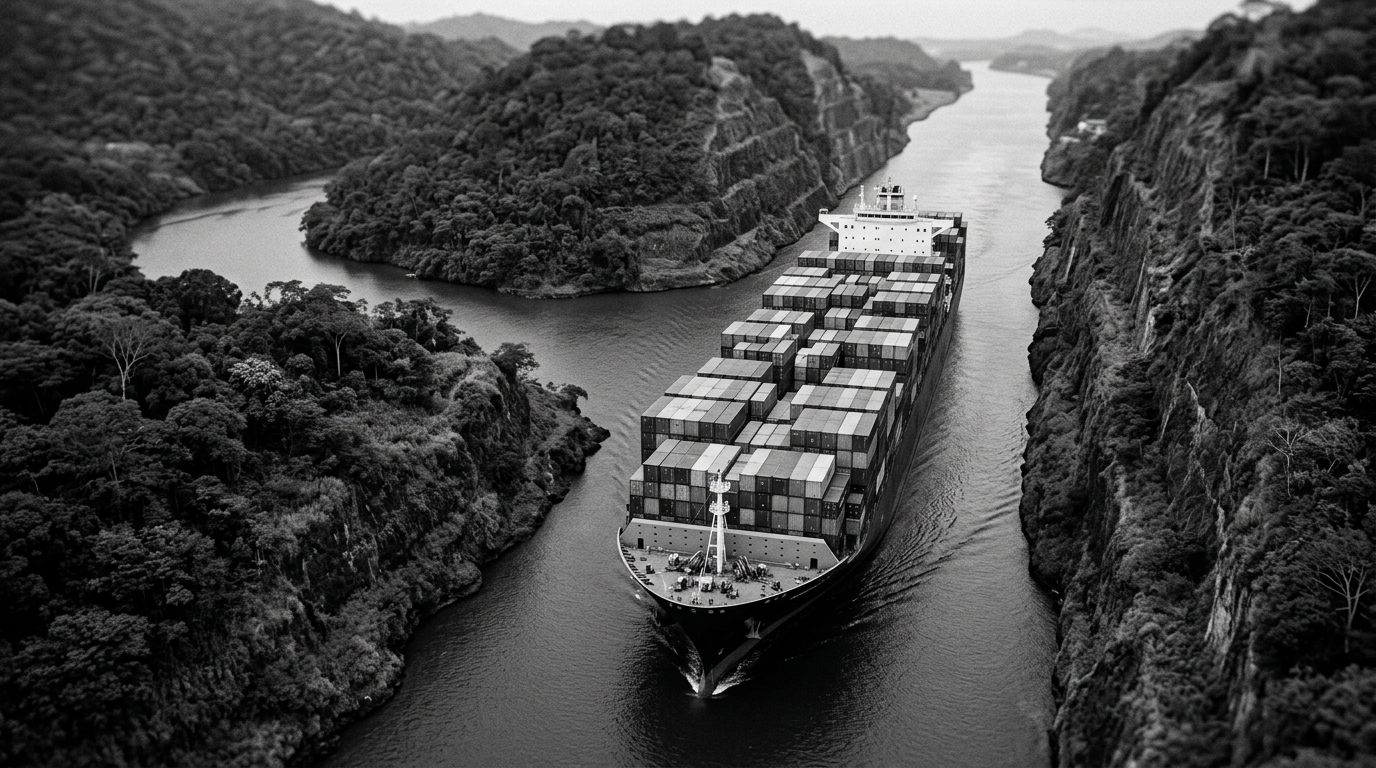
A container vessel paid approximately $4 million to secure a priority auction slot for faster transit through the Panama Canal, underscoring how operators are putting a higher price on predictable schedules. The payment reflects efforts to avoid cascading problems that can follow a missed port window, including disrupted terminal handoffs and broken connections across tightly timed liner networks.
The record-sized premium comes as transit dependability faces renewed pressure from a combination of instability on other routes and constraints within the canal system itself. For carriers and cargo owners, the value of certainty has risen because delays can ripple across multiple ports and subsequent vessel schedules.
Queues and draft limits intensify operational pressure
Ships that have not pre-booked a transit slot Ships that have not pre-booked a transit slot are facing sharply longer delays. Average wait times are now exceeding seven days for northbound traffic, adding significant uncertainty to voyages that often depend on fixed rail and terminal links. At the same time, mandatory draft restrictions are tightening capacity. The Panama Canal Authority has imposed the depth limits as part of steps to manage water availability in Gatún Lake, which is central to canal operations. Officials have tied the operating constraints to water levels threatened by below-average rainfall and longer-term climate patterns. Because the canal’s lock operations rely on freshwater, the level of Gatún Lake is a key determinant of how many ships can pass and how heavily they can be loaded.
Panama Canal Surcharges rise on Far East–US East and Gulf routes Major ocean carriers are responding by adding surcharges Major ocean carriers are responding by adding surcharges for cargo moving between the Far East and the U.S. East and Gulf Coasts. The stated is to offset higher operating costs associated with delays, schedule recovery measures, and constrained canal transits. The near $4 million priority payment illustrates how limited transit opportunities can translate directly into costs. For vessels that do not secure priority access, waiting in queue can increase the risk of downstream penalties tied to late arrivals and missed connections. For shippers, the immediate consequences can include higher all-in transportation bills and longer lead times. Draft limits can reduce the amount of cargo a ship can carry, while extended queues can force adjustments to vessel rotations that affect multiple ports. Scarcity signals continued tightness into the third quarter Institutional stakeholders have been advised to prepare for ongoing upward pressure on freight rates and broader use of extended transit buffers. The scarcity of auction slots is being read as a signal that bottlenecks may persist while the canal operator prioritizes water conservation through the remainder of the third quarter.
The central uncertainty for cargo planners remains how demand for passages will balance against operational limits set by water management. As long as queues stay elevated and draft restrictions remain in place, carriers and customers may continue paying a premium for reliability when it is available.