How congressional oversight shapes federal capacity, Niskanen Center argues
A new analysis from the Washington, D.C.–based Niskanen Center argues that the methods Congress uses to oversee agencies directly influence federal agencies’…
Sophie McAlister ·
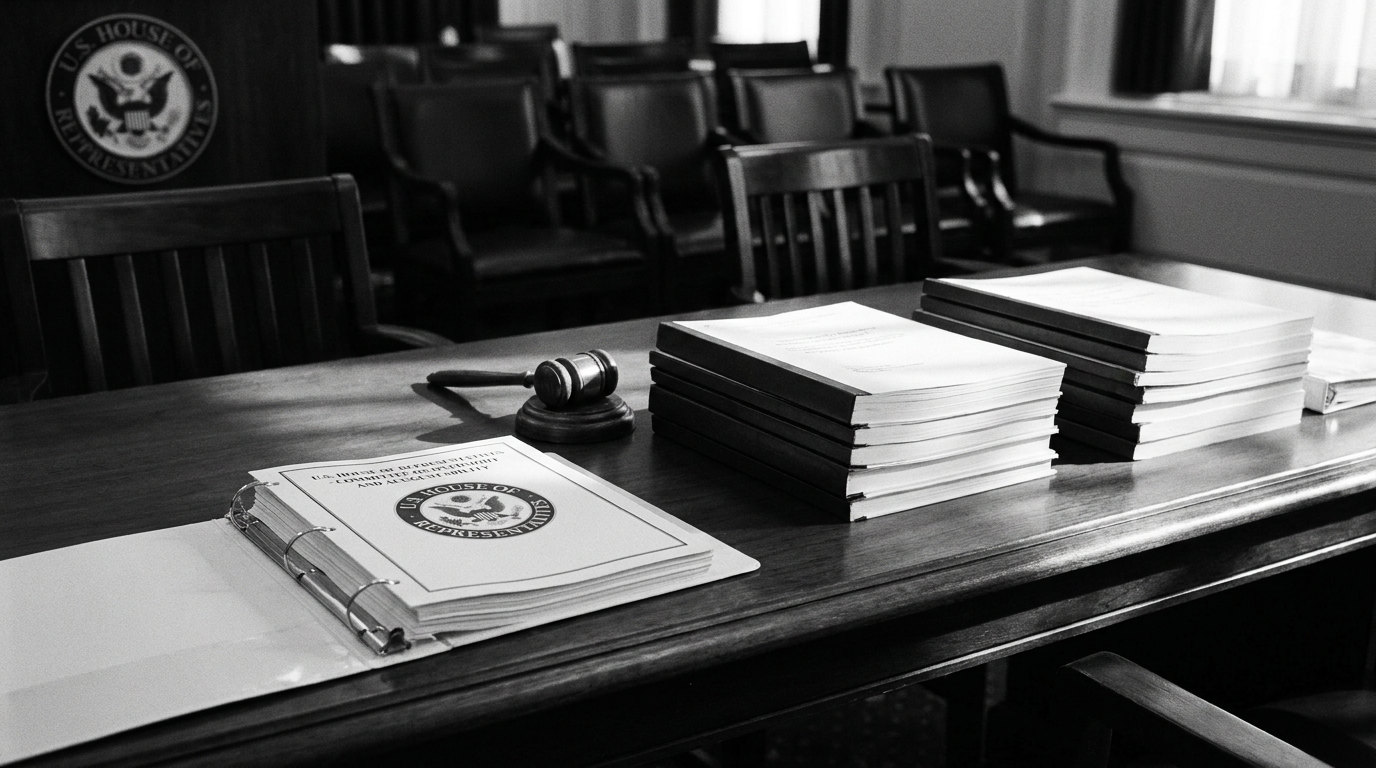
The Niskanen Center, a Washington, D.C.–based think tank, published a policy analysis examining how congressional oversight practices affect the federal government’s capacity to implement policy. The paper argues oversight is more than a check on power: its design and execution shape agencies’ operational ability, resource allocation, and long-term performance. The analysis draws on institutional examples and recommends reforms to make oversight more constructive and capacity-building.
The report frames oversight as a tool that can either strengthen or weaken administrative capacity depending on how congressional committees gather information, set expectations, and follow up on findings. It traces differences between adversarial enforcement-style hearings and more collaborative oversight that aims to diagnose problems and help agencies fix them. The authors warn that repeated punitive reviews without attention to implementation can sap agency morale, fragment expertise, and divert staff time from program delivery.
Oversight methods matter for agency performance
The analysis highlights several mechanisms by which oversight influences capacity: the clarity of congressional expectations, the resources agencies can count on to respond to oversight mandates, and the institutional memory preserved through documentation and staff continuity. It notes that when committees emphasize compliance and sanctions alone, agencies may prioritize short-term legal defense over long-term program improvement. Conversely, oversight that integrates technical assistance or sustained engagement can improve program outcomes.
Authors underscore that oversight is not a one-size-fits-all instrument. Different policy domains—regulatory enforcement, benefits delivery, or defense acquisition—have distinct capacity needs and respond differently to the same oversight posture. The paper encourages committee staff and members to tailor oversight tools, align requests with agency timelines, and coordinate across committees and executive offices to avoid conflicting demands that strain limited staff resources.
Recommendations aimed at Capitol Hill and the broader policy community
To reduce harmful side effects and build state capacity, the report outlines practical steps for congressional actors: invest in committee staff expertise, prioritize sustained fact-finding over spectacle, create follow-up mechanisms to track whether agencies implement recommendations, and design oversight that recognizes administrative constraints. The authors also call for improved information flows between Congress and agencies to reduce duplication and enable evidence-based corrective actions.
The paper situates its recommendations within the broader governance debate, arguing that robust oversight and effective administration are complementary rather than opposing goals. It warns that short-term political incentives can push oversight toward visibility rather than effectiveness, and urges institutional reforms that favor learning, measurement, and cooperative problem-solving.
What to watch next: policymakers on Capitol Hill, committee staff, and local think tanks in Washington will likely weigh these recommendations as Congress debates oversight priorities in upcoming hearings and legislation. Observers should look for pilot practices—such as formalized follow-up processes or enhanced committee staffing proposals—that put capacity-building oversight into practice.