Clean energy grants canceled over states' politics in court
The Trump administration admitted in court that clean energy grants were canceled based on state politics, sparking new legal and congressional scrutiny.
Claire Dubois ·
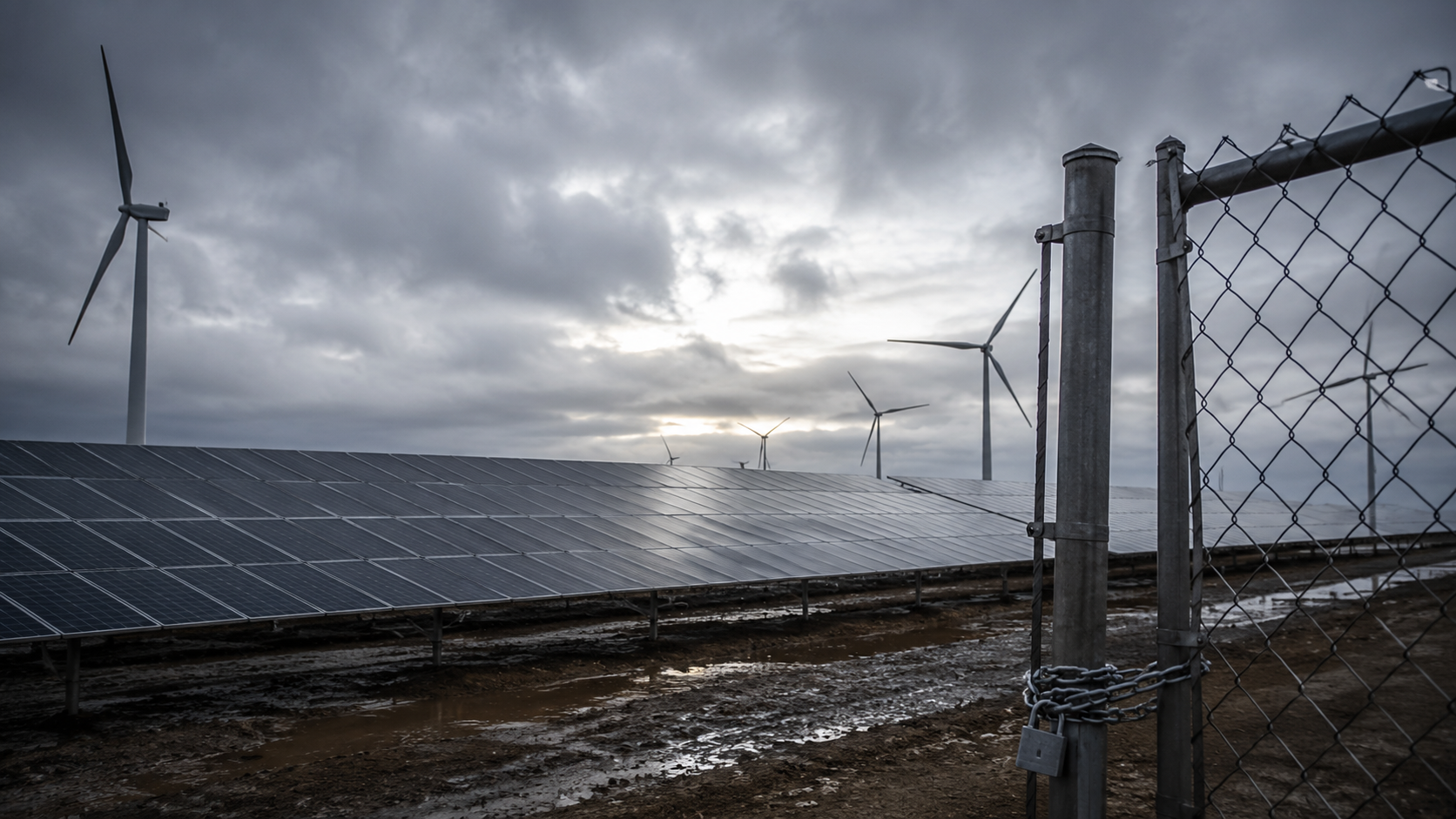
Clean energy grants worth $7.6 billion were canceled by state political identity, the Trump administration acknowledged in court.
Court documents say the rationale applied to 16 states that supported Democratic nominee Kamala Harris in the 2024 presidential election. The filing turns a fight over energy spending into a sharper dispute over whether federal funds were withdrawn for political reasons.
$7.6 billion filing shifts case
The court statement conflicts with earlier explanations from Energy Secretary Chris Wright and other officials. They had said the projects failed to meet energy priorities or presented weaknesses that made them poor uses of taxpayer money.
The Energy Department's October announcement said 321 funding awards tied to 223 projects were terminated after review. The department said at the time that the awards “did not adequately advance the nation’s energy needs or were not economically viable.”
The new court language gives challengers a more direct argument: the cancellations were not only a policy reversal, but a geographic screen tied to election results. The filing described the decision as “based solely on the political identity of the grant recipient’s state.”
Russell Vought, the White House budget director, had cast the cuts in partisan terms in a social media post. He said money “to fuel the Left’s climate agenda is being cancelled,” aligning the funding pullback with President Trump’s broader attack on climate programs.
Battery and grid projects lose support
The terminated awards covered projects involving battery plants, hydrogen technology, electric grid upgrades and carbon dioxide capture. Those fields depend heavily on early-stage capital because many facilities require large upfront spending before revenue begins.
For companies and project developers, the immediate issue is financing certainty. A canceled federal award can force a project sponsor to seek replacement capital, reduce the scale of a plan, delay construction or abandon work if private investors view the policy risk as too high.
The wider clean energy sector faces a second-order problem: grants are often used to crowd in private money and signal government support. If that signal weakens, investors may demand higher returns, states may lose planned industrial projects and supply-chain timelines may stretch.
Democrats press Energy Department
Rep. Marcy Kaptur of Ohio and Sen. Patty Murray of Washington state, senior Democrats on the House and Senate Appropriations committees, said the filing confirmed their criticism. “This administration has now admitted in court what has long been obvious: it terminated nearly 300 cost-cutting energy projects for no reason other than the fact that the states they were in did not vote for the president in the 2024 election,” they said.
Kaptur and Murray also accused the administration of harming families through political retaliation. They called on congressional Republicans to help hold the White House accountable for what they described as a failure to serve Americans across state lines.
The next phase turns on how courts treat the administration's own explanation. If judges view the political-identity rationale as legally improper, the Energy Department could face orders requiring fresh reviews, and project sponsors may get another chance to defend their awards.
If the cancellations survive, the department would gain more room to redirect energy funding away from climate-linked programs. For the macro picture, the effect would not be a near-term demand shock, but it could weaken the policy certainty behind U.S. clean-technology investment.
The unresolved questions are concrete: which projects can still be revived, whether Congress demands documents from the department, and how investors price federal grant risk in future energy projects. The sector's path now depends less on technology readiness than on law, appropriations power and political durability.