China's Current Account Surplus Reaches $184.1 Billion in Q1
China recorded a $184.1 billion current account surplus in the first quarter of 2026, primarily driven by robust performance in goods trade.
Cuneyd Erdogan ·
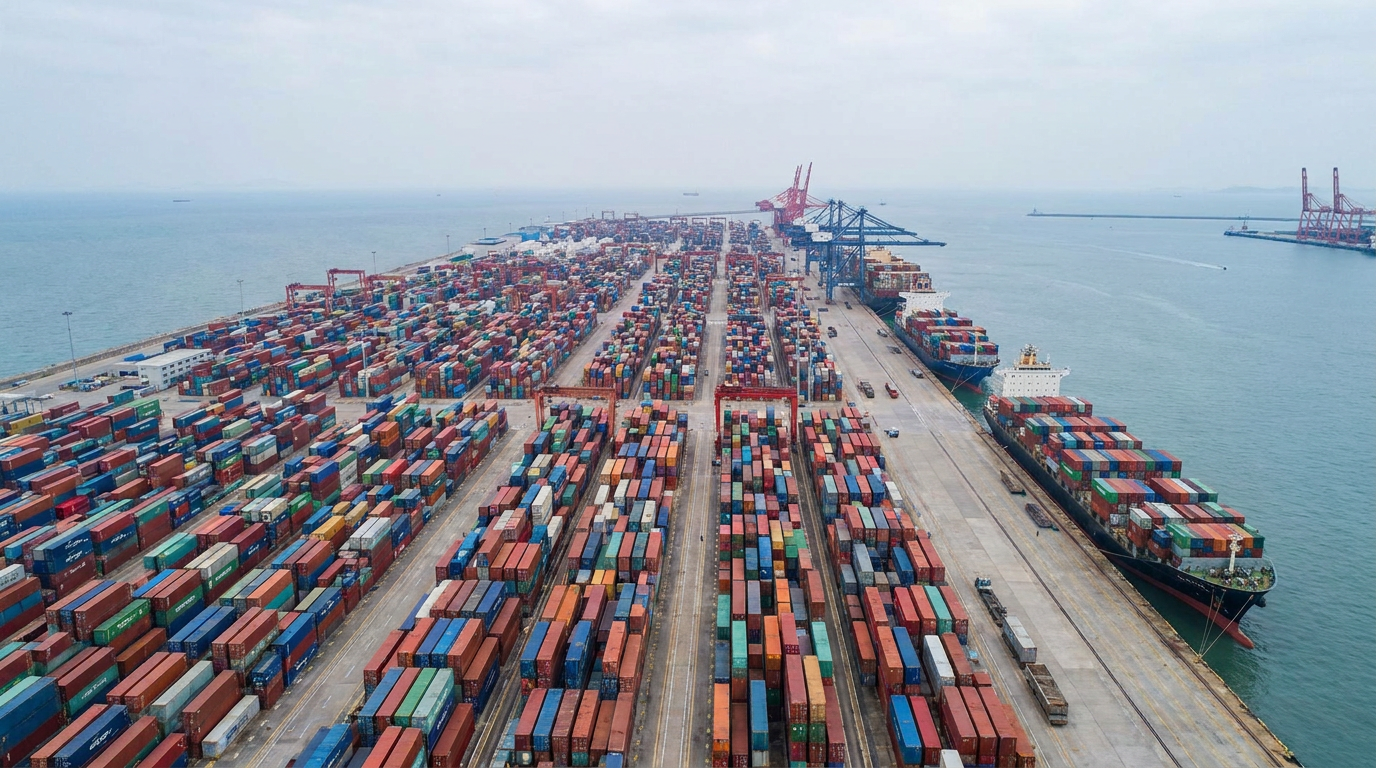
China's Q1 Current Account Surplus Driven by Goods Trade
China's current account registered a surplus of $184.1 billion during the first quarter of 2026. This figure, based on preliminary data released by the State Administration of Foreign Exchange (SAFE), indicates that strong goods trade was the primary contributor to this surplus.
Between January and March, the nation's goods trade surplus stood at $247.4 billion. Conversely, the services trade recorded a deficit of $59.6 billion, while investment income showed a $7.5 billion deficit. Current transfers, however, contributed a $3.9 billion surplus.
For the entirety of 2025, China reported a current account surplus of $735 billion. The first quarter's data for 2026 highlights the continued reliance on goods trade for the overall current account balance, with persistent deficits in services and investment income shaping the composition of this balance.
Trade Dynamics: Goods Surplus vs. Services Deficit
The substantial surplus in goods trade underscores the significant support that exports provide to China's external balance. In contrast, the deficit in services trade points to a net outflow in areas such as tourism, transportation, and other cross-border services.
The deficit observed in investment income suggests a net payment position when balancing interest, dividends, and similar income and expenditures. These components are closely monitored as indicators of China's external financial health.
The current account balance is a key metric for global investors, as it reflects China's external financing needs and the dynamics of its foreign asset accumulation. Periods of high goods trade surpluses can lead to potential impacts on financial accounts and reserve accumulation.
Future Outlook and Market Monitoring
These figures suggest that global demand trends and commodity prices will continue to influence China's external balance in the coming quarters. Markets will closely observe subsequent updates from SAFE for changes in the current account's components and potential shifts in the services balance.
Uncertainties remain regarding the sustainability of the current trade patterns, particularly how global economic conditions might affect export demand. Any significant changes in these trends could alter China's overall external financial position.