EV Battery Charging Times Drop to Under Four Minutes
New battery technology slashes EV charging times to 224 seconds, intensifying industry competition while raising questions about power grid infrastructure.
Ayla Demirhan ·
The Race for Rapid Charging
The automotive sector is witnessing a significant shift as electric vehicle battery technology approaches the refueling speeds of traditional combustion engines. Recent industry developments indicate that the time required to charge a battery from 10% to 80% capacity has been reduced to mere minutes. This evolution transforms the competitive landscape, shifting the focus toward seconds-based performance metrics that impact everything from supply chains to energy distribution networks.
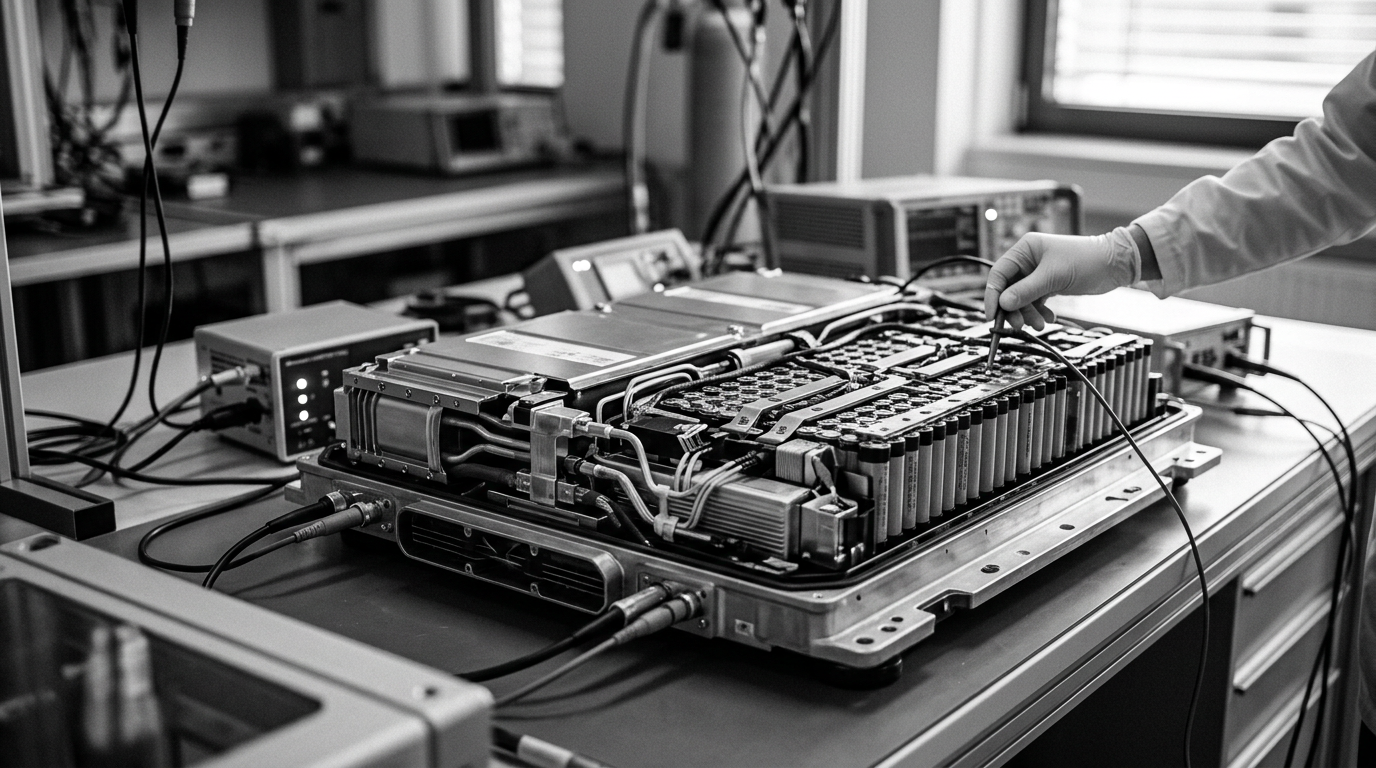
A major global battery manufacturer, CATL, recently reported that its latest technology can achieve an 80% charge in just 224 seconds, or three minutes and 44 seconds. Officials stated that this result was achieved using a complete battery pack rather than isolated laboratory cells, suggesting a more practical application for real-world scenarios. This distinction is viewed as a critical step toward commercial viability and standardized performance benchmarking.
Technological Advancements and Industry Rivals
This new battery architecture represents a substantial improvement over previous commercial standards, which required nearly seven minutes for a similar charge. The gains are attributed to advancements in thermal management, chemical composition, and sophisticated power electronics. These integrated design improvements allow for faster energy transfer without compromising the structural integrity of the battery system.
Other industry players are also reporting rapid progress. Sources indicate that the FAW Group has developed a system capable of reaching a 70% charge in 221 seconds. Meanwhile, companies like Geely and BYD are actively promoting their own high-speed charging solutions, aiming for windows between four and five minutes. This collective push highlights a broader industry trend toward minimizing downtime for electric vehicle owners.
Infrastructure and Grid Implications
While these speeds enhance the user experience, they introduce complex challenges for energy infrastructure. Rapidly drawing high levels of power at individual stations could lead to significant spikes in demand, potentially straining local distribution grids. Experts suggest that utility providers may need to invest in transformer upgrades, line reinforcements, and advanced power quality management to handle these concentrated energy loads.