Tesla Recalls Nearly 3 Million Vehicles in China for Safety Updates
Tesla is implementing comprehensive safety modifications and software updates for almost 3 million Model 3 and Model Y vehicles in China, addressing…
Atlas Newsdesk ·
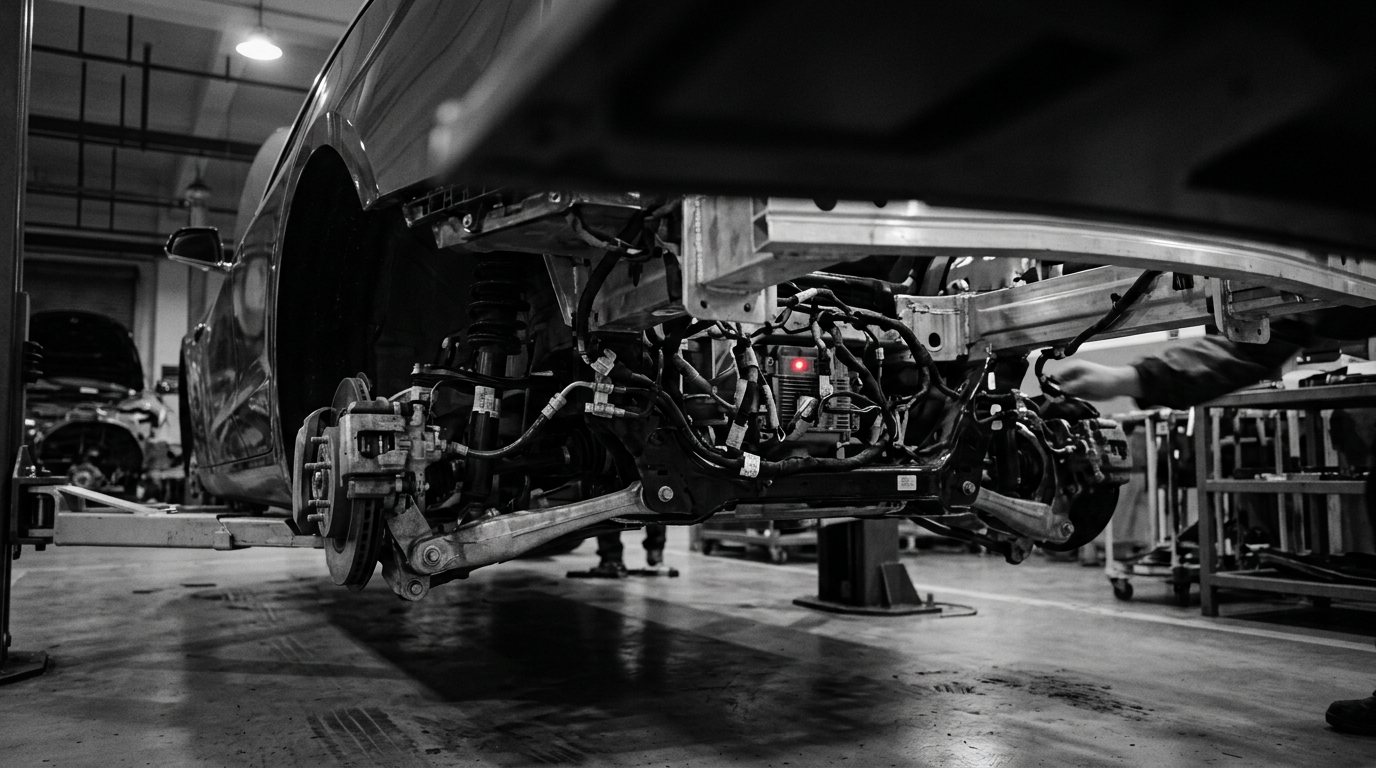
Chinese automotive regulators have mandated Tesla to undertake extensive safety modifications and software updates across approximately 2.98 million Model 3 and Model Y vehicles operating within the country. This directive addresses critical concerns related to emergency exit functionality and driver monitoring systems, signaling an increased regulatory focus on electric vehicle safety features.
The recall targets two primary areas. Firstly, it requires the installation of physical warning labels to clearly instruct occupants on the operation of rear doors during emergency situations. Concurrently, a software update will be deployed to automatically lower vehicle windows upon collision detection, aiming to facilitate easier escape for occupants or improve access for first responders. These measures directly respond to previous concerns regarding electronically controlled door mechanisms and occupant safety in urgent scenarios.
Driver Monitoring System Overhaul
In a separate but related requirement, Tesla must also update the driver monitoring systems for 2.74 million vehicles. This significant change involves transitioning the monitoring technology from its current reliance on steering wheel torque sensors to a more advanced system utilizing interior camera-based gaze tracking. The objective of this upgrade is to enhance verification of driver engagement and mitigate risks associated with inattentive driving.
This shift to camera-based monitoring systems occurs amid broader industry discussions concerning the efficacy and privacy implications of such technologies. Prior implementations of these systems by various manufacturers have faced scrutiny regarding their susceptibility to bypass methods or potential inaccuracies in accurately detecting driver attention.
Broader Regulatory Context
These directives from Chinese regulators underscore a growing global trend towards stricter safety standards for advanced automotive technologies, particularly within the electric vehicle sector. China, recognized as the world's largest automotive market, has been proactive in establishing comprehensive regulatory frameworks for vehicle safety, cybersecurity, and data privacy. This often necessitates significant compliance adjustments for international manufacturers operating in the region.
For Tesla, these mandates require a complex recall process that includes both widespread software deployment and physical alterations to a substantial portion of its fleet in China. The effectiveness and implementation of the new camera-based driver monitoring systems will be crucial for Tesla's ongoing regulatory compliance and its strategic position within the Chinese market. Companies operating in this dynamic environment must continuously adapt to evolving safety and technological requirements.
The sheer scale of this recall highlights the increasing oversight applied to advanced vehicle features and software-defined automobiles. Regulators are committed to ensuring that technological advancements do not compromise fundamental safety principles, thereby pushing manufacturers to integrate robust, verifiable safety measures into both their initial designs and ongoing operational protocols. Future compliance will involve navigating challenges related to privacy, data processing, and the potential for new system vulnerabilities as these sophisticated systems become more prevalent.
Future Compliance and Technological Challenges
The move towards camera-based driver monitoring systems, while representing a technological advancement aimed at improving safety, also introduces challenges. These include considerations related to occupant privacy, data processing protocols, and the potential for new types of system vulnerabilities. Regulators and automotive manufacturers will need to collaborate to establish clear guidelines and industry standards for these increasingly sophisticated systems.
This series of recalls emphasizes the continuous need for automotive companies, especially those at the forefront of electric and autonomous vehicle technologies, to maintain agility in response to both regulatory demands and consumer safety expectations across diverse global markets. The efficacy of these mandated updates will be closely monitored by industry observers and safety advocates alike, shaping future standards for advanced automotive safety features worldwide.