China joins Brazil’s WTO challenge to US tariffs
China joins Brazil’s WTO case on US tariffs cited at 37.5%, citing a substantial interest and warning similar measures could hit China.
Atlas Newsdesk ·
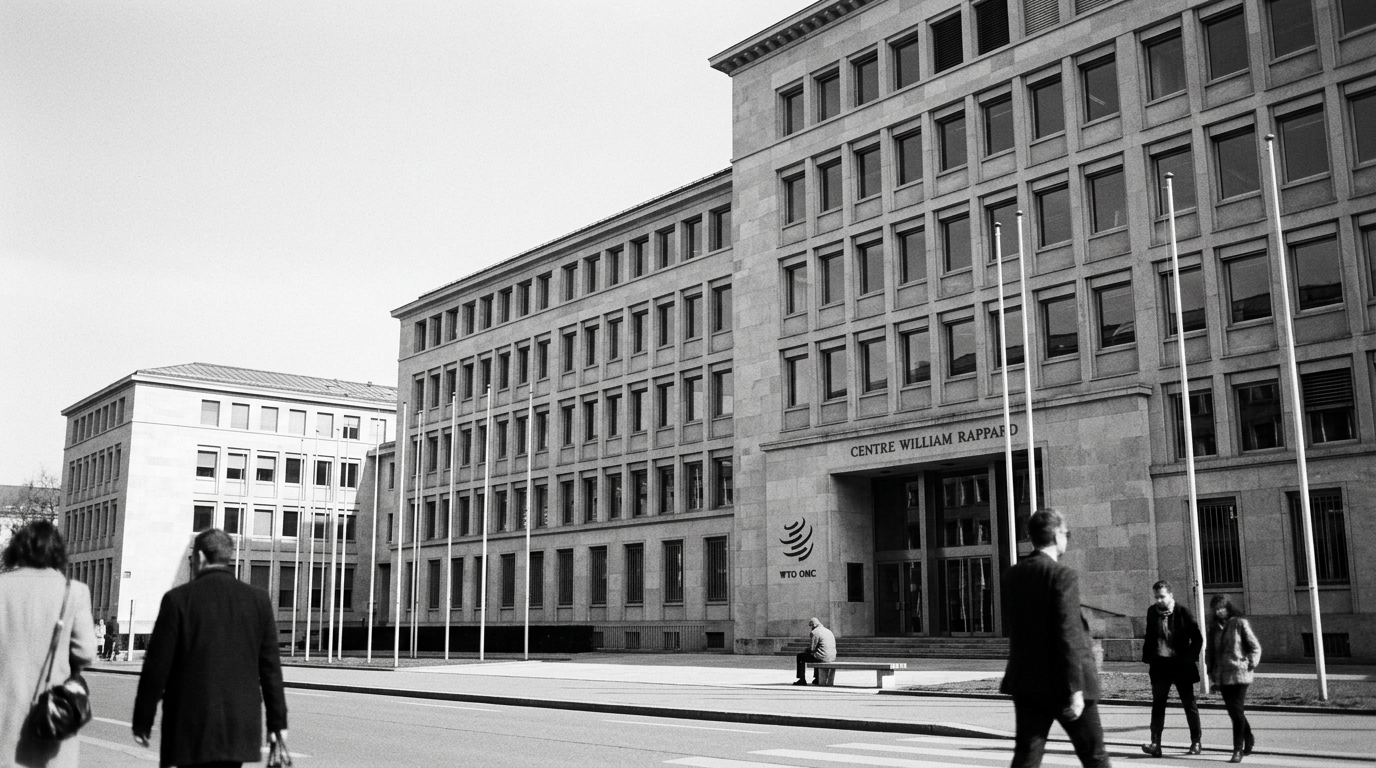
China has formally requested to participate in World Trade Organization consultations initiated by Brazil over United States tariffs cited as reaching 37.5 percent. Chinese officials said Beijing has a “substantial commercial interest” in the dispute and wants to take part in the WTO process at its consultations stage.
The request would bring China into the first formal step of the WTO dispute pathway, where members meet to clarify claims and explore a resolution within the WTO framework before any further escalation. Officials said China’s interest is linked to its commercial exposure in the US market and to how the contested measures may affect competition beyond the initiating parties.
WTO consultations draw in a new participant
While Brazil is the member that opened the Brazil launched the consultations targeting US tariffs described as reaching 37.5 percent, and China said those duties can alter competitive conditions for Chinese goods in the American market. While Brazil is the member that opened the consultations, Chinese officials argued that the tariff measures can reshape broader competitive dynamics in the United States. China’s submission presented the move as an effort to address the issue through established WTO channels. Officials framed the request as participation in an institutional process designed to manage trade frictions through consultation rather than through unilateral countermeasures. Beijing warns of spillover to Chinese exports Chinese officials tied their request to the possibility that a similar tariff approach could be extended to Chinese exports to the United States. In Beijing’s account, the policy tool behind the disputed tariffs could be used again, creating risks for other exporters beyond Brazil.
Officials said this possibility helps explain why China views the dispute as more than a bilateral issue. They described the tariffs as measures that can affect how products compete in the US market even when another WTO member is the primary complainant.
Section 301 cited as the legal basis under dispute China reiterated its objections to Section 301 of the US Trade Act of 1974 as a basis for imposing unilateral trade penalties. Beijing argues that Section 301 enables the United States to apply measures without multilateral authorization, which it says conflicts with established international trade governance frameworks.
Officials also indicated that additional participants in consultations can widen the range of arguments raised at this stage. At the same time, they acknowledged uncertainty over how the process will develop, including whether the dispute remains focused on the specific tariffs cited by Brazil or broadens through additional legal claims and participants.
Parallel economic updates
Separately from the WTO case, international economic projections continue to be revised. The IMF cited real GDP growth for the USA in 2026 at 2.1%, up from a previous 2.0% figure.