China and Egypt Boost Currency Swap Deal to $4.47 Billion
China and Egypt have renewed and expanded their currency swap agreement to 30 billion yuan (US$4.47 billion), aiming to boost bilateral trade and reduce reliance on the US dollar.
Atlas Newsdesk ·
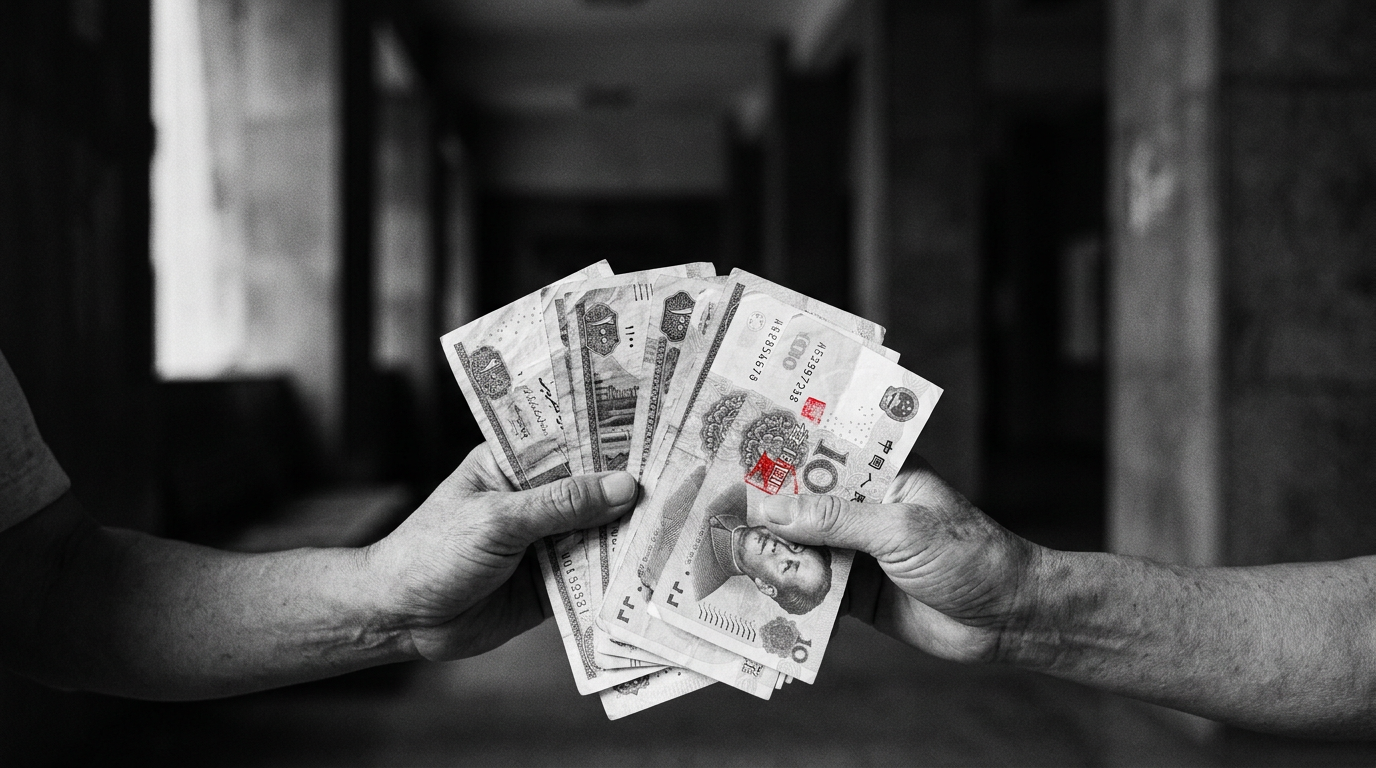
The central banks of China and Egypt have officially renewed and significantly expanded their bilateral currency swap agreement. This financial arrangement, designed to facilitate trade and investment flows between the two nations, now stands at 30 billion yuan, equivalent to approximately US$4.47 billion. The extended term for this facility is three years, marking a notable increase from the previous limit of 18 billion yuan.
This enlarged currency swap specifically targets the increased use of the Chinese renminbi in commercial transactions and investment projects. A key objective is to provide financial support for various Chinese-funded initiatives within Egypt, particularly those in the industrial, energy, and digital infrastructure sectors. This move is anticipated to streamline financial operations for these ventures and foster deeper economic integration.
Strategic Economic Alignment
The expansion of this swap agreement aligns with Egypt's broader strategic goals to establish itself as a prominent regional logistics hub. It also reflects Cairo's efforts to integrate its economy more closely with the BRICS bloc, an intergovernmental organization comprising Brazil, Russia, India, China, and South Africa, with Egypt being a new member. Such agreements provide alternative financial channels outside traditional Western-dominated systems.
For both nations, the currency swap offers a mechanism to potentially lessen their dependence on the US dollar for bilateral trade and investment settlements. By allowing direct exchange between the Chinese yuan and the Egyptian pound, the agreement can reduce foreign exchange risks and transaction costs associated with converting through a third currency.
Implementation and Market Dynamics
While the agreement lays the groundwork for enhanced financial cooperation, its practical impact will largely depend on the adoption rates by commercial entities and the private sector in both countries. Businesses will need to increasingly use the renminbi for trade invoicing and settlements to fully leverage the benefits of the expanded swap line. This requires a shift in established financial practices and greater comfort with yuan-denominated transactions.
Analysts suggest that the long-term effectiveness of this strategic currency push will be influenced by the specific terms and conditions governing future industrial investments from China into Egypt. Furthermore, the sustained demand for yuan-denominated liquidity within the Egyptian market will be crucial for the swap's ultimate success in reshaping bilateral financial flows.
Broader Implications for De-Dollarization
This bilateral currency swap represents a continuing trend among emerging economies to diversify their foreign reserves and trade settlement currencies. For China, it supports the internationalization of the renminbi, expanding its global usage beyond its borders.
For Egypt, it offers financial flexibility and an alternative source of liquidity, particularly in an environment of global economic volatility and shifting geopolitical alignments. The successful implementation and utilization of such agreements could pave the way for similar arrangements with other trading partners, further diversifying Egypt's economic ties.