Chevron to Invest $7 Billion in Venezuelan Oil Expansion
Chevron plans to invest $7 billion over five years to boost Venezuelan oil production, targeting 600,000 bpd in the Orinoco Belt, facilitated by U.S.
Atlas Newsdesk ·
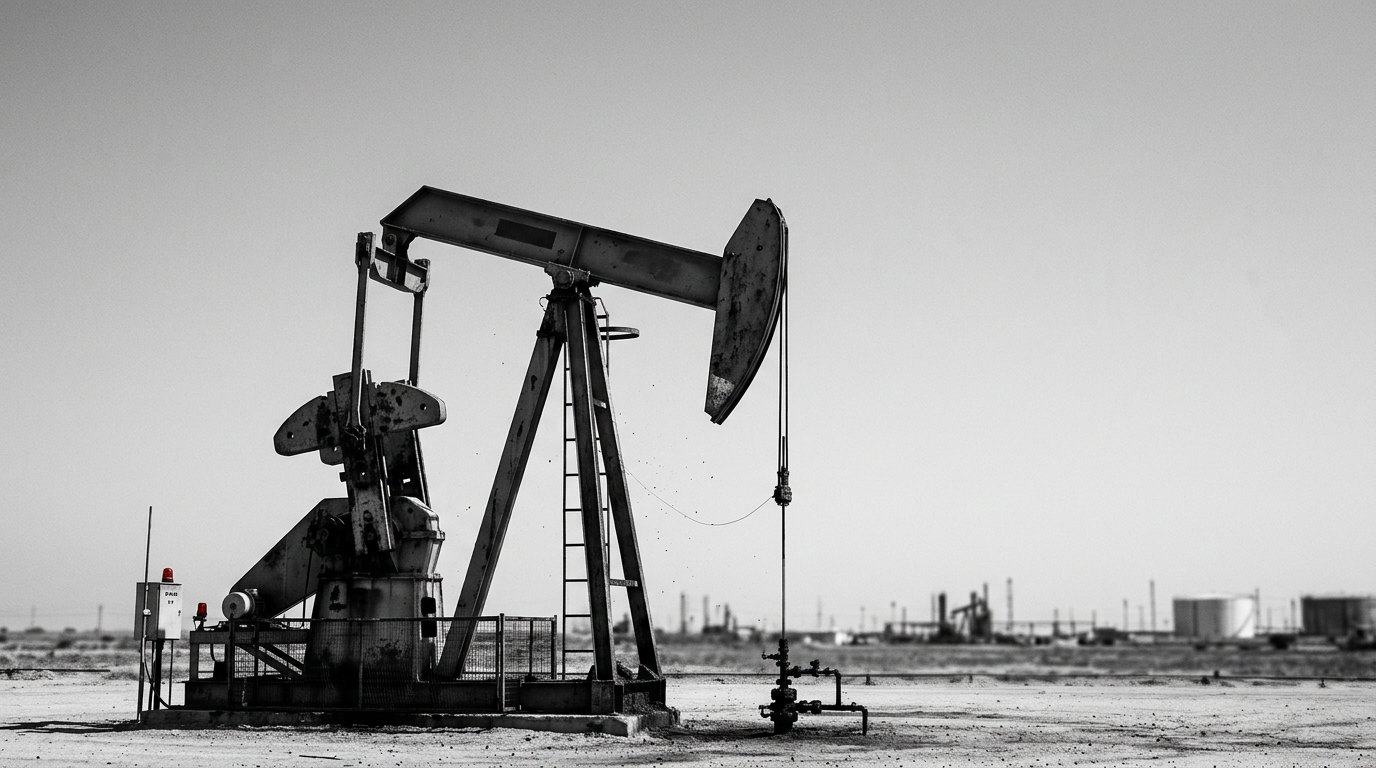
Chevron announced a significant investment commitment of $7 billion into its Venezuelan oil operations, slated for execution over the next five years. This capital injection is projected to elevate the company's crude oil production capacity within the Orinoco Belt to approximately 600,000 barrels per day. The initiative follows a broader bilateral agreement, which reports indicate was supported by the United States government, aimed at enhancing Venezuela's energy reserves and output.
The strategic expansion includes assigning additional acreage to Chevron's existing joint ventures located in the region. These partnerships, involving entities such as Petroindependencia, Petropiar, and Petroboscan, primarily focus on the extraction and processing of extra-heavy crude oil. This renewed commitment signifies a substantial increase in Chevron's capital expenditure within the South American nation, pending revised operational terms and conditions.
Orinoco Belt Development Focus
The Orinoco Belt, recognized globally for possessing some of the largest proven oil reserves, forms the core of Chevron's expansion strategy. The company's activities in this area are critical for accessing and developing these extensive natural resources. New funding will be directed toward improving essential infrastructure and increasing the overall efficiency of crude oil recovery efforts. This focus on modernization is crucial given the technical challenges inherent in extracting extra-heavy crude.
While the agreement provides access to vast reserves, industry analysts have pointed to persistent technical challenges. Modernizing existing facilities and implementing advanced extraction techniques specifically for extra-heavy crude oil present notable hurdles. Furthermore, the long-term stability of Venezuela's infrastructure and the evolving political framework governing the new arrangements introduce institutional risks that will require careful management by all stakeholders involved.
Strategic U.S. Engagement and Geopolitics
The involvement of the U.S. Department of Energy in facilitating this bilateral agreement underscores the strategic importance of Venezuela's oil production to both regional and global energy supply chains. For the United States, securing energy resources and promoting stability in a key Latin American nation carries considerable geopolitical weight, directly influencing broader energy security objectives.
This investment arrives amidst a complex political and economic environment within Venezuela. International sanctions and internal systemic challenges have historically impacted the country's oil industry, leading to significant declines in output from its peak levels. Chevron's renewed commitment could signal a potential shift in the operational landscape, aiming to leverage Venezuela's vast reserves under more favorable, albeit still intricate, conditions. Sustained operational improvements and the ability to navigate potential future political or economic shifts within Venezuela and the broader international arena will be paramount for the project's success.
Future Production Outlook and Global Impact
The targeted production increase to 600,000 barrels per day represents a considerable boost to Venezuela's overall oil output, which has seen substantial declines in recent decades due to underinvestment and sanctions. This expansion could contribute to stabilizing global oil markets by diversifying supply sources, particularly during periods of geopolitical volatility. The success of this venture is contingent on sustained operational improvements, a stable regulatory environment, and the ability to manage inherent geopolitical risks effectively.