Charlotte Schools Close Amid Severe Weather Threat
Charlotte-area schools closed on March 16, 2026, due to severe weather forecasts, including 60 mph winds and potential tornadoes.
Ayla Demirhan ·
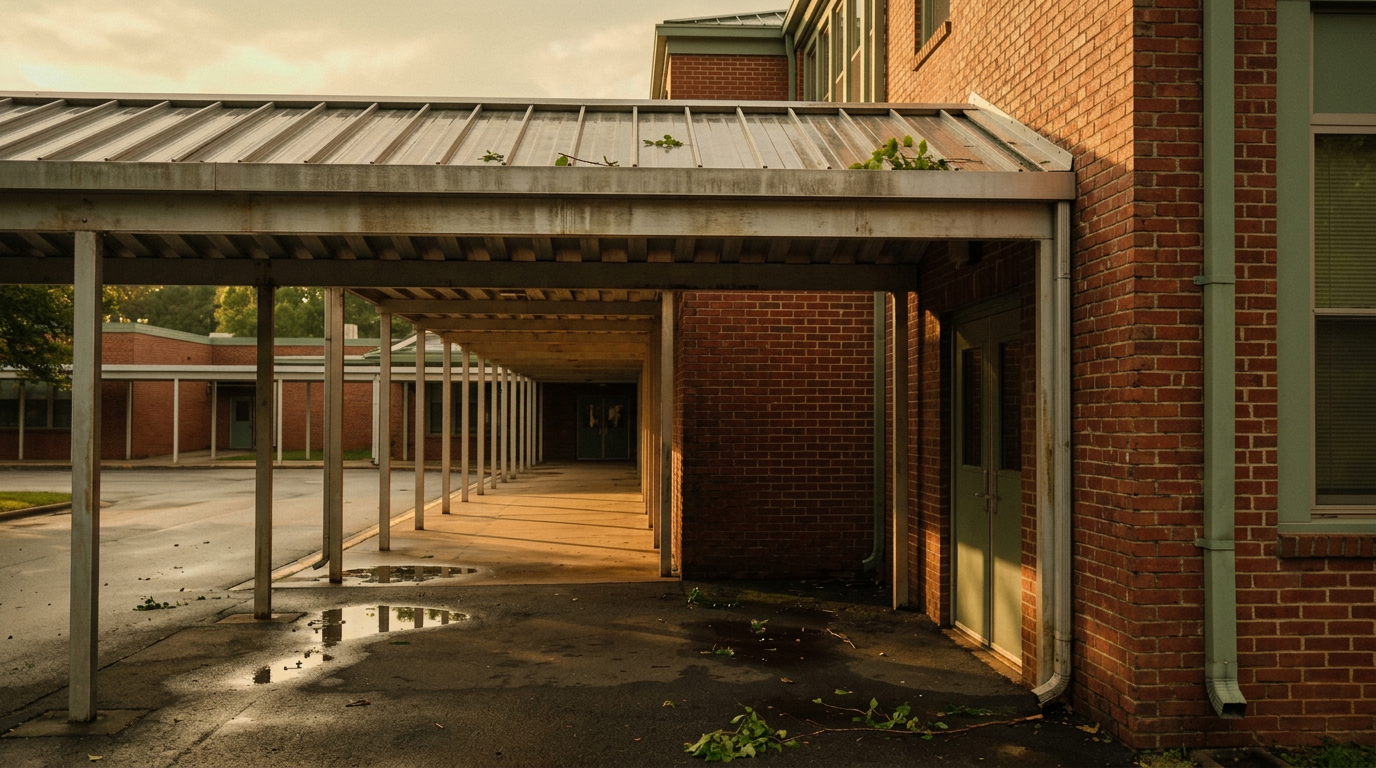
School districts across the Charlotte metropolitan area, spanning both North and South Carolina, implemented closures and schedule modifications on Monday, March 16, 2026. These preemptive measures were taken in response to forecasts indicating a significant threat of severe thunderstorms, high winds, and potential isolated tornadoes throughout the Carolinas.
The National Weather Service had issued warnings for the region, anticipating wind gusts reaching up to 60 miles per hour. Such conditions typically elevate the risk of downed trees and widespread power outages, posing safety concerns for students and staff traveling to and from educational institutions.
Regional Impact and Timing
The severe weather system initiated with scattered showers on Sunday evening, gradually intensifying into more widespread and intense storm activity. By 8:00 AM on Monday, the western-central parts of North Carolina began experiencing waves of showers and thunderstorms, which were projected to advance eastward across the state throughout the day.
Forecasters indicated that the primary threat of severe weather for the immediate Charlotte area was expected to persist through the early to mid-afternoon hours. This timeline directly influenced the decision-making process for school administrators, prioritizing student and faculty safety during peak storm activity.
Post-Storm Conditions and Outlook
Following the passage of the severe weather front, a notable shift in atmospheric conditions was anticipated. Temperatures were forecast to decline significantly, with some higher elevation areas potentially experiencing brief periods of snowfall. This colder air mass was expected to be temporary, with a return to more typical spring-like temperatures projected for later in the week.
The decision by multiple school districts to close or alter schedules underscores the proactive approach taken by local authorities in managing public safety during extreme weather events. Such closures are a common response in regions prone to severe weather, aiming to mitigate risks associated with hazardous travel and potential infrastructure damage.
Broader Context of Weather Preparedness
Educational institutions frequently adjust operations based on meteorological advisories to ensure the well-being of their communities. This incident highlights the ongoing need for robust emergency preparedness plans within school systems, particularly in areas susceptible to dynamic weather patterns. The coordination between weather services, local government, and school districts is crucial for timely and effective responses to environmental threats.
Similar weather-related disruptions have occurred in the past, prompting school closures for various reasons, including snow, ice, and hurricanes. The current event serves as a reminder of the unpredictable nature of regional weather and the importance of public safety protocols.
Implications
Country Impact: The incident reflects broader regional preparedness strategies for severe weather across the southeastern United States, impacting daily life and local economies through temporary disruptions.
Industry Impact: Educational institutions and transportation sectors are directly affected by such weather events, necessitating flexible operational plans and communication protocols to manage closures and ensure safety.
Market Impact: While localized, severe weather events can cause short-term disruptions to local commerce and supply chains, potentially impacting regional economic activity and consumer behavior for a brief period.