Danube Heatwave Paralyzes Nuclear Energy and River Commerce
Record heat in Central Europe cut nuclear generation, lowered Danube shipping capacity, and triggered maximum heat alerts across 27 Italian cities this week.
Atlas Newsdesk ·
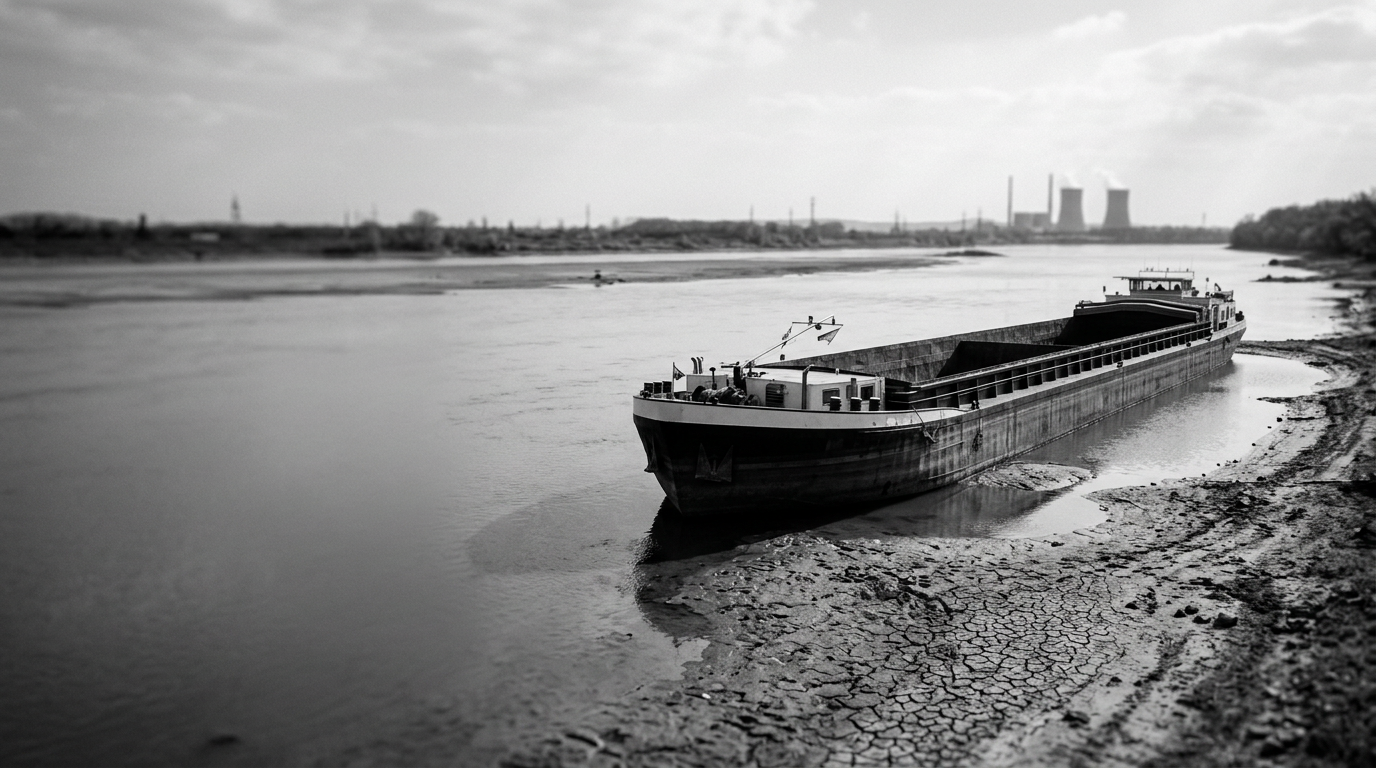
Central Europe recorded historic temperatures this week as an intense heatwave disrupted electricity generation and logistics that depend on major rivers, officials and operators said. Meteorological agencies reported new highs on Thursday, including 42.2 degrees Celsius in Slovakia and 41.2 degrees Celsius in Austria, while extreme conditions persisted across the region.
Officials and operators said the episode is testing infrastructure built for milder norms. The most immediate stress has been felt in power generation and freight transport, where operational stability depends on river levels and water temperatures.
Energy output cut as cooling constraints tighten Energy operations in several countries were scaled back Energy operations in several countries were scaled back as the heatwave coincided with record-low water levels on the Danube River. Operators said river water is a key input for cooling systems at some plants, and reduced availability can limit how much electricity facilities can safely produce. In Hungary, the country’s primary nuclear power plant was operating at only 10 percent capacity. In Slovakia, a nuclear facility was reported to be running at 80 percent after output was reduced under the same broader conditions. Officials said the curbs show how prolonged hot weather can translate into practical limits for power reliability when environmental conditions constrain operations. Utilities and grid managers are also monitoring demand patterns, as electricity use typically rises during heat due to cooling needs.
Danube disruption forces freight onto roads
Central Europe
The low water conditions affecting cooling systems have also disrupted inland shipping. The Danube is a major transport corridor in the region, and reduced levels can require vessels to carry lighter loads or halt some river traffic altogether, operators said.
In Germany, low water levels pushed freight away from river shipping toward road transport, according to the information provided. Operators said the shift can strain supply chains because road capacity and scheduling differ from inland shipping, potentially increasing costs and creating delays.
The disruption has contributed to higher commodity prices, reflecting the knock-on effect of transport constraints on goods moving through the regional economy. Businesses that rely on predictable delivery schedules have faced added planning pressure at a time when heat is already affecting operations.
Italy issues maximum heat alerts as deaths reported In Italy, public health authorities placed 27 major cities under maximum heat alerts during the week. Officials cited at least four heat-related fatalities as dangerous conditions persisted.
Authorities use these alert systems to reduce exposure among vulnerable groups and to manage pressure on emergency services. The health warnings added to the broader picture of heat-driven disruption across Europe, extending beyond infrastructure impacts.
Scientists cite faster warming in Europe; outlook uncertain Climate scientists said Europe is warming at twice the global average rate, highlighting a structural challenge for infrastructure and public services during extreme heat. They said the current episode, marked by energy curbs, transport disruption, and public health alerts, underscores limitations that could pose long-term challenges for regional stability.
Officials and operators said the duration and intensity of future heatwaves remain uncertain. As the heat persists, they are watching Danube water levels, temperatures, and how infrastructure performs under sustained stress.