Morocco Awarded AFCON Title After Senegal Forfeiture
Morocco was awarded the AFCON title by CAF after Senegal forfeited the final match due to a rule violation, sparking controversy.
Mehmet Şahinoğlu ·
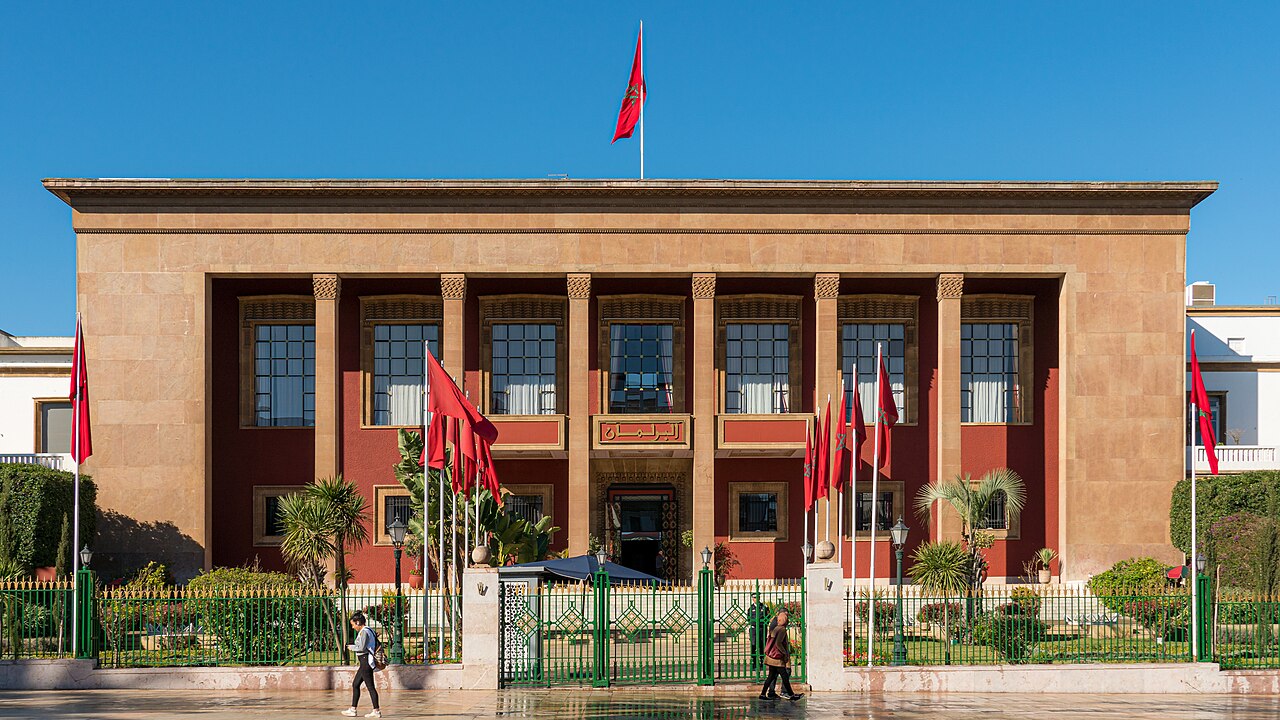
The Confederation of African Football (CAF) officially awarded the Africa Cup of Nations (AFCON) title to Morocco on Tuesday, two months after the final match. This decision followed a ruling that Senegal had forfeited the game, despite initially winning the match 1-0 against the host nation in Rabat.
CAF determined that Senegal's team violated tournament regulations by leaving the field of play in protest of a refereeing decision during the final. Although the match eventually resumed and Senegal secured a victory, the governing body cited the walkout as sufficient grounds for forfeiture, thereby transferring the championship to Morocco.
Decision Sparks Controversy
The announcement led to widespread celebrations across Morocco, with supporters gathering in cities such as Tangier to mark the unexpected championship win. Conversely, the ruling provoked significant anger and disbelief within Senegal, where the initial victory had been celebrated.
Senegal Plans Appeal
The Senegalese government has publicly stated its intention to appeal CAF's decision. Furthermore, it has called for an independent international investigation into allegations of corruption within CAF's leadership. Senegal argues that the ruling compromises the integrity and credibility of the continental football organization.
Background of the Final Match
The contentious final match took place in Rabat, Morocco. During the game, a refereeing decision prompted the Senegalese team to stage a walkout. While the match ultimately concluded with Senegal as the apparent winner, the subsequent review by CAF focused on the procedural breach caused by the team's temporary departure from the field.
Implications for African Football Governance
This ruling highlights ongoing challenges in sports governance within African football. The dispute between a national federation and the continental body, coupled with calls for external investigation, could set a precedent for future disciplinary actions and appeals processes. The credibility of CAF's decision-making is now under scrutiny, particularly concerning the application of tournament rules and the handling of protests during high-stakes matches.
Future of CAF Leadership
The allegations of corruption and the demand for an independent inquiry from a member nation could lead to increased pressure on CAF's leadership. Such developments often prompt calls for greater transparency and reforms within sports organizations. The outcome of Senegal's appeal and any potential investigation will be closely watched by football federations across the continent and international sports bodies.
Implications
Country Impact: Morocco experiences national celebrations following the unexpected title award, while Senegal faces national disappointment and political fallout, leading to calls for an international investigation into CAF. This could strain diplomatic relations between the two nations.
Industry Impact: The decision impacts the reputation and governance of African football, potentially leading to increased scrutiny of CAF's disciplinary processes and financial transparency. It may also influence future hosting bids and tournament regulations.
Market Impact: While direct financial market impact is limited, the controversy could affect sponsorship deals and media rights for future CAF events if governance concerns persist. Investor confidence in regional sports organizations might be marginally affected by perceived instability.