CDC Halts Key Disease Testing Amid Staffing Crisis
CDC pauses infectious disease testing from Monday after staffing fell 20% to 25% in a year, affecting over two dozen diagnostics.
Ayla Demirhan ·
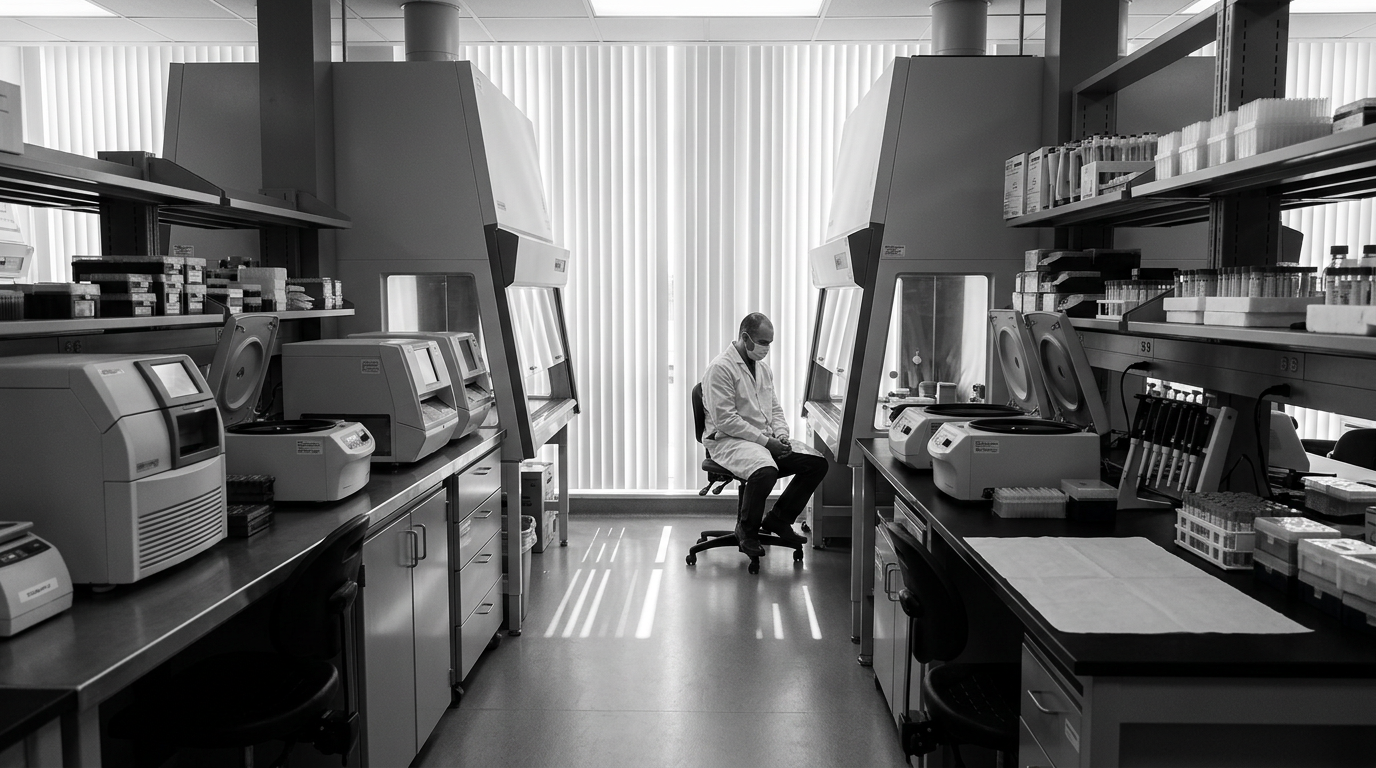
The U.S. Centers for Disease Control and Prevention (CDC) has temporarily stopped diagnostic testing for more than two dozen infectious diseases, a move that took effect Monday. The suspended work includes testing tied to conditions such as rabies and human herpesvirus, according to the details provided in the agency’s internal review.
The pause is linked to major staffing gaps at the federal public health agency. The CDC typically provides specialized laboratory support to state and local public health labs when they do not have the tools or expertise to run certain tests on their own. With fewer staff available, the agency has moved to suspend parts of its diagnostic portfolio rather than continue operating at prior levels.
The staffing strain was identified through an internal evaluation of CDC testing programs that began in late 2024. Estimates cited in the review indicate the CDC’s total staffing fell by about 20% to 25% over the past year. The reduction was attributed to layoffs, retirements, resignations, and the end of temporary roles.
Some of the steepest losses were reported in specific units that handle high-consequence or specialized pathogens. The poxvirus and rabies units have each lost roughly half of their staff, while the malaria division faced even deeper cuts. As a result, the rabies team is expected to have only one expert available for clinical guidance by July, and the poxvirus team is expected to have none.
The suspended testing spans a mix of pathogens. Some tests are available through commercial channels, including those for Epstein-Barr virus and varicella zoster virus. Others relate to less common threats, including certain parasitic worms and the virus associated with “sloth fever,” where alternative testing capacity may be more limited.
Officials have not yet commented on how the suspensions could affect public health monitoring. The CDC’s role in supporting state and local laboratories means changes to its testing availability can influence how quickly unusual infections are confirmed and how consistently data is gathered across jurisdictions, particularly for pathogens that require specialized methods.
For markets and policymakers, the development highlights operational constraints inside a key U.S. public health institution. The CDC’s diagnostic capacity can be relevant to healthcare providers, public health agencies, and companies involved in laboratory services, especially when demand shifts toward commercial testing options for certain diseases. The agency has not provided a timeline for when the paused testing could resume.