Canada trade talks collapse as 50% U.S. tariffs start today
U.S.-Canada trade talks failed before a Saturday deadline, leaving 50% tariffs on about $20 billion of Canadian goods and prompting retaliation plans.
Atlas Newsdesk ·
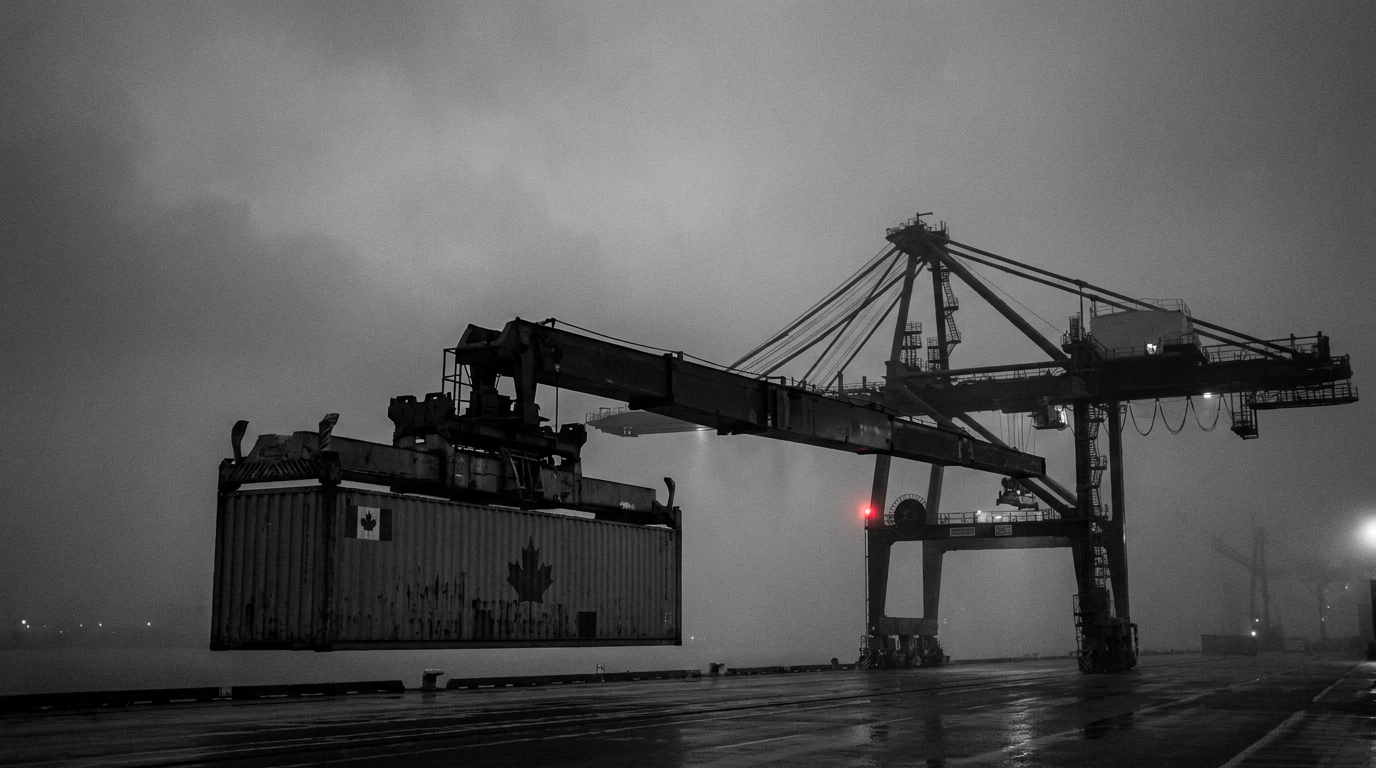
Tariffs on Canadian goods took effect after U.S.-Canada trade talks failed, exposing about $20 billion of exports to a 50% levy.
A midnight deadline slips
Officials from both countries said negotiations broke down Friday night, after President Trump extended a Wednesday deadline and indicated an agreement may be near. At 12:01 a.m. Saturday, U.S. duties applied to roughly 5% of Canada’s exports to the U.S. market, according to officials’ descriptions of the package.
U.S. Trade Representative Jamieson Greer told reporters the talks had failed despite what he described as the administration’s willingness to give Canada the “best treatment” among major U.S. trading partners. The comments marked a shift from earlier signals that negotiators were close to settling the dispute.
Canadian Prime Minister Mark Carney gave a different account of the breakdown. Carney said last-minute U.S. revisions “were unfair, uneconomic, and called into question the reliability of any deal,” and said Ottawa would prepare dollar-for-dollar tariffs on U.S. goods.
Alcohol, dairy and vehicles
The Trump administration first threatened the latest tariffs last month, citing Canada’s provincial bans on American alcohol, protections for domestic dairy producers and restrictions affecting some U.S. vehicles. Those complaints put consumer products, agriculture and autos at the center of the negotiating fight.
Several Canadian trade actions followed earlier levies imposed by President Trump, including sector duties of up to 50% on automobiles, steel, aluminum and forest products. Most Canadian exports had avoided those duties when they complied with the U.S.-Mexico-Canada Agreement, but officials said Saturday’s tariff round did not include that exemption.
A 5% export slice
The coverage is narrow compared with a full border tax, but the 50% rate raises the cost shock for the products caught in the order. The first direct pressure falls on Canadian exporters, U.S. importers and companies with contracts priced before the tariff deadline.
The pass-through depends on whether importers absorb the levy, renegotiate contracts or increase prices for customers. Vehicles, alcohol, dairy-linked goods and forest products face different exposure, but all rely on cross-border supply channels that can be disrupted by sudden tariff changes.
Three tariff paths
If the two governments reopen talks and restore an exemption for U.S.-Mexico-Canada Agreement-compliant goods, the macro effect would likely remain concentrated in the targeted trade lanes. Canadian exporters would regain a clearer route into the U.S. market, while affected industries would return to rules-based compliance rather than emergency pricing.
If the 50% duties remain in place, the main mechanism is margin pressure: a Canadian producer selling into the U.S. must cut prices, lose volume or ask customers to pay more. If Canada’s promised retaliation broadens the dispute, the macro risk shifts from a tariff on a limited export slice to a wider North American trade conflict, with manufacturers and retailers exposed to higher input costs and delayed shipments.